
Entering the Field: Learning to See Remote Work in Esenyurt
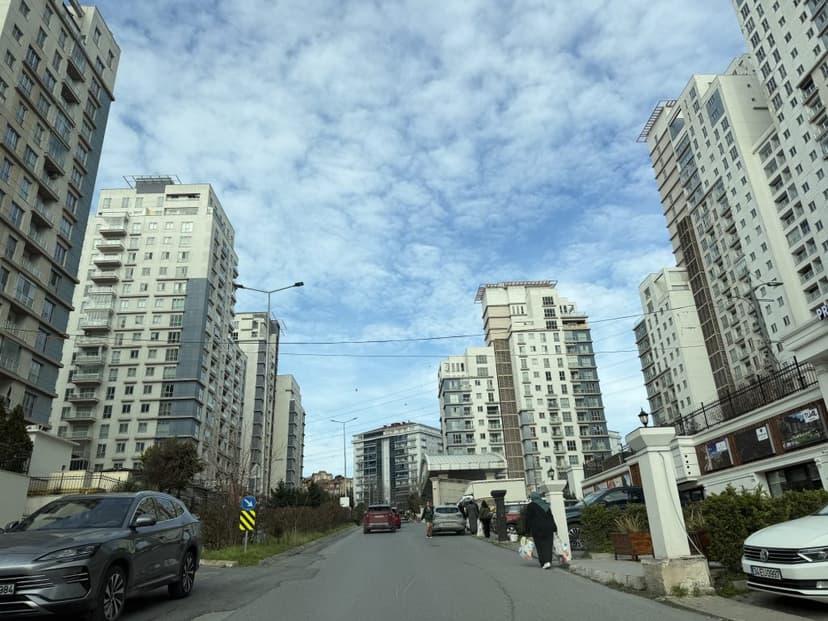
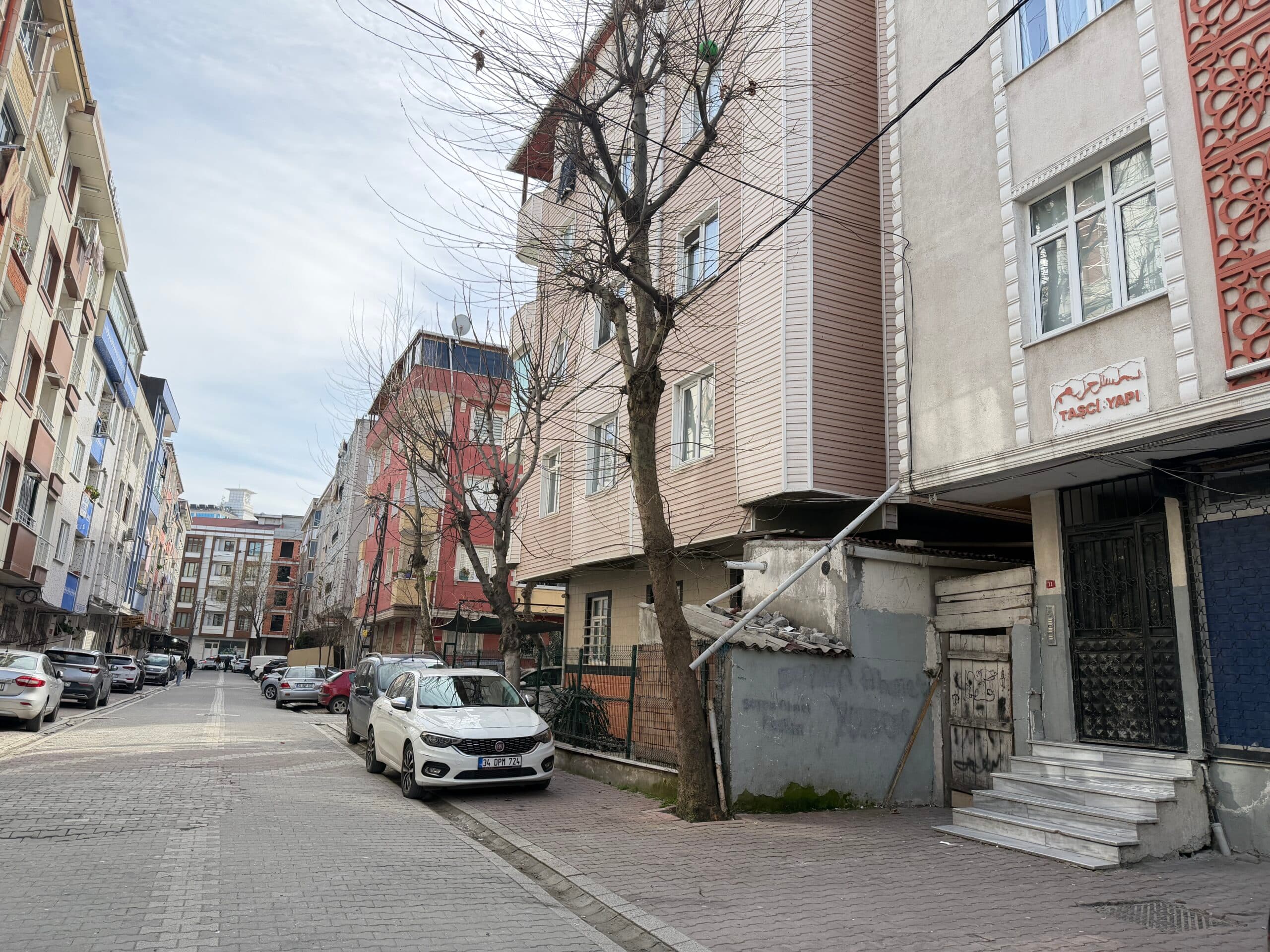
As part of my fieldwork, I spent a day touring neighbourhoods with Esenyurt's former mayor, who had been removed from office for political reasons. From morning until evening, we moved through the district together.
We drank tea with voters, talked to shopkeepers, and went to two funerals for the former mayor to offer condolences. He introduced me to local residents and encouraged me to introduce myself in Kurdish, as we were visiting predominantly Kurdish neighbourhoods.
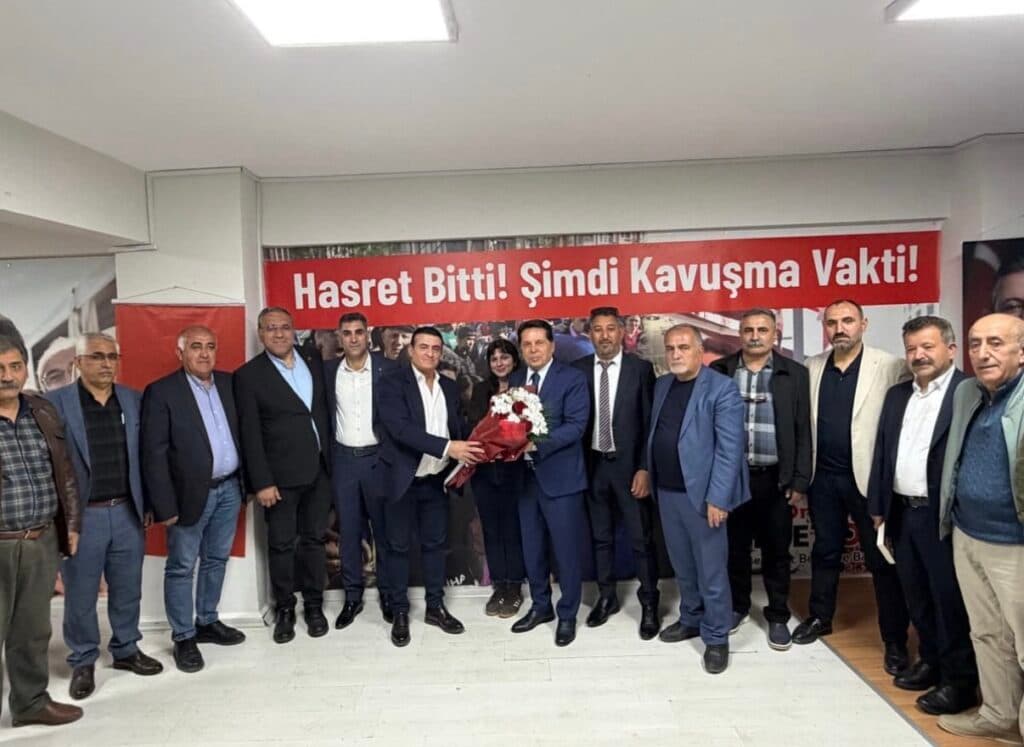
I was meeting people, accepting invitations, and getting to know Esenyurt through the people who lived there. But it took four months to get to that point.
When I first arrived in Esenyurt, I tried the standard methodological approaches. I started reaching out to people through LinkedIn. Some important meetings came from there. I visited the local muhtar (the office of the elected neighbourhood head), introduced myself, and explained my research. I wrote to neighbourhood WhatsApp groups; there are dozens of them in Esenyurt, each with its own dynamic, its own unwritten rules.
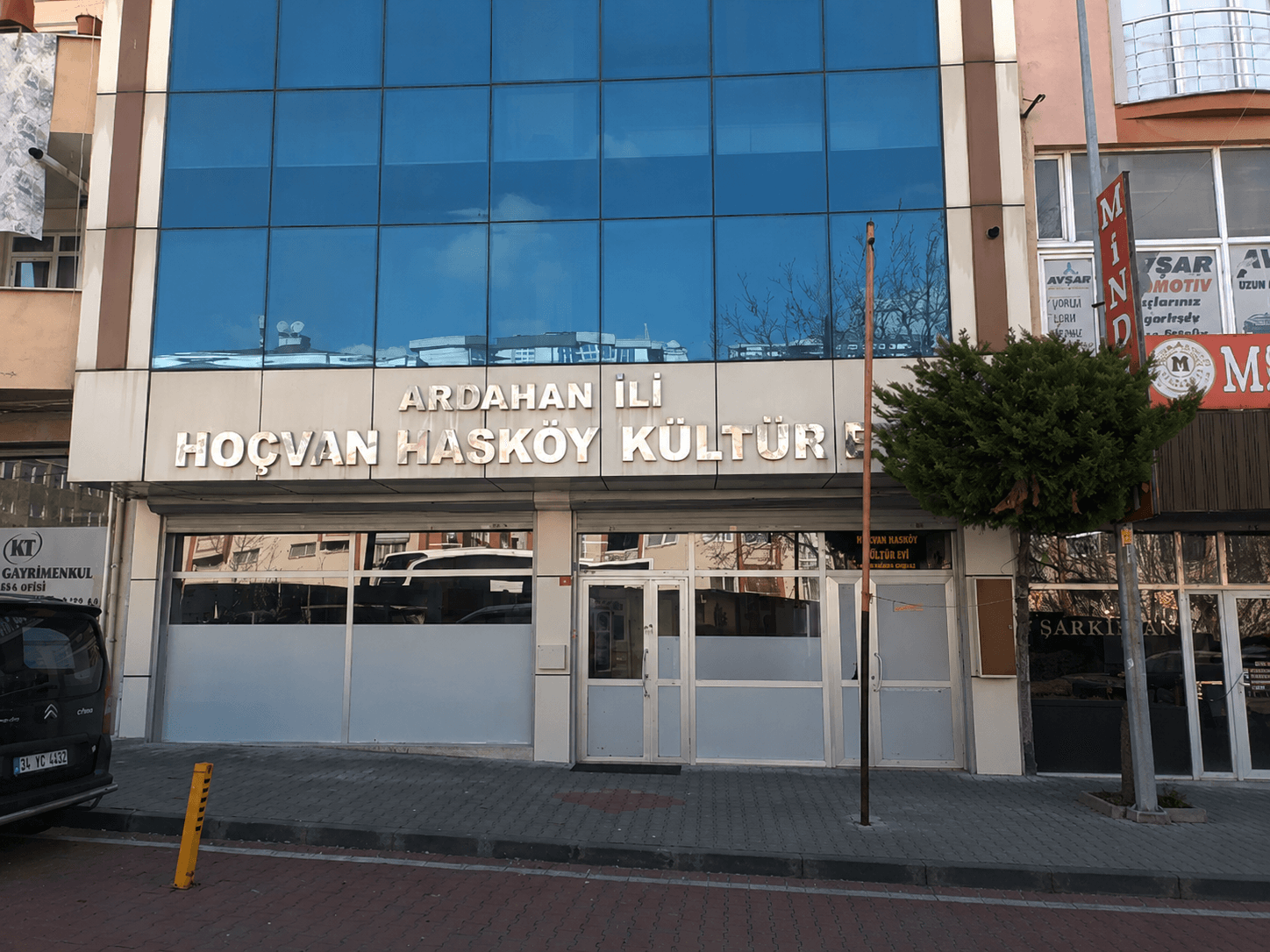
I also visited local hometown associations, such as the Ardahan Cultural Centre, where people gather around a shared past. I walked in, introduced myself, explained what I was doing and why. I talked about where I was from. In a neighbourhood shaped by migration, where you are from often tells people how to place you.
Getting to know people in Esenyurt never happens in a straight line. One person introduces you to another, and each new connection grows out of the previous one. In a place where people with different political views, ethnic backgrounds, and legal statuses live side by side, trust develops gradually. Sometimes through direct questions, sometimes through conversations that take unexpected turns, and sometimes without words at all. People notice how often you return, who you spend time with, and which streets you walk down. Over time, these observations shape how they decide whether to open up to you.
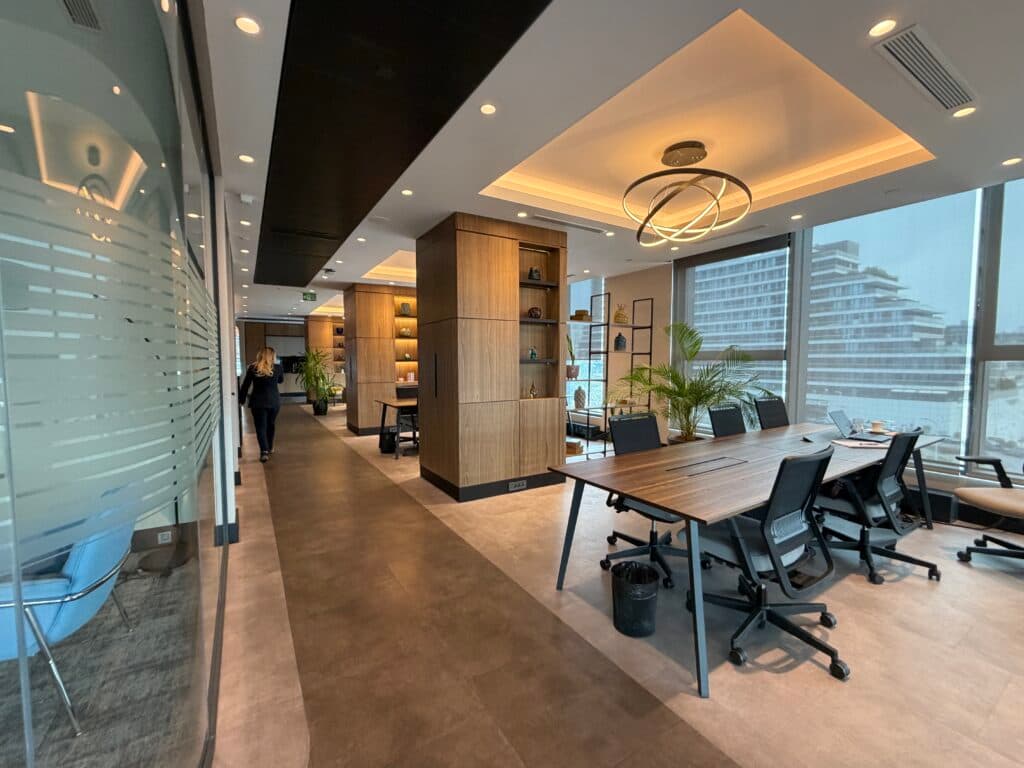
Remote work is not particularly visible in everyday life here. There is only one co-working space, mostly used by companies. You do not often find remote workers sitting in cafés with their laptops open. This meant that there was no obvious place to begin.
For me, fieldwork began with spending time in the neighbourhood. Meeting people, being introduced to others, and returning to the same places more than once. Showing up, again and again.
It's not that people are trying to hide. There is simply no obvious place where remote workers gather or become visible as remote workers. In Esenyurt, working remotely is not something that makes people stand out. One person is labelling data at the dinner table, another is moderating content in a shared bedroom, and another is working on a freelance engineering project from home.
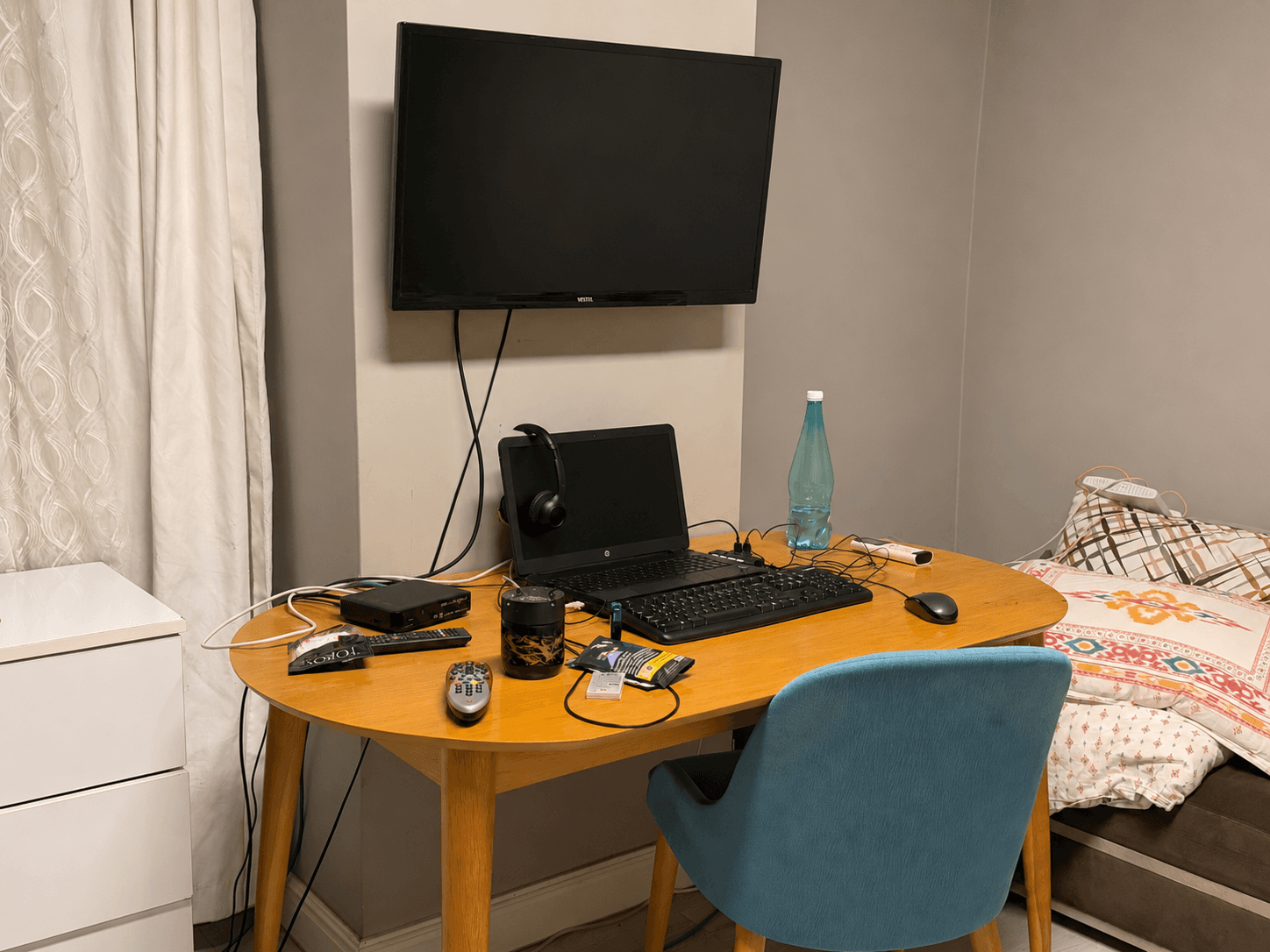
Their families do not always fully understand what they do. Neighbours often do not know. In many cases, the work remains largely invisible outside the home.
This is partly because remote work is not separate from home life. It takes place in bedrooms and around kitchen tables. It is woven into everyday routines and shared family spaces rather than organised around dedicated workplaces.
In the first blog post, I wrote that I thought remote work did not exist in Esenyurt. I was wrong. Because I was also asking the wrong question.
I came to the field looking for remote workers. What I found instead were translators, content moderators, engineers, content creators, and people doing data work for AI systems. They worked in different sectors, under different conditions, and often did not describe themselves in the same way.
Finding them was not simply a matter of identifying a category. It was a matter of learning how to recognise remote work when it appeared. Once I learned to recognise remote work, a different question emerged: where exactly does this work take place?
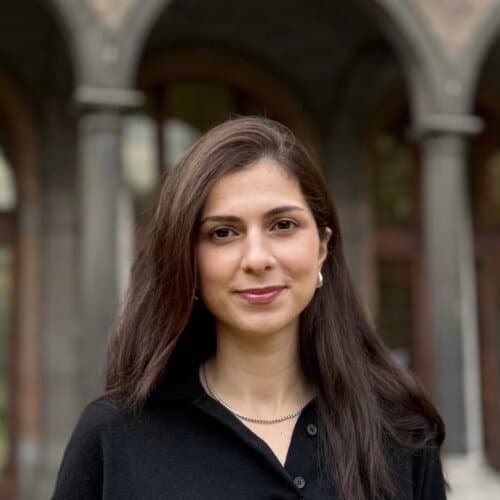
Elif Hazal Gougler (she/her) is an anthropologist and project manager from Istanbul. She studied Management of Performing Arts at Istanbul Bilgi University and later completed a joint MA program in Social Anthropology at the University of Bern and the University of Vienna. With professional experience in documentary production for international media networks and in EU research coordination at Kadıköy Municipality, her work explores mass communication and digital media, focusing on how media are created and adapted for specific communities, particularly women. In the ReWorkChange project, Elif Hazal will carry out ethnographic research in Istanbul, Türkiye.