What are the consequences of remote work and always-on-connectivity on people’s everyday lives? How do these shape social institutions such as the home, family, household and friendship, as well as broader processes of social change?

ReWorkChange aims to answer these questions by delivering a comparative ethnographic study of the societal consequences of remote work in eight different countries: Belgium, China, India, Italy, Mexico, the Netherlands, Romania, and Turkey.

Blog

Latest News & Events
06/11/2026Universidad de Cadiz
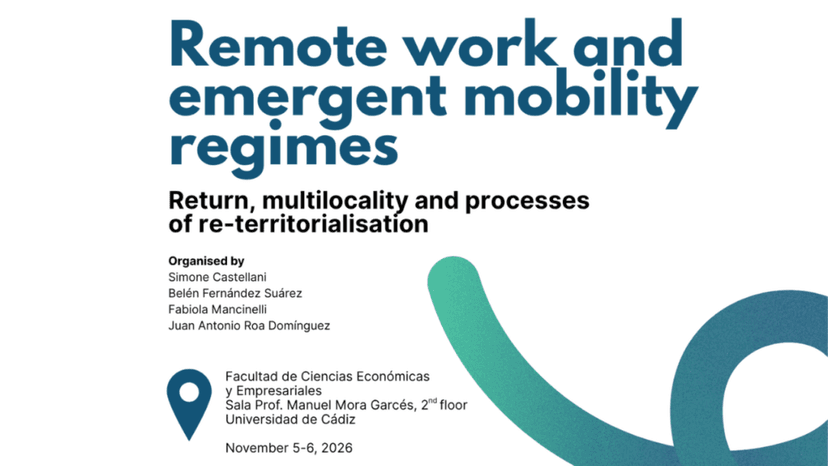
Elisabetta Costa will be speaking at the international seminar on 'Remote work and emergent mobility regimes: Return, multilocality and processes of re-territorialisation' at the University in Cadiz, Spain on 5-6 November. She will be joining, alongside Polina Palash and Zana Vathi, the session on 'Imagining the good life' with a presentation on 'The good life among young remote workers in Milan: imaginaries and practices of mobility'.
29/09/2026Online
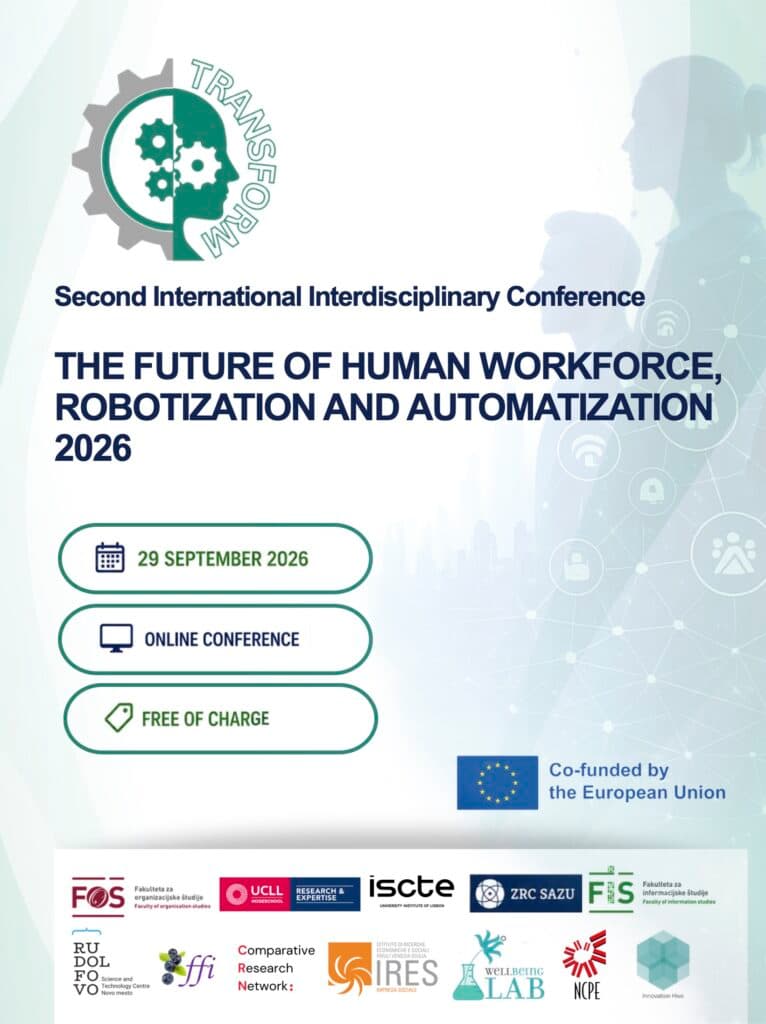
On 29 September 2026 Elisabetta Costa joined the plenary session on 'Post-societies in the EU and beyond' as a panel member, discussing what happens if technology allows us to work less—or eventually makes some forms of human labour unnecessary. This discussion was part of the online International Interdisciplinary Conference on 'The future of Human Workforce, Robotization and Automatization'.
29/09/2026Brussels
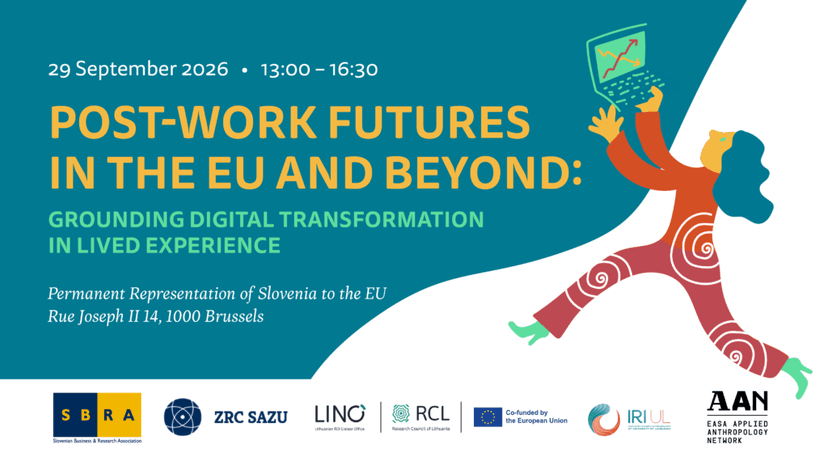
On 29 September, Elisabetta Costa presented the project during the event on 'Post-work futures in the EU and Beyond: Grounding Digital Transformation in Lived Experience" in Brussels. It brought together participants from the EU policy bubble, practising social scientists and citizens and gave insights into building people-centred support models for a changing labour market in the context of digital transformation, and witness the value of applied anthropology in shaping European policies.
21/07/2026 – 24/07/2026Poznań
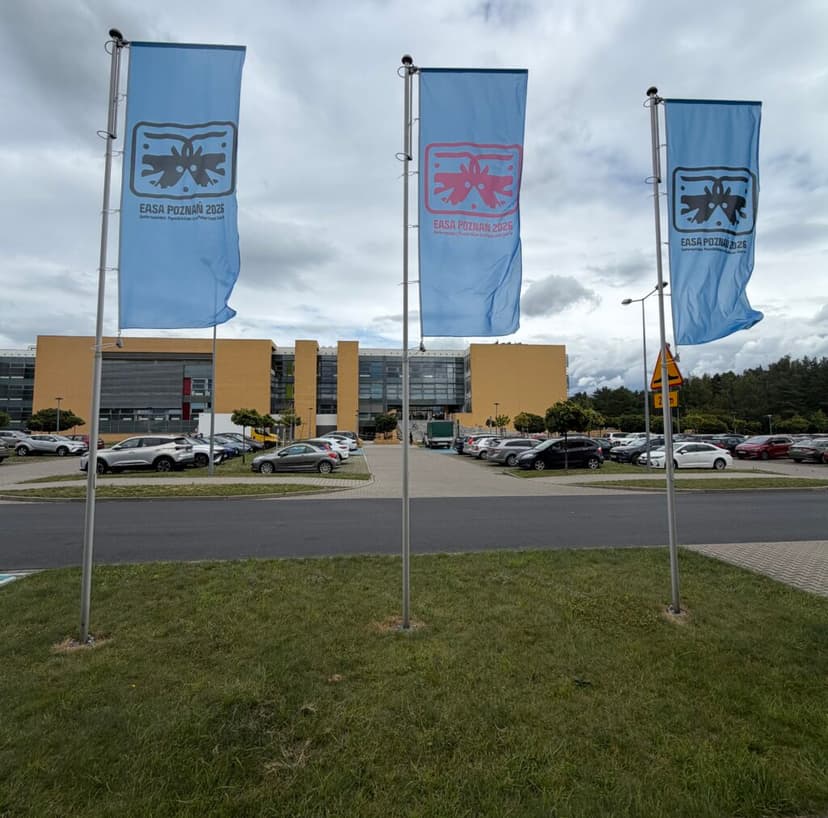
EASA 2026, held at Adam Mickiewicz University in Poznań from 21-24 July under the theme "Anthropology: Possibilities in a Polarised World", brought together 2,043 delegates across an extensive programme of panels, roundtables, laboratories, films, and plenaries.
Read more