
Mobility in an Uneven City: The Pull of the Centre and the Lack of Neighbourhood Life in Bucharest
I started this research backwards compared to my colleagues on the project: instead of choosing a residential place and moving outward, I started from the centre and moved out. That's because almost all of the city's coworking spaces and cafés are concentrated in a centre-north corridor. How could I study a neighbourhood, especially the third spaces remote workers might use there, when that kind of public space barely exists to begin with?
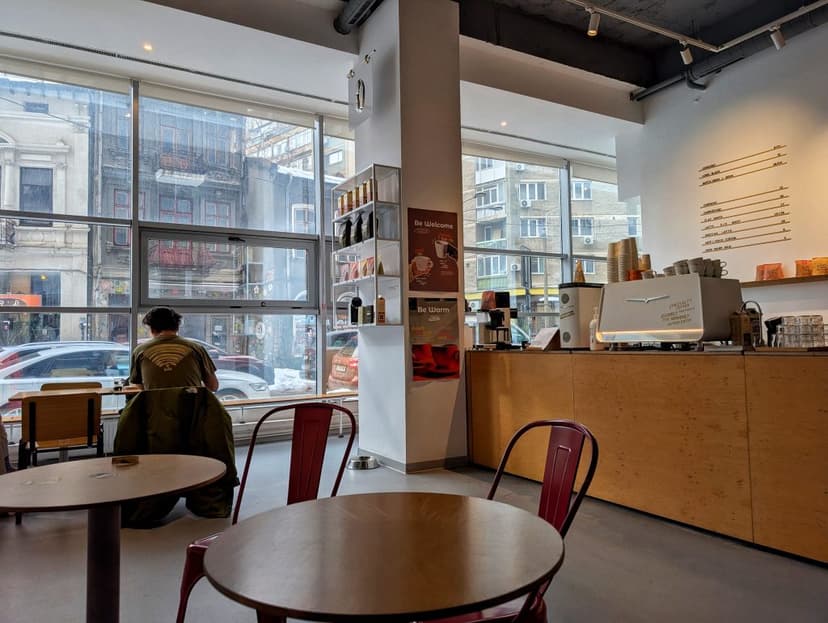
Specialty coffee arrived in Bucharest in a boom, from nothing around 2013 to more than 140 places a decade later, a denser ratio per capita than Berlin and Copenhagen (Perfect Daily Grind 2026). Coworking spaces appeared in the same areas, on a similar curve. The two sometimes have different publics and uses, but they also share one: professionals, creatives, freelancers, the city's new middle class. At a coworking industry event during Bucharest's Design Week, organisers described their spaces as sitting somewhere between office and hospitality and mentioned plans to add specialty coffee shops into their "co-working nights" next year. While many coffee shops negotiate the place of work in their spaces, those differences are worth their own post. For now, what's notable is that both are booming in the same parts of the city, infrastructure remote workers actively seek out. What matters more here is why all of this sits so unevenly across the city in the first place.
A short history
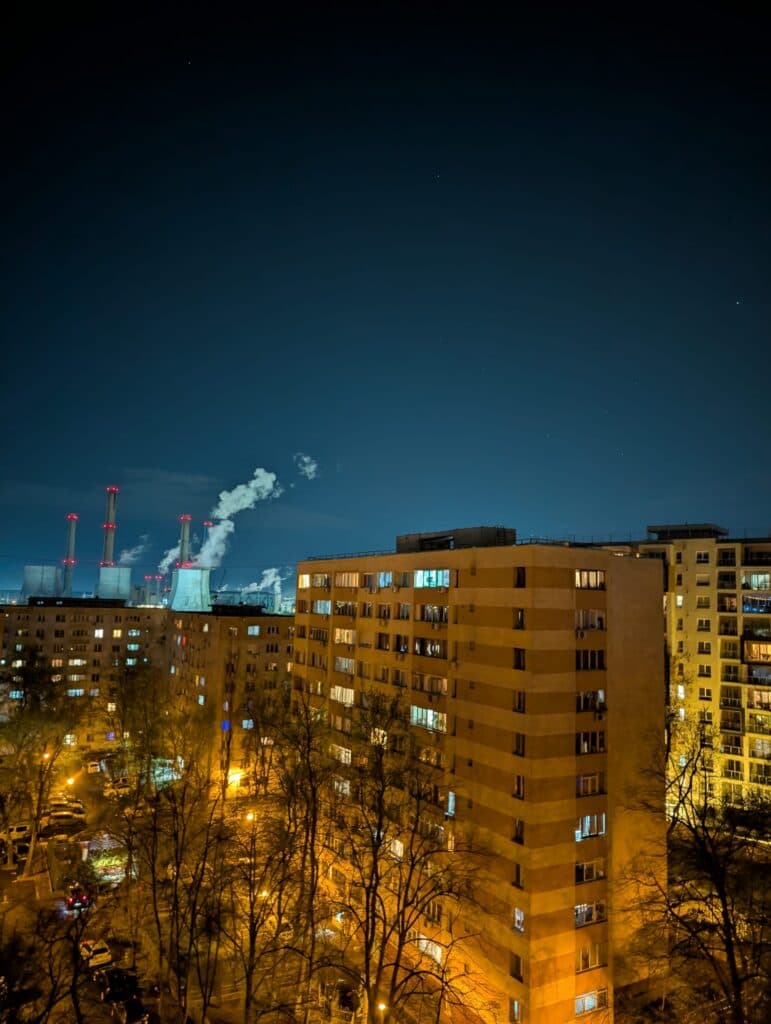
Figure 1. Picture taken from the window of one of the participants' apartments.
Under socialism, Bucharest was extended mainly to house an industrial workforce: the residential quarters built for that purpose, Drumul Taberei, Berceni, Titan, sat right next to the factories they served, with short commutes running outward. After 1989, and especially after 2000, that arrangement broke apart. Ștefan Guga (2010) describes the change as an inversion: the flows of movement that used to run from housing toward the industrial edges began running the other way, toward a new centre and north that had taken over as the city's economic core. The result was a city whose patterns of circulation reorganised entirely with routes into the centre now carrying far more than intended.
The unevenness behind this has many reasons: real-estate speculation, the dismantling of most of the city's industry alongside a more selective wave of new investment, an explosion of consumption places, deepening social and spatial inequality. Housing, oddly, changed less than almost anything else: most people in Bucharest still live in the same large housing estates built before 1989, in neighbourhoods that research on the city's residential patterns has found to be relatively mixed by income (Marcińczak et al. 2014). What changed almost completely is where the money, the new offices, and eventually the cafés went, concentrated overwhelmingly in the centre and north, with little reference to where people actually lived.
What the interviews show
After more than forty interviews with people working remotely or in hybrid arrangements, a pattern repeats in almost every one: almost nobody describes their own neighbourhood as a site of social life (except when living in central areas), and working from a café or meeting with friends, when it happens, is mostly done somewhere else.
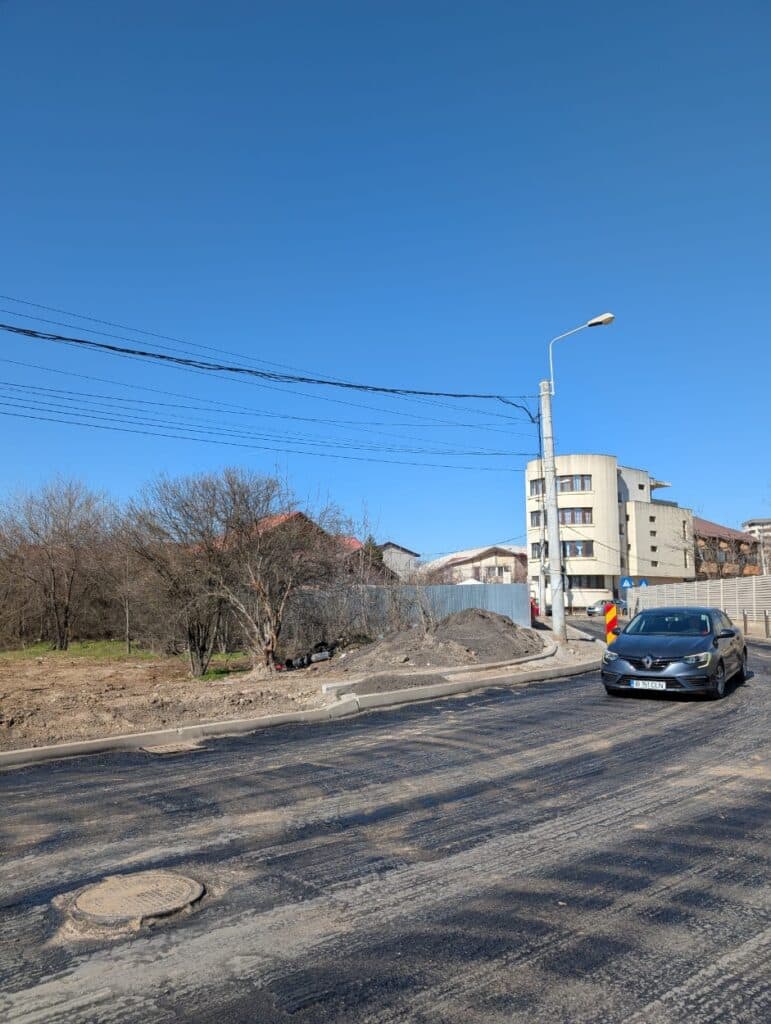
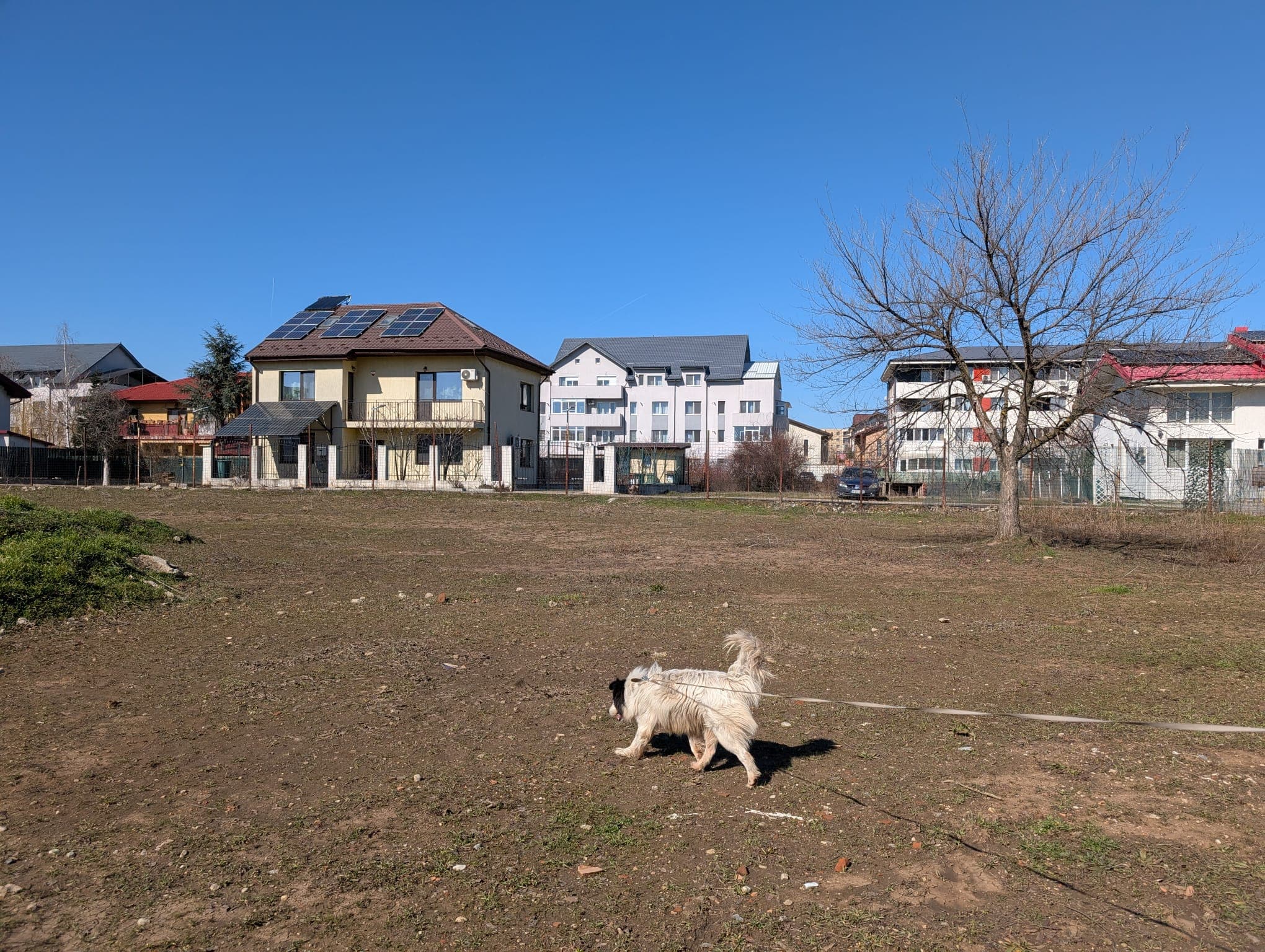
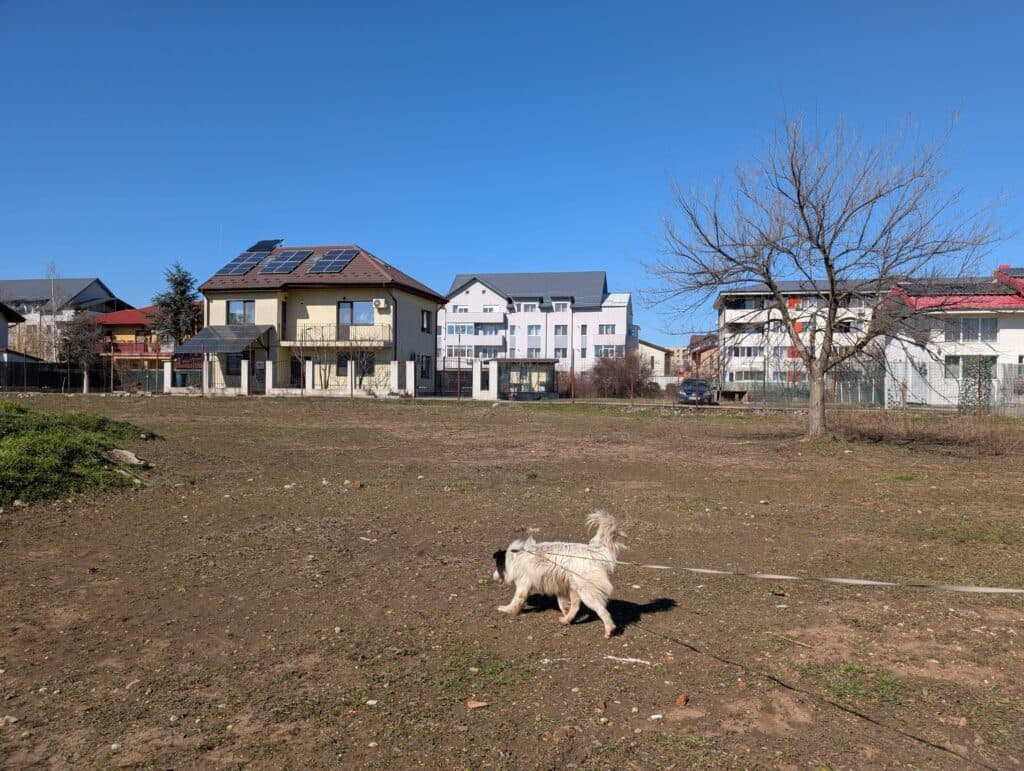
One interviewee lives on the edge of the city, in a house his family built when he was a teenager. The streets there are unpaved in places, clogged elsewhere with parked cars rather than people, and getting anywhere that “feels like the city” means a long trip, which he resents on principle. He compared Bucharest unfavourably to Athens, where he used to live, saying he could go weeks without seeing a single interesting person on the street. His whole social life happens in the centre, and he called Bucharest a hostile city. The only space in his neighbourhood he likes is an empty plot, where he walks his dog. Paradoxically, it's there because of a lack of infrastructure, not investment.
People living in the centre have access to this infrastructure way easier. One interviewee had lived for a time in Obor (one of the residential neighbourhoods built in communism), where local cafés were open mainly on weekends and he found little sense of “community”. Before that, near Kiseleff, he had developed a routine around a small coffee shop where he and other remote-working neighbours met most mornings. As he put it:
"All the neighbours there worked remote, we'd see each other at the little café in the morning, it was like morning colleagues at the office."
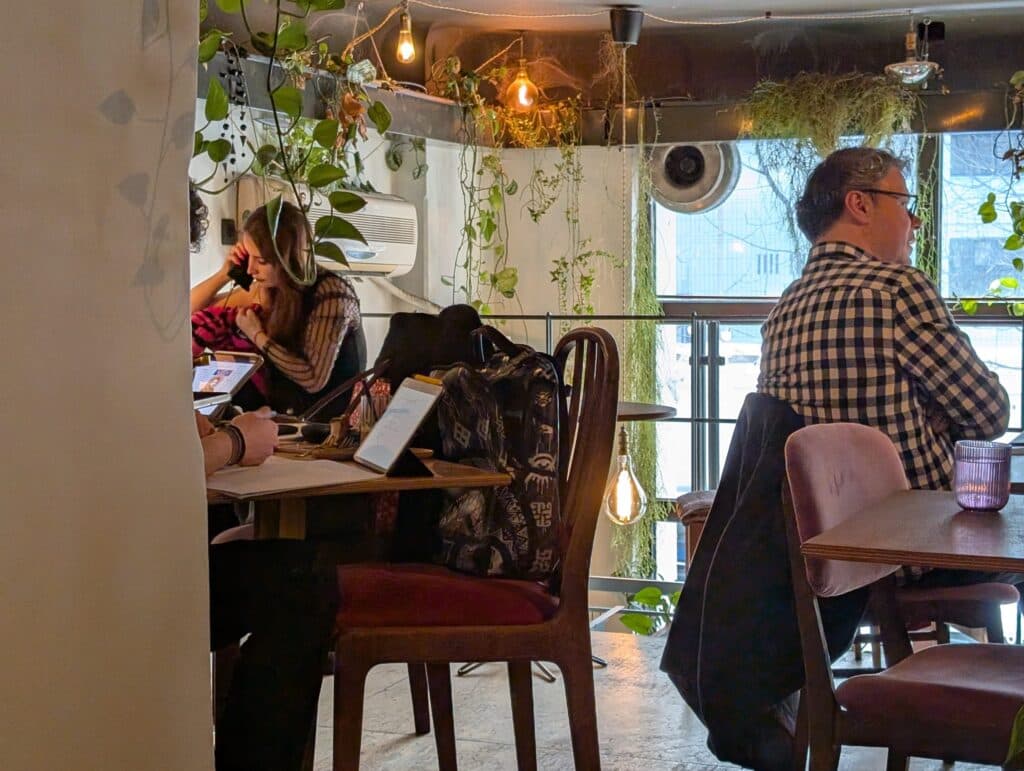
Unable to find anything comparable in Obor, he eventually moved back toward the centre. Another interviewee described a lifestyle built around the same infrastructure: working from home in the morning, stopping for therapy during the day, then continuing work from a café afterwards, while also using the same places for coffee, brunches, socialising, or simply a change of scenery. For both, specialty coffee shops were not occasional destinations but part of a denser urban infrastructure where work, friendship, leisure, and everyday routines overlapped. What drew them toward the centre as a residential area was not simply proximity to other people, but proximity to a concentration of certainplaces, activities, and social worlds that made this way of life possible.
For those living further from the centre, however, these spaces are often less accessible while remaining just as important. Few describe regularly spending a full workday in a café. Instead, specialty coffee shops function as nodal points within broader trips into the city, where an hour or two of laptop work can be combined with meetings, socialising, or other activities clustered in central areas. For some, remote work intensifies this pattern. One interviewee described not having to go to the office as a "social energy saver", energy he redirected into friendships, hobbies, and social life. Yet those activities still tended to take place in the centre rather than near home. In this sense, remote work does not necessarily strengthen neighbourhood life. If anything, it can make its absence more visible, while leaving the reproduction of social life and consumption dependent on mobility toward the same central spaces that already concentrate much of the city's infrastructure.
Mobility, not proximity
Alvin Toffler had a very optimistic take on the changes brought by telework. He expected small neighbourhood work centres to replace the office, leading to a "telecommunity of warmer, more bonded families and a closer, more finely-grained community life, with a lively proliferation of neighbourhood restaurants, theatres, pubs and clubs, a revitalisation of church and voluntary group activity, all or mostly on a face-to-face basis" (Toffler 1981, quoted in Huws, Korte and Robinson 1990, 213). Bucharest makes that vision hard to recognise.
John Urry (2002), writing against the common assumption that community comes from living near other people, argued that in a modern, zoned city, social life has to be reached rather than found nearby, and what determines community is access to mobility, not proximity to anyone in particular. A city that separates housing, work, shops and leisure into different areas makes that movement unavoidable, so a lack of mobility, not a lack of neighbours, becomes the real barrier to social life. Bucharest reinforces the need to look at movement itself, not static places.
Segregated consumption, and the mobility it demands in a city like Bucharest, ends up reproducing the central-north corridor as a site of work and sociability for a fairly specific class position, one that a large share of the remote workers in this research occupy. It still matters where people live, but it may matter just as much where they go once the office matters less, since the blurring of working and leisure time seems to generate a need for community that looks more likely to deepen Bucharest's existing unevenness than spread it out. Taking the city's history and infrastructure seriously, rather than assuming proximity is the right scale to look at, might mean studying remote work through why, how, and how far people travel to find what they're looking for. It might be that the areas around one's house become more important. Or, as Bucharest seems to suggest, that movement itself becomes accelerated and diversified. Either way, it's something I'll try to find out as this research goes on.
Bibliography
Guga, Ștefan. 2010. "The Political Economy of Traffic Congestion: System, Lifeworld and the Production of Space in Bucharest." MA thesis, Central European University.
Huws, Ursula, Werner B. Korte, and Simon Robinson. 1990. Telework: Towards the Elusive Office. Chichester: Wiley.
Marcińczak, Szymon, Michael Gentile, Samuel Rufat, and Liviu Chelcea. 2014. "Urban Geographies of Hesitant Transition: Tracing Socioeconomic Segregation in Post-Ceaușescu Bucharest." International Journal of Urban and Regional Research 38 (4): 1399–1417.
Perfect Daily Grind. 2026. "Why Romania's Specialty Coffee Market Is Growing So Fast." June 4.
Urry, John. 2002. "Mobility and Proximity." Sociology 36 (2): 255–74.

Radu Mareș (he/him) holds a BA (University of Bucharest) and an MSc (KU Leuven) in anthropology. During his studies, his research explored topics such as sensory labour in the coffee industry and socioecological transformations in a natural protected area in Romania. Within ReWorkChange, he will build on his broader interest in labour and the social and material transformations shaping everyday life, and is particularly excited to return to Romania to conduct fieldwork as part of a global comparative study.