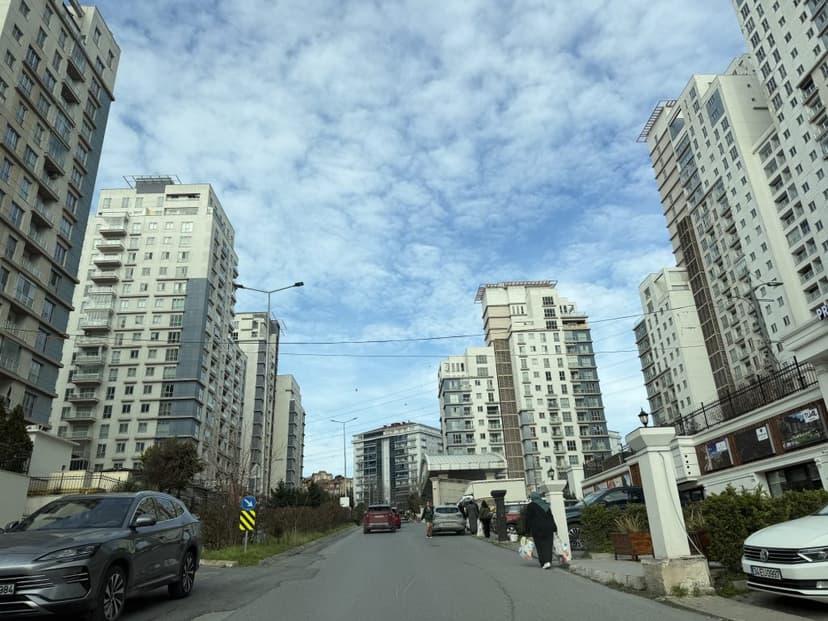

Somewhere Between the Kitchen Table and the Balcony: Remote Work and the Shape of Home in Esenyurt
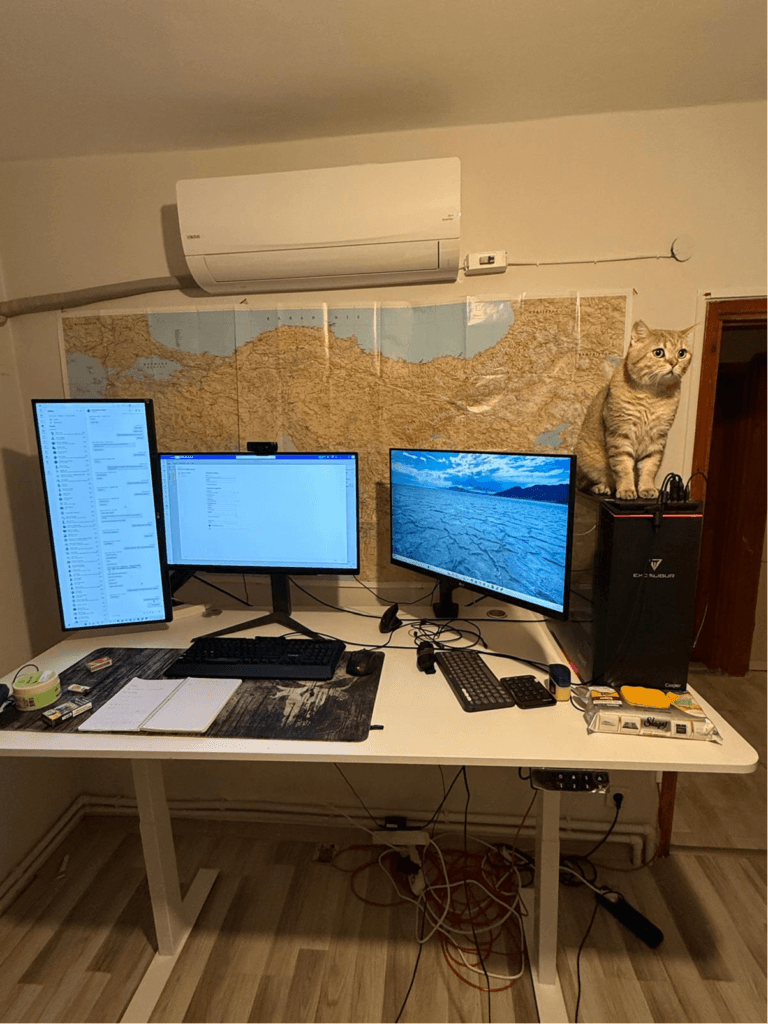
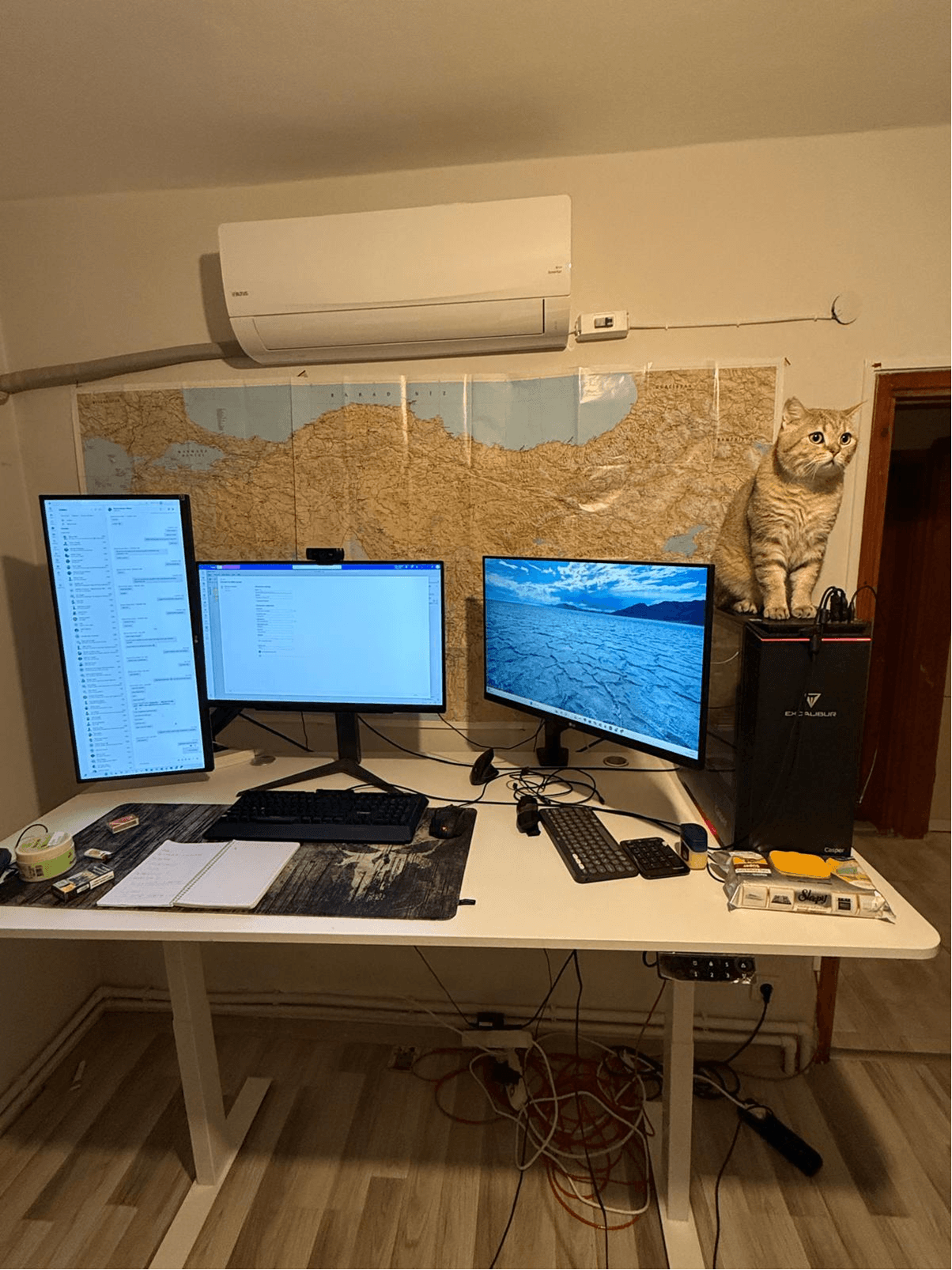
My cat jumps on the keyboard mid-sentence. This happens most afternoons, and every time I watch it happen to someone else in Esenyurt, I recognise it immediately. A young engineer I met, Onur, has the same problem. He has his own room, his own desk, but somewhere in the middle of a design job he gets up and moves to the living room instead, because the room "starts to feel suffocating." His cat follows him there too, walking across the keyboard, demanding attention in the middle of a paid task. He laughs when he tells me this. Then, almost in the same breath, he tells me something else: his family still does not quite believe he works. There is an unspoken expectation, he tells me, that he should walk in the door at seven in the evening, the way someone returns from a shift, so some mornings he leaves the apartment for a short walk and comes back, just to have left once, just so that everyone understands he has actually been working, as if the only proof of a day's labour is the movement of leaving and coming back. Being visibly present at a desk from nine to five was never how this job worked. But being at home all day, in a neighbourhood where almost everyone else leaves for a shift, has come to mean something close to being unemployed, at least in his mother's eyes. So the apartment becomes a stage he has to perform on, badly, for an audience that already suspects the performance is fake.
I started asking a version of this question in my second post: if remote work is not visible in cafés or coworking spaces in Esenyurt, where does it actually happen? The answer, I am learning, is not a single room. It is a negotiation that starts over every morning, and it looks different in almost every household I have spent time in.
Take Kerem, an e-commerce business owner I met through a mutual contact. Most days he is at home like everyone else, but he also keeps a small office he can retreat to, a handful of desks pushed together, one that can be raised or lowered so he can stand while he works, another usually left for someone who prefers working from home but drops in when he wants a change of scene. At home, though, there is no separate study in his apartment, just the living room, the bedroom, and, when a call runs long and someone else needs the living room, the balcony, where a small table has been squeezed in for exactly this purpose. He tells me his wife used to stay home with the children full time, and only did the housework and childcare that came with it; now she works from home herself, and he still remembers her saying that looking after two children had been more exhausting than any job outside the house ever was. The balcony as a call booth, the office as a substitute for the apartment's missing room, the invisible labour behind both of these arrangements. None of this made it into a floor plan, and none of it was there before remote work made it necessary.
Then there are the households where two people work from home at once, which turns out to be its own particular strain.
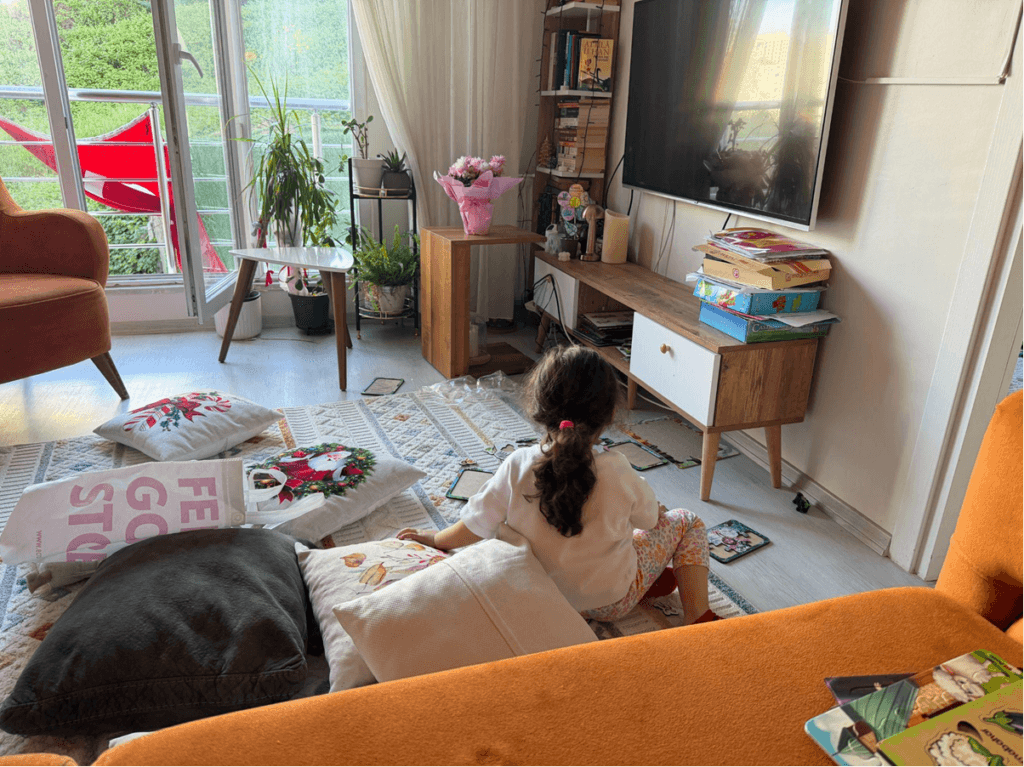
In one conversation, Derya explains it to me almost mechanically: when her husband is on his computer, she can not leave, because someone has to be free to run downstairs, take a call, answer the door. It is not framed as unfair, exactly. It is framed as simply how things are, almost like the weather, something given that one adjusts to rather than questions. In another household, a father who works remotely does the school run himself, picking his child up at half past four in the afternoon without any trouble, until the one day a week his company now asks him to come into the office. That single day throws everything off. In another case, a family friend who teaches at the university has had to renegotiate her own timetable, moving her classes so she is free at four instead of five, just so someone can still get the child from school. Nobody used the word crisis, but the tone was close to it. A single office day, reintroduced after months of full remote work, was enough to expose how tightly the whole household schedule had been built around one person never having to leave the apartment.
Watching all of this, I keep coming back to the same thought: "working from home" was never really the right description for what I am seeing. Home is not a stable container that work simply moves into. It gets rearranged around the work, room by room, sometimes literally, sometimes just in terms of who owes an explanation to whom for being present or absent. Onur's living room, Kerem's balcony and the office he had to invent, the choreography of who is free to answer the door. None of these were designed for remote work. They are what people improvise once remote work moves in and refuses to leave, occupying a bedroom here, a Monday there, a mother's understanding of what it means to have a job.
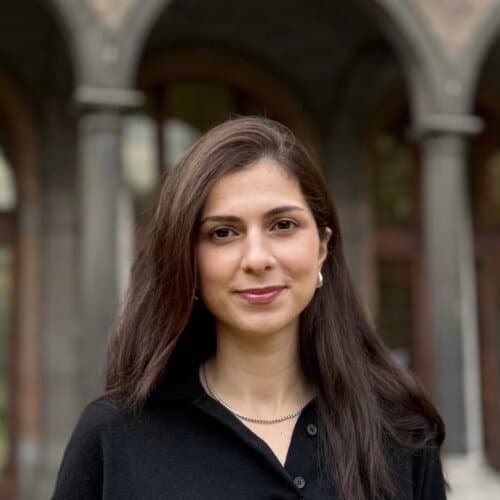
Elif Hazal Gougler (she/her) is an anthropologist and project manager from Istanbul. She studied Management of Performing Arts at Istanbul Bilgi University and later completed a joint MA program in Social Anthropology at the University of Bern and the University of Vienna. With professional experience in documentary production for international media networks and in EU research coordination at Kadıköy Municipality, her work explores mass communication and digital media, focusing on how media are created and adapted for specific communities, particularly women. In the ReWorkChange project, Elif Hazal will carry out ethnographic research in Istanbul, Türkiye.