
A City of Cafés
Shanghai’s dense landscape of independent cafés forms an important backdrop to remote work. The city is known for its abundance of coffee shops, many of which are not global chains but carefully designed independent businesses. Their interiors are often striking: soft lighting, tasteful furniture, plants, large windows, textured walls, and small decorative details that invite both lingering and photographing. For many café goers in Shanghai, visiting such places is not only about drinking coffee. It is sometimes also about enjoying the atmosphere and producing images of oneself within a particular urban atmosphere. On social media such as RedNote (Xiaohongshu), carefully composed images of Shanghai cafés have become a recognisable aesthetic genre. Some images document the cafés themselves. Others centre on the visitors who pose inside these spaces and check in at popular “wanghong” (social-media-famous) cafés.
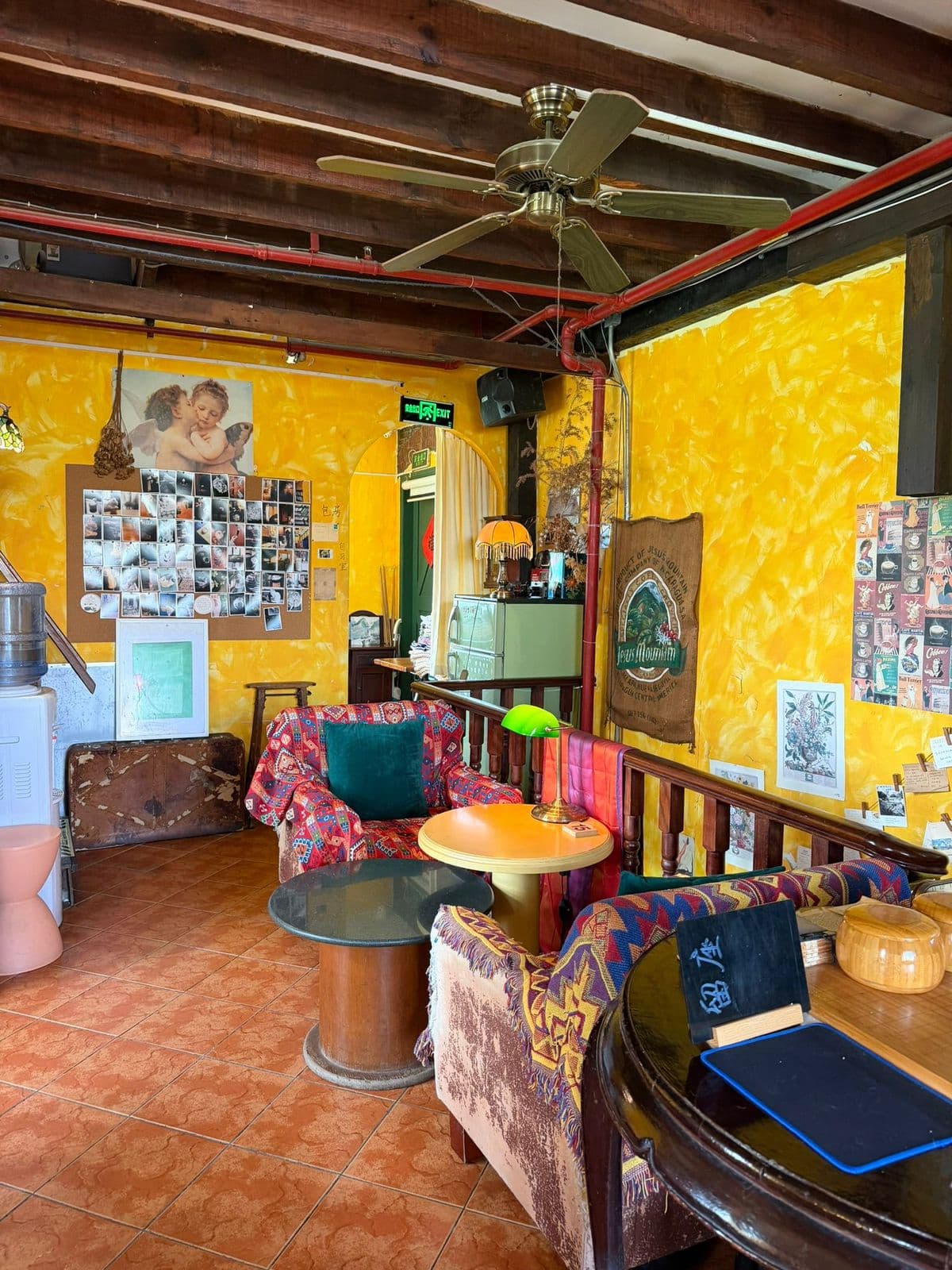
The easy availability of such urban “third spaces” has expanded the social and working lives of Shanghai’s remote and hybrid workers. Meeting someone new in Shanghai rarely means being invited to their home or to a public space near where they live. More often, it means meeting in a beautiful café, often in the city center or a historical area, that is suitable for both conversation and leisure. These cafés provide a semi-public setting in which people can socialise, hold informal meetings, work on their laptops, and perform a certain version of urban life. The city’s extensive metro system further supports this lifestyle. It makes movement across districts relatively easy, allowing workers to treat cafés in different parts of Shanghai as accessible extensions of their workplace, social life, and everyday routine.
For some remote workers, working in cafés makes their work life more pleasant. They sometimes describe it as a small privilege: being able to sit in a beautiful café during ordinary working hours, when most office workers are expected to remain at their desks. One example is a remote worker, Ting, that I met. For her, working from cafés revealed one of the small pleasures of remote work: the ability to turn the city’s aesthetic spaces into an everyday workplace. A cup of coffee bought her temporary access to the coffee shop owner’s carefully curated taste. What once might have been reserved for days off now became part of her working routine.
Ting also made this lifestyle visible online. Her posts about travelling, visiting cafés, and working flexibly were partly personal records, but they were also addressed to an imagined audience of former colleagues who remained stressful full-time jobs at large IT corporates. When they sent her messages asking what she had been doing lately, she read their curiosity as a sign that the images had worked. They had glimpsed a different arrangement of work and life. Through these posts, she wanted to suggest that such a change was possible: one could leave the office behind, reorganise one’s time, pursue an ideal and free lifestyle, and inhabit the city differently.
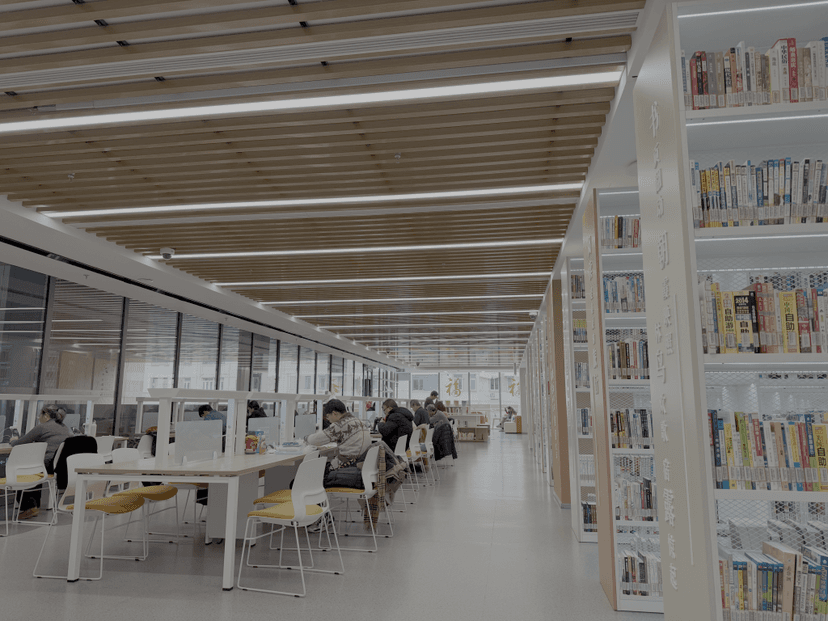
Coffee shops are one of the major systems of infrastructure that people enjoy in Shanghai. What stands out more broadly is the city’s capacity to offer an abundance of options in everyday life. Whether it is finding a place to eat, buying groceries late at night, attending a cultural event, or moving across districts, these possibilities are easily attainable. Whenever I walk in the city, it gives me the impression that everything is remarkably orderly and clean. City infrastructure is well-developed and continuously renewed. Often, I sense that there is more on offer than one could possibly need—in a good way. I am therefore not amazed when I see the toilet in my interlocutor’s favourite library is AI-powered — you can check on a mini-program how many empty seats the toilet has left.
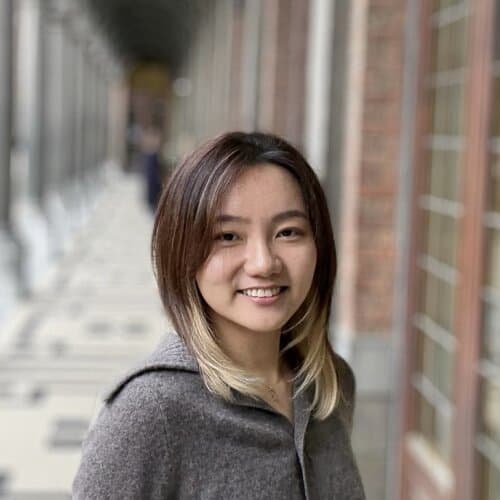
Xiaolin Li is a digital anthropologist. Li’s research explores how digital technologies and material practices shape gender, embodiment, intimacy, and social change in contemporary China. Li completed a PhD in Digital Anthropology at UCL, which examined how FemTech is designed and used within broader practices of menstruation, sexuality, and medicine. As part of the ERC project ReWorkChange, Remote Work and Social Change at the University of Antwerp, Li is currently conducting ethnographic research on how remote work is reshaping everyday life in China.