Shanghai
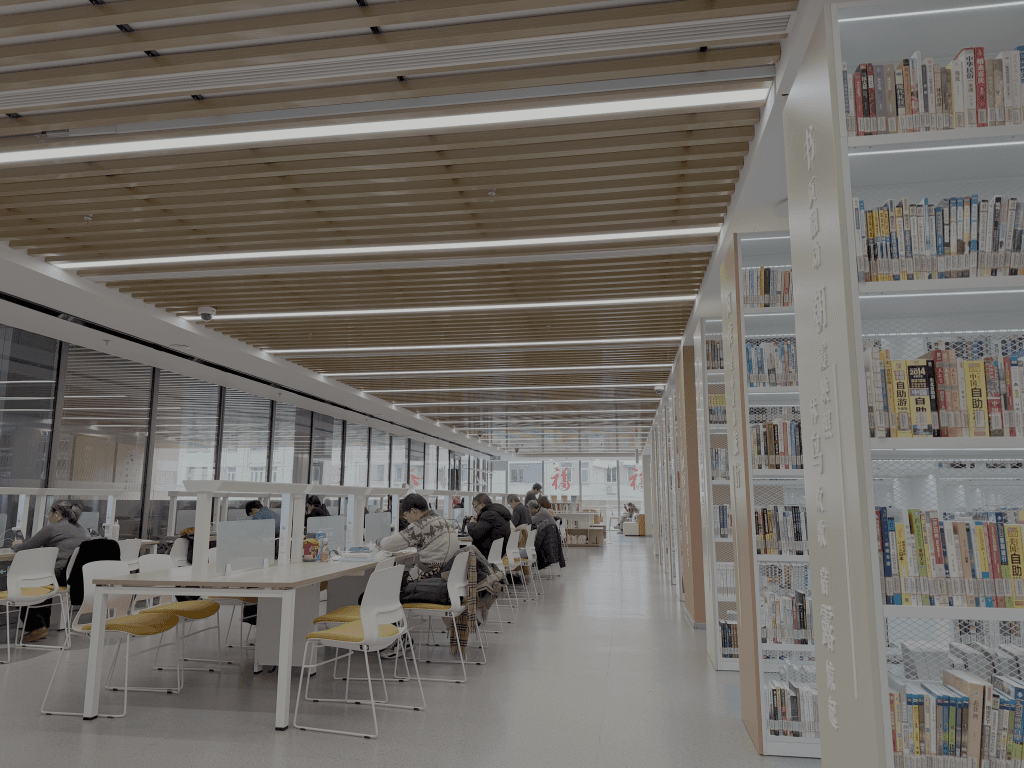
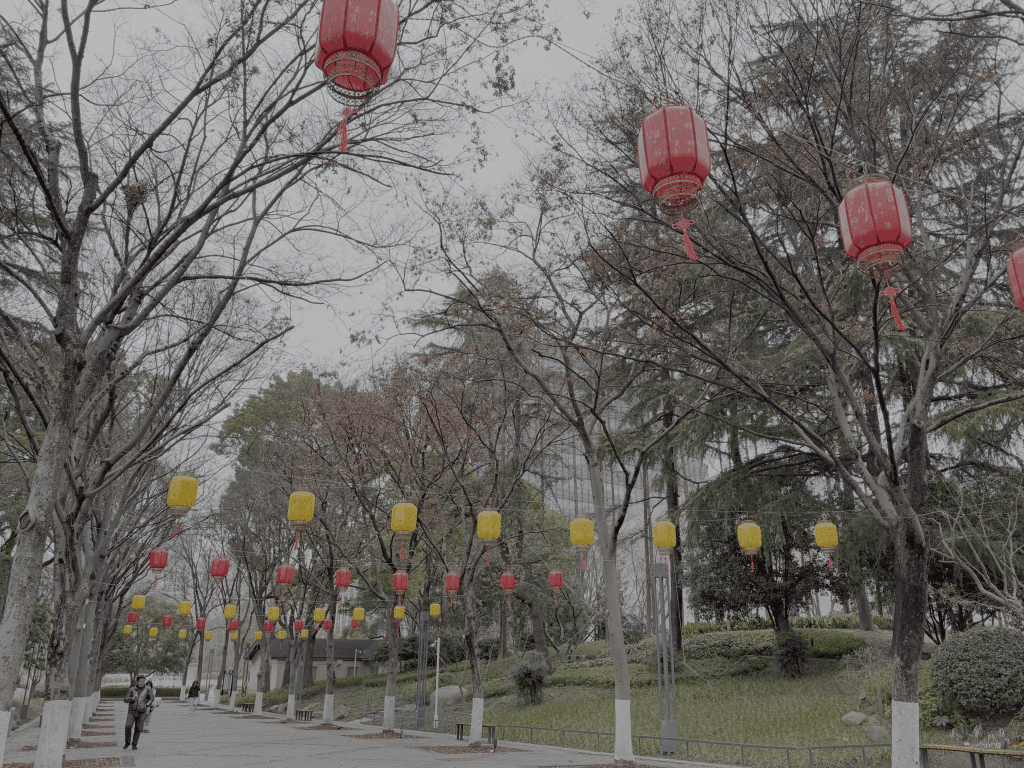
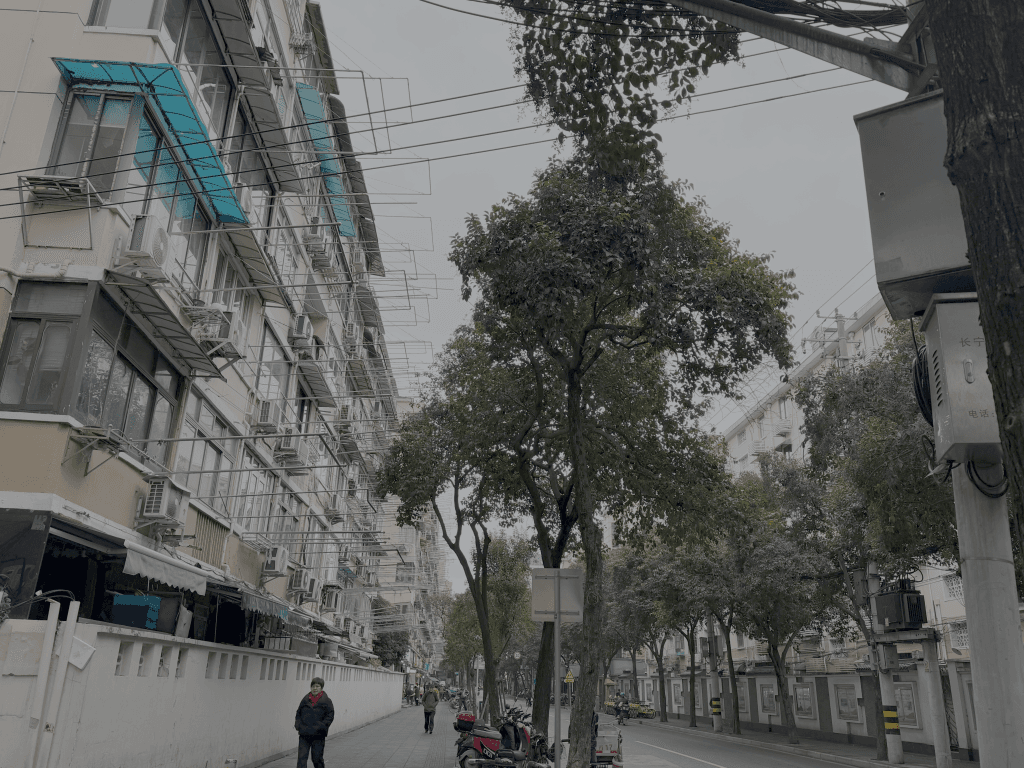
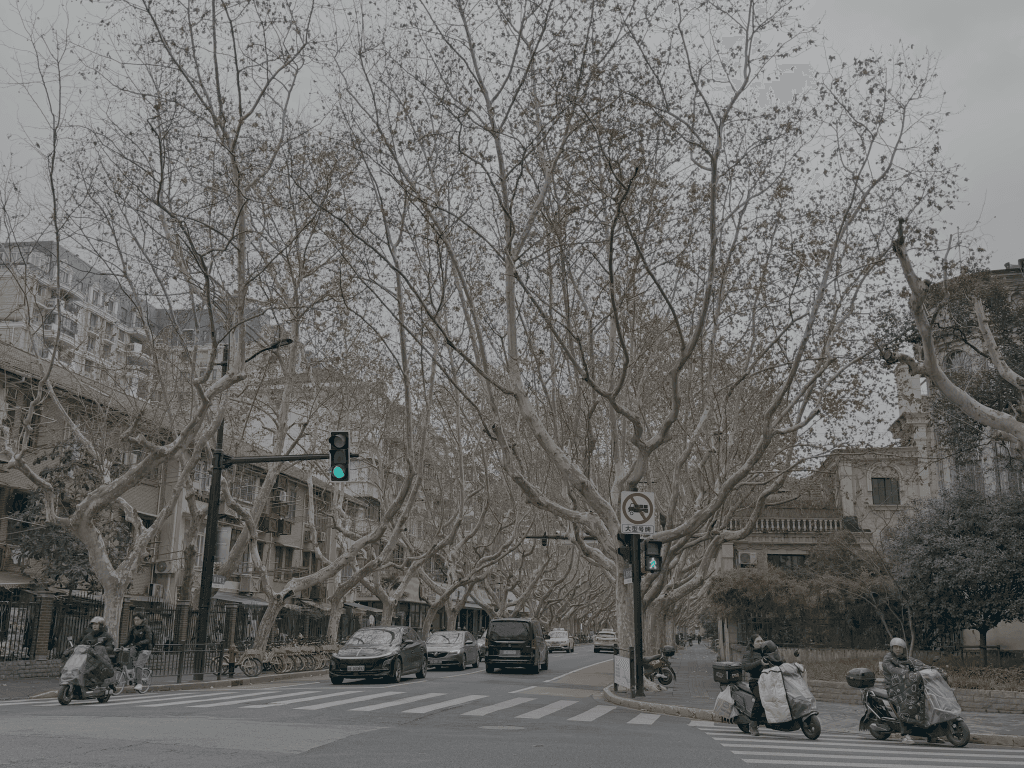
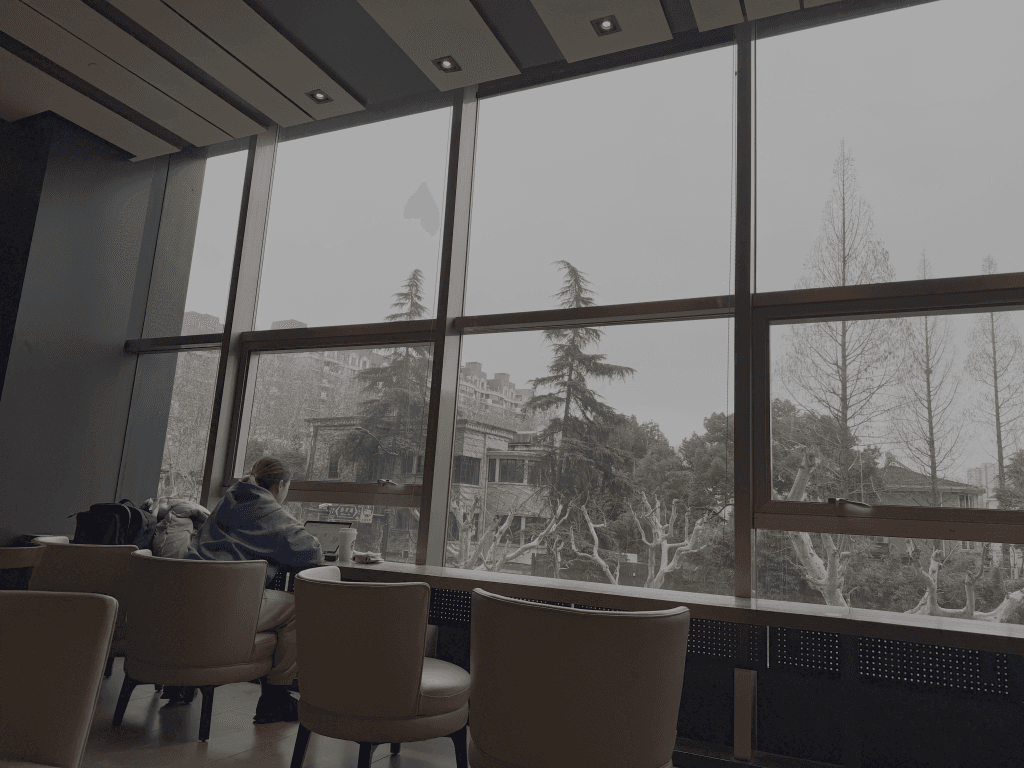
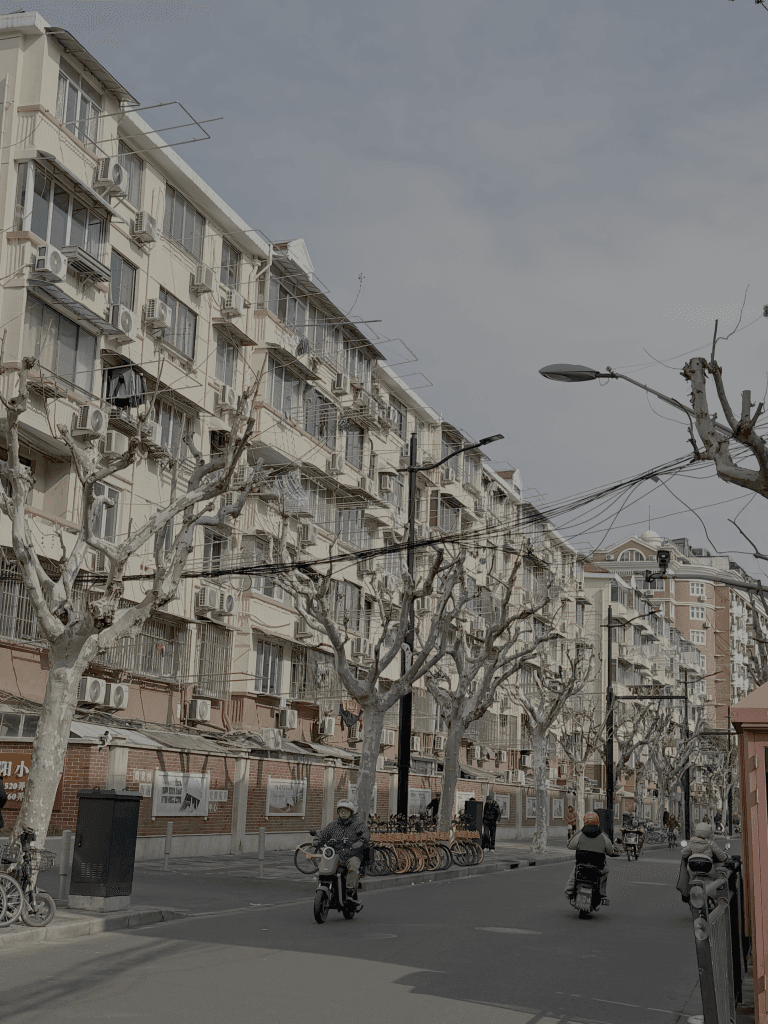
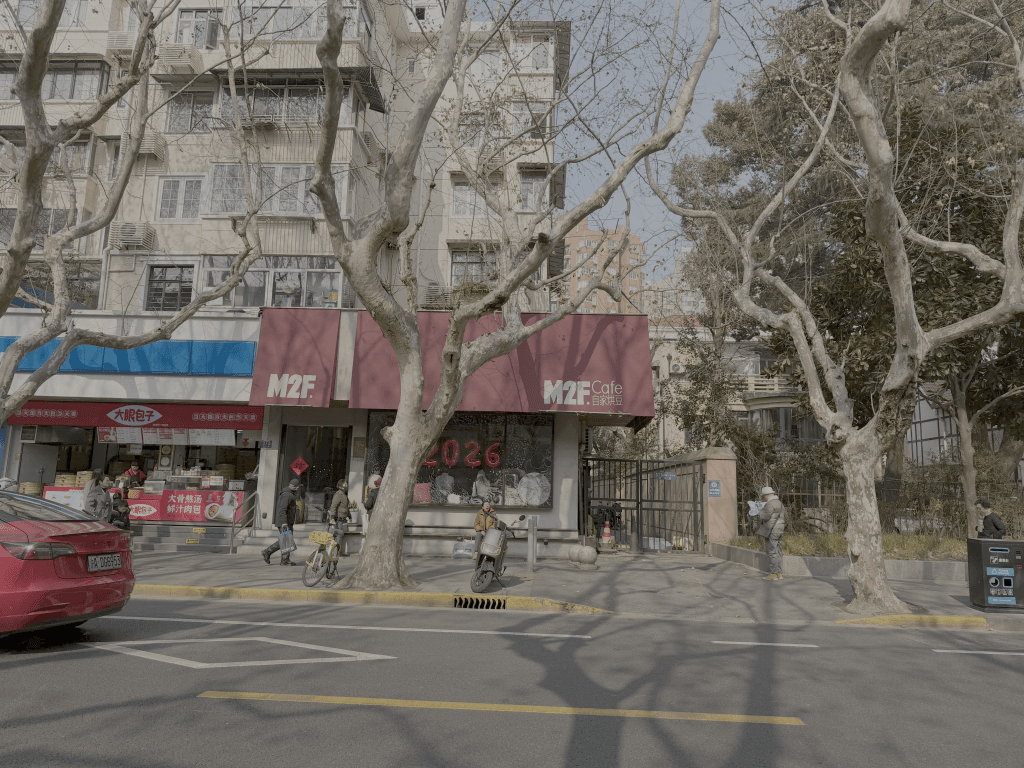
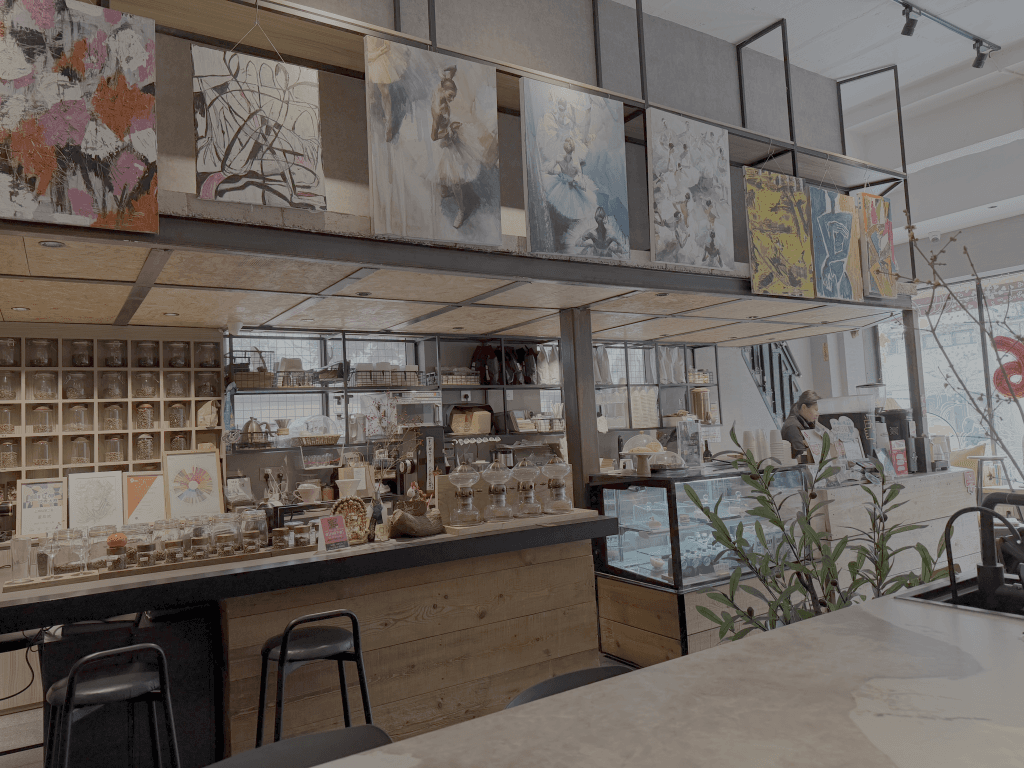
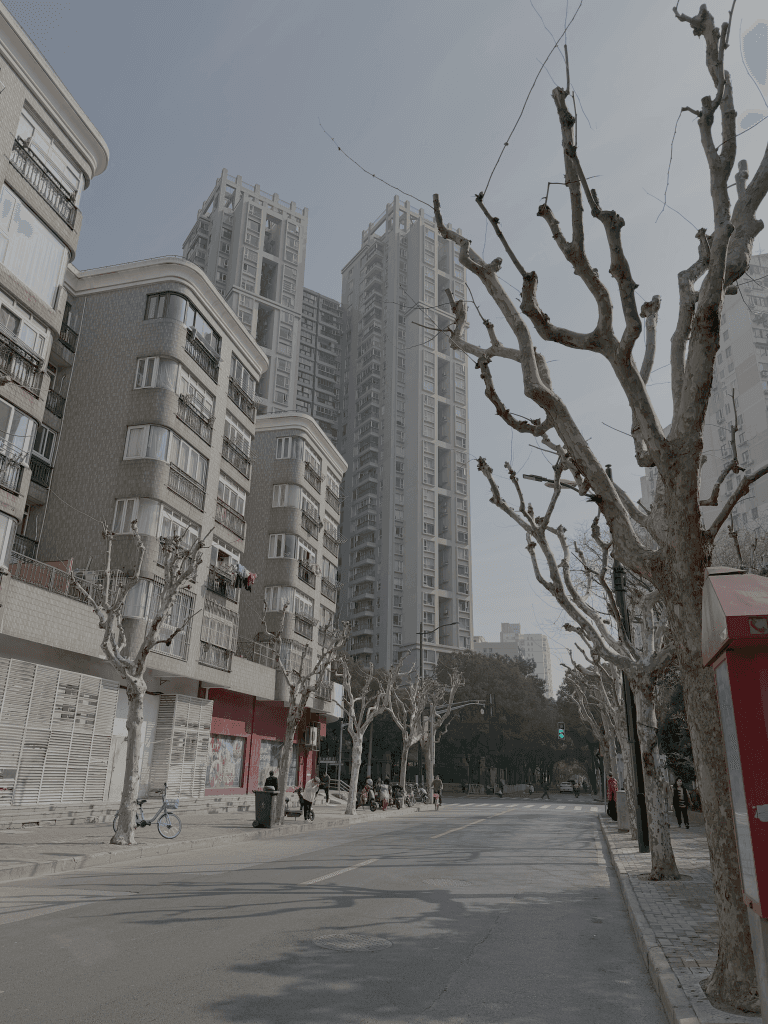
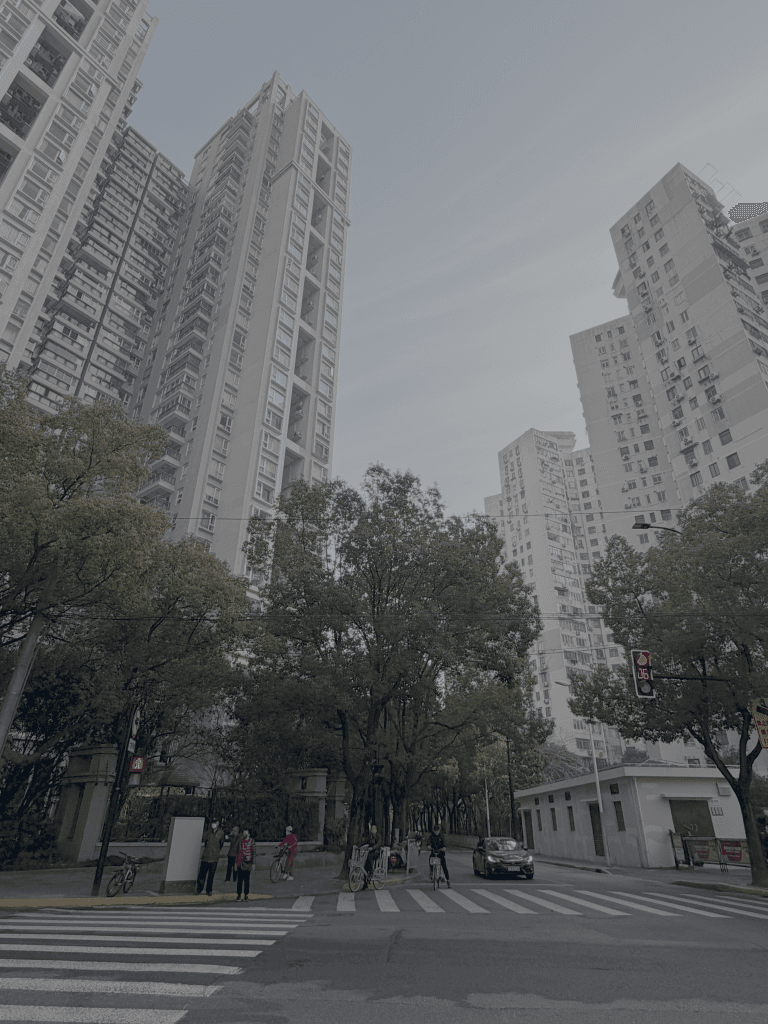
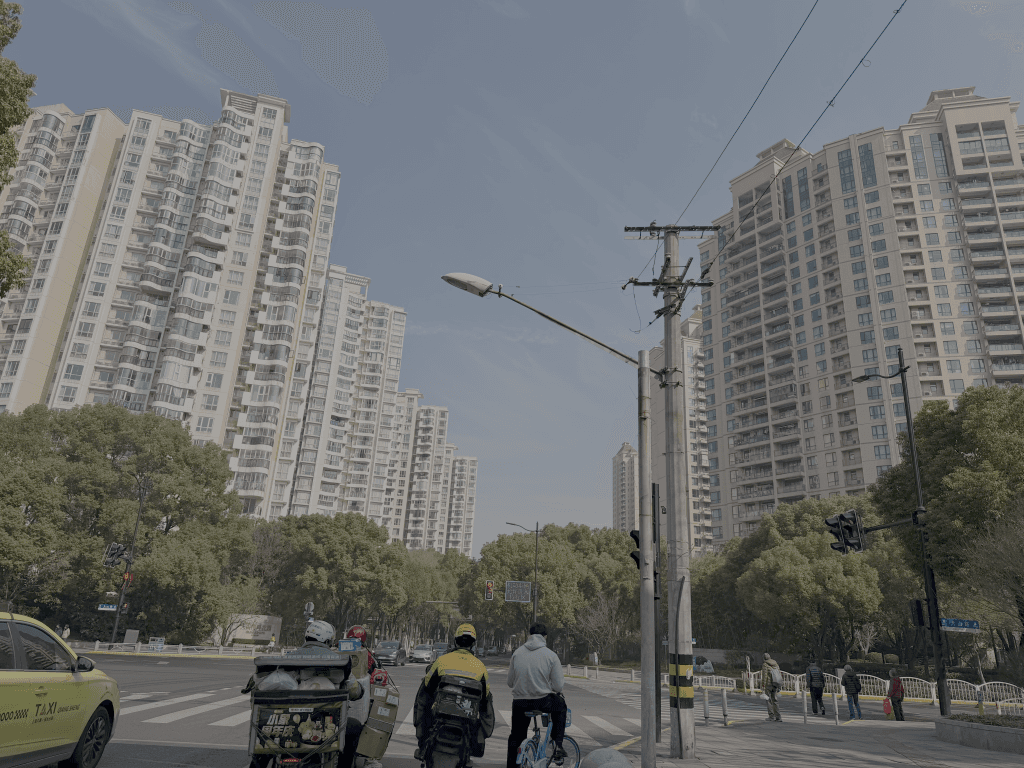
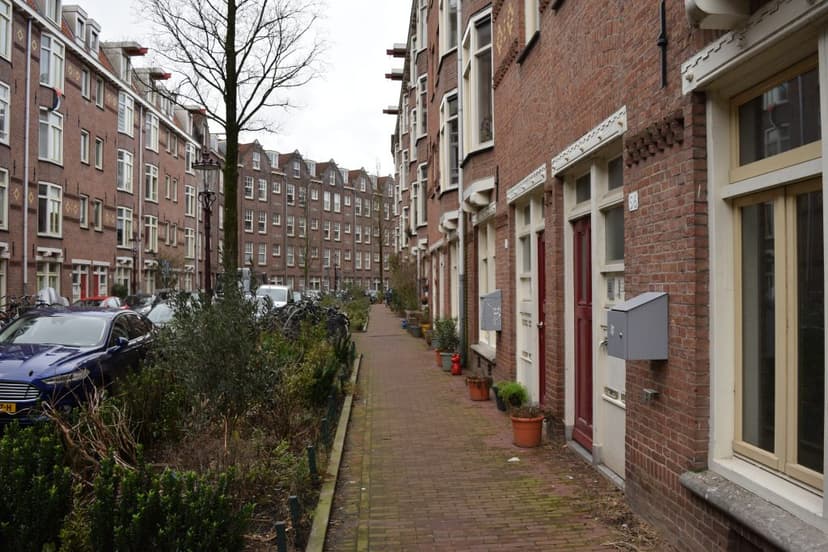
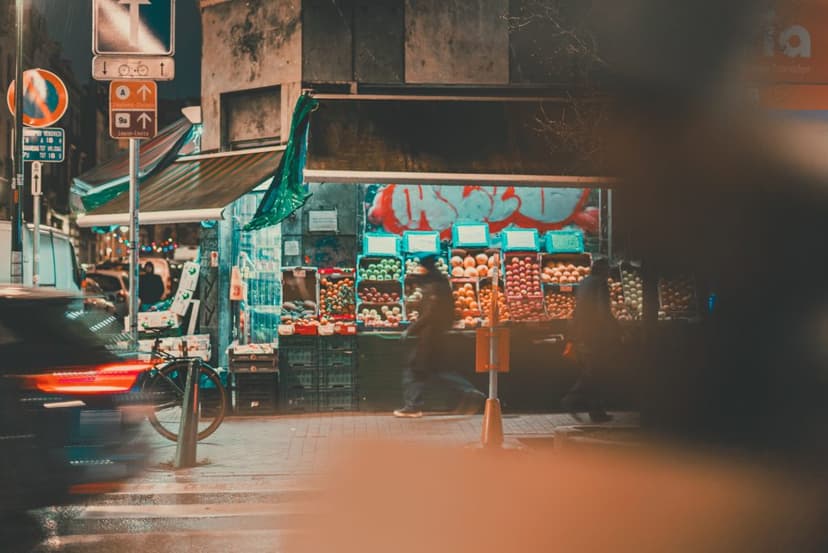
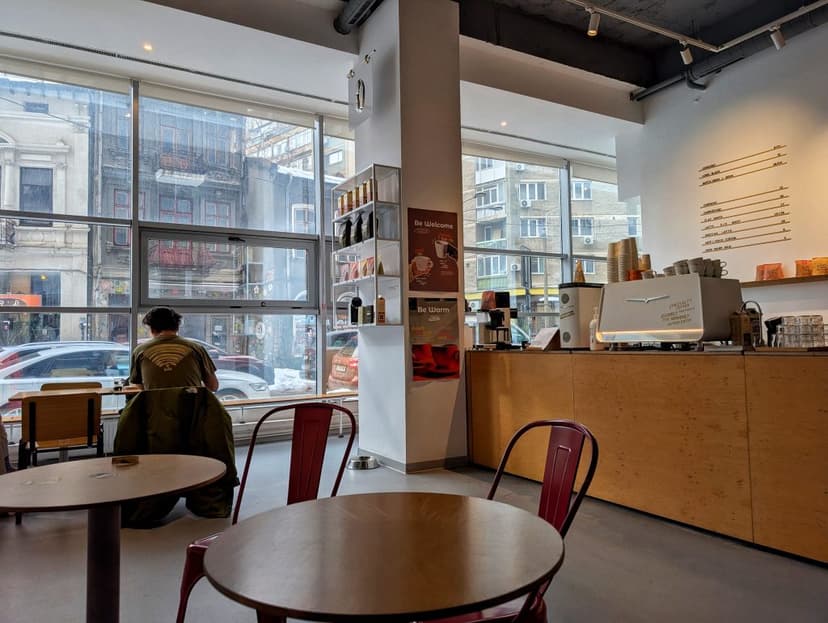
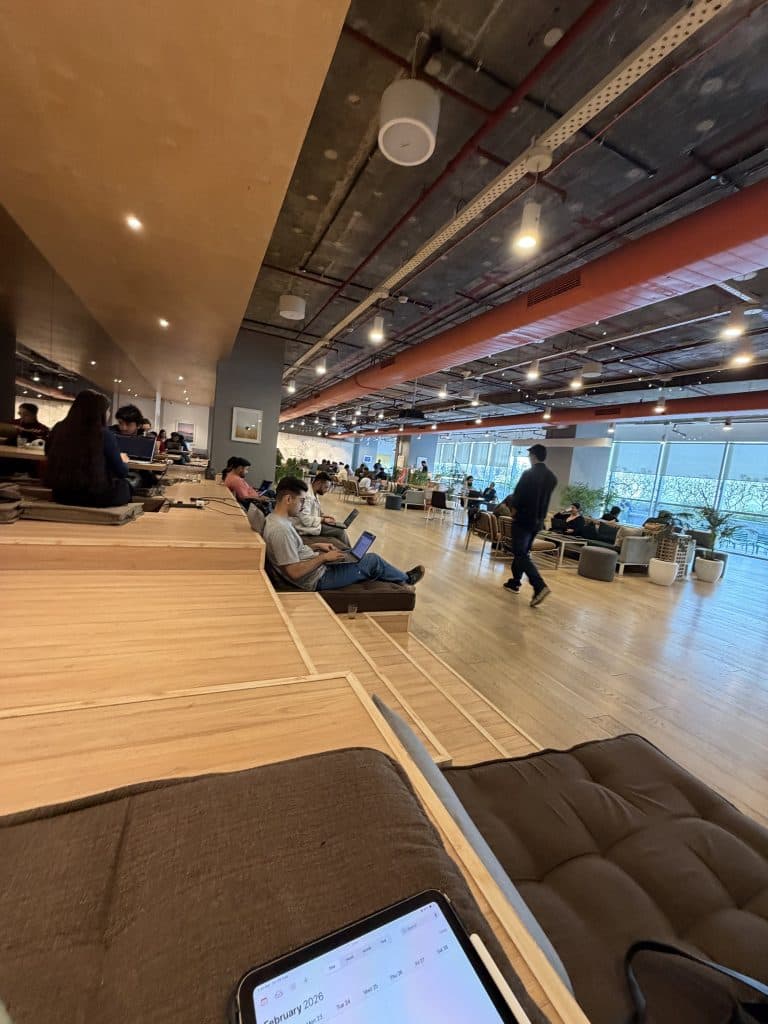
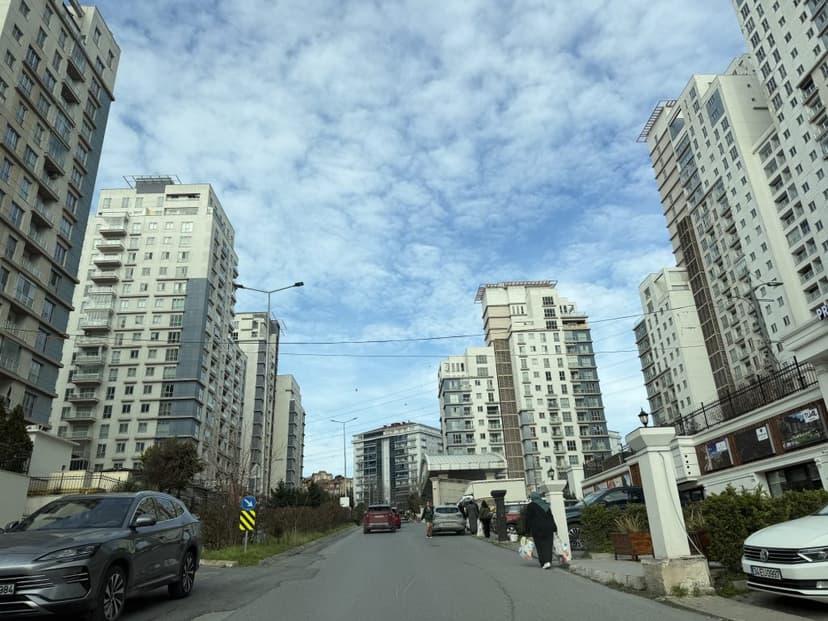
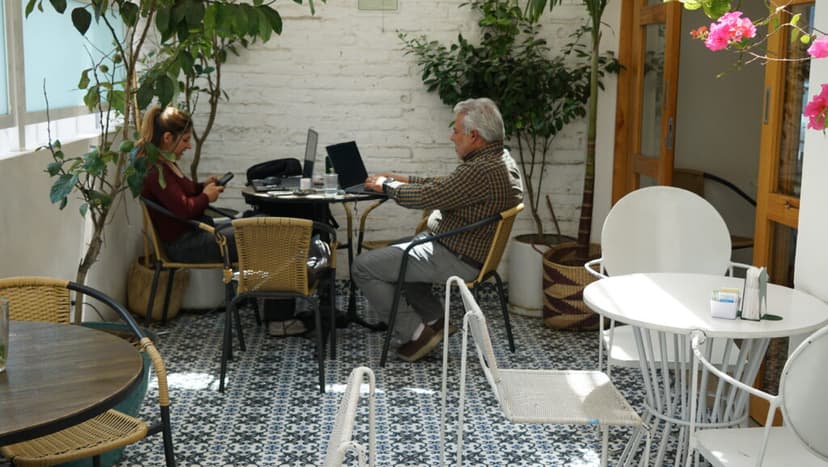
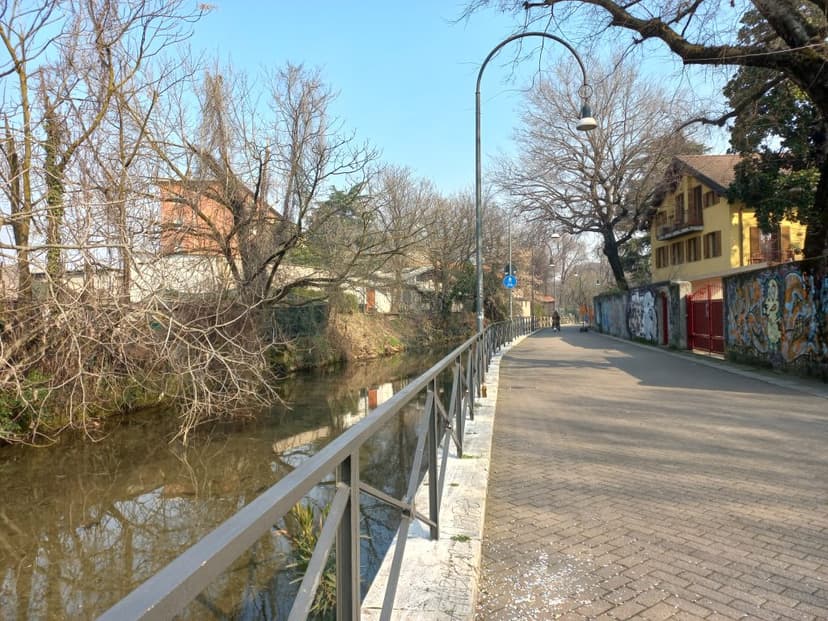
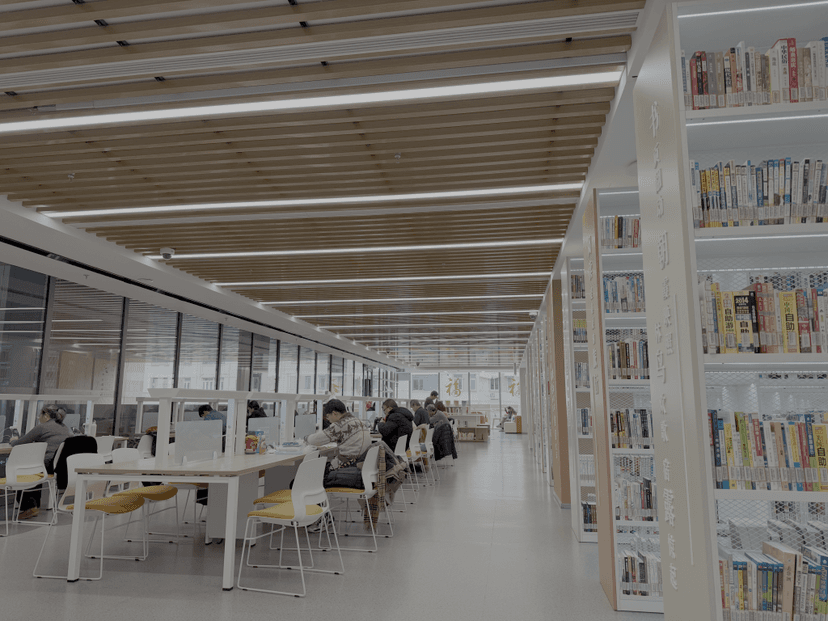
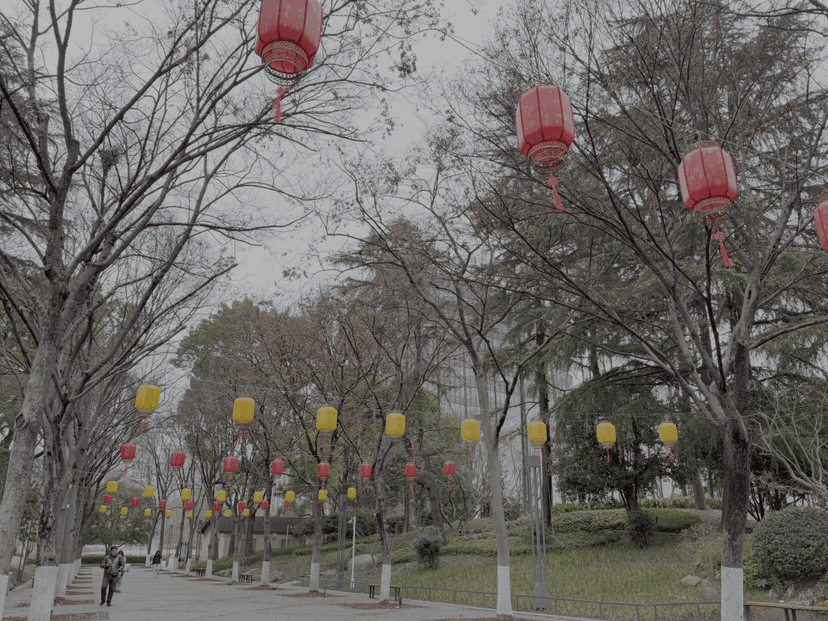
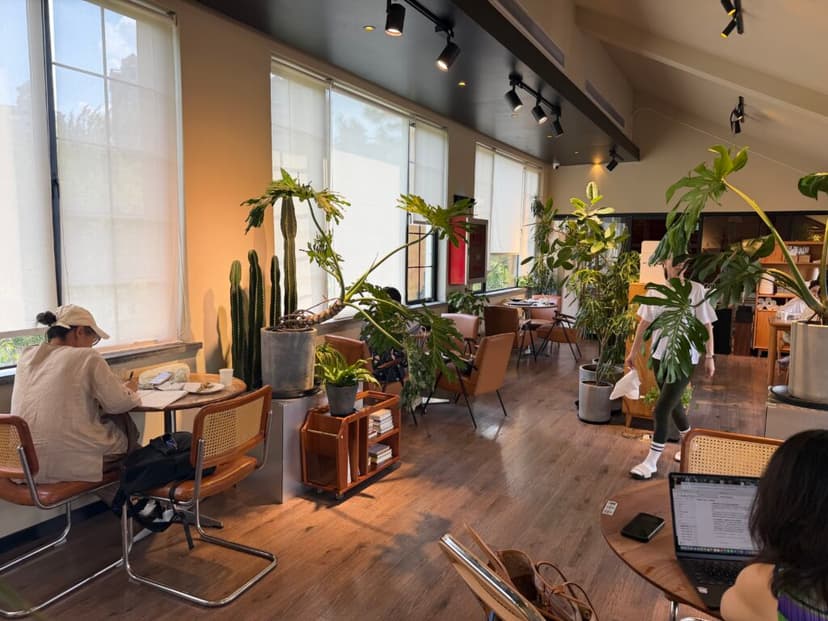
Fieldwork in Shanghai is conducted in the Changning District, situated within Shanghai’s inner-urban area, adjacent to the city’s principal commercial and office hubs, yet primarily residential in character. Historically shaped by its proximity to the Hongqiao economic zone, the district has long attracted multinational corporations and foreign enterprises, including those offering hybrid work arrangements. Changning is also a mature and expansive residential district, characterized by established housing compounds—a mix of relatively new high-rise buildings and older low-rise walk-ups, tree-lined streets, parks, small cafés, libraries, state-sponsored community centers, markets and malls, and schools. The area is also popular among freelancers, entrepreneurs, and those working in creative industries. Beyond Changning, some remote workers move between inner-urban neighborhoods and more suburban districts at different stages of their lives or careers, often in search of more affordable housing and better conditions for family life.
Related Blog Posts
Xiaolin Li is a digital anthropologist. Li’s research explores how digital technologies and material practices shape gender, embodiment, intimacy, and social change in contemporary China. Li completed a PhD in Digital Anthropology at UCL, which examined how FemTech is designed and used within broader practices of menstruation, sexuality, and medicine. As part of the ERC project ReWorkChange, Remote Work and Social Change at the University of Antwerp, Li is currently conducting ethnographic research on how remote work is reshaping everyday life in China.