
Remote Work in Tight Spaces: Work and House Inequality in Milan
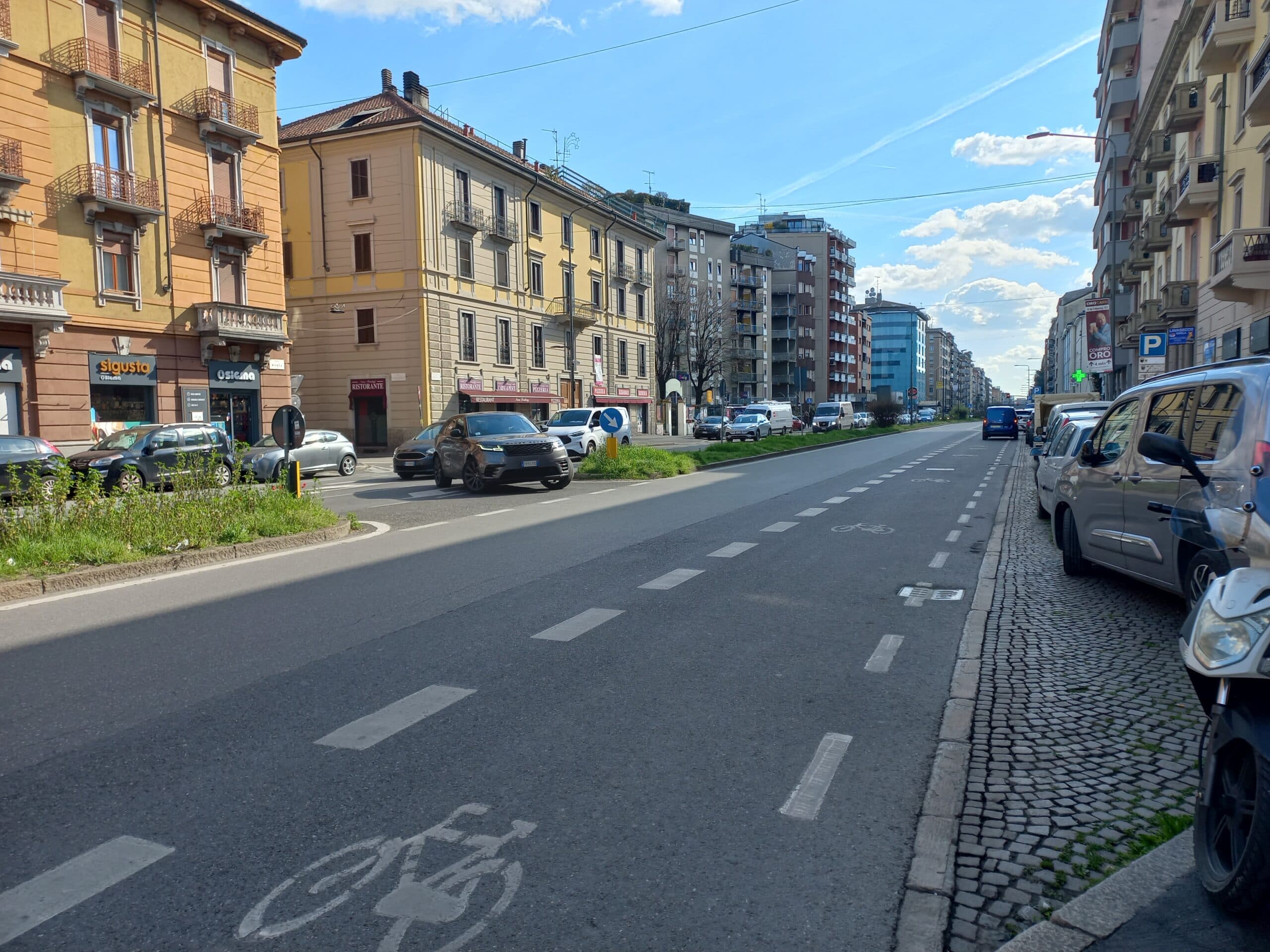
Fieldwork in the eight cities of the ReWorkChange project began in February. The goal of the project is to explore and compare the social consequences of digitally enabled remote work on people’s everyday lives. Eight researchers are each conducting ethnographic research in a neighbourhood in one of the following cities: Amsterdam, Brussels, Bucharest, Istanbul, Mexico City, Milan, New Delhi, and Shanghai.
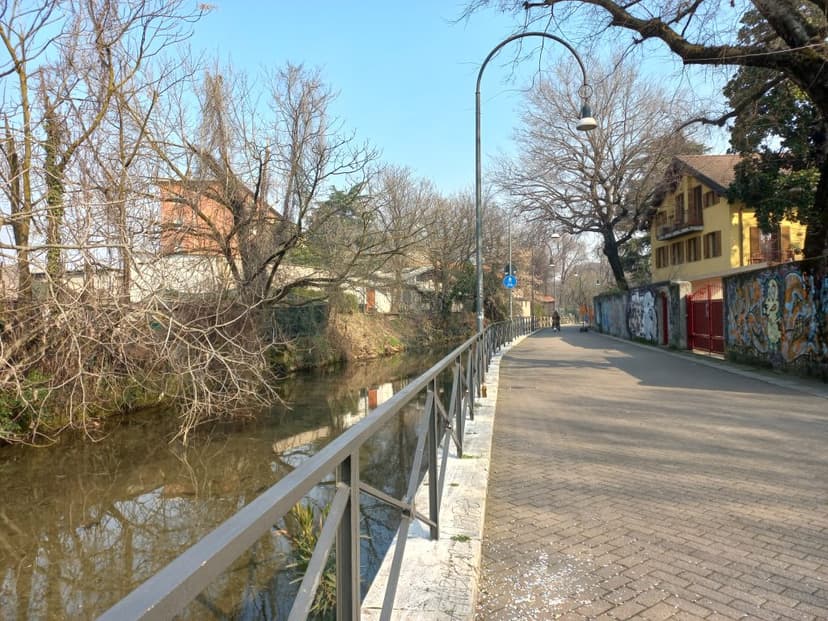
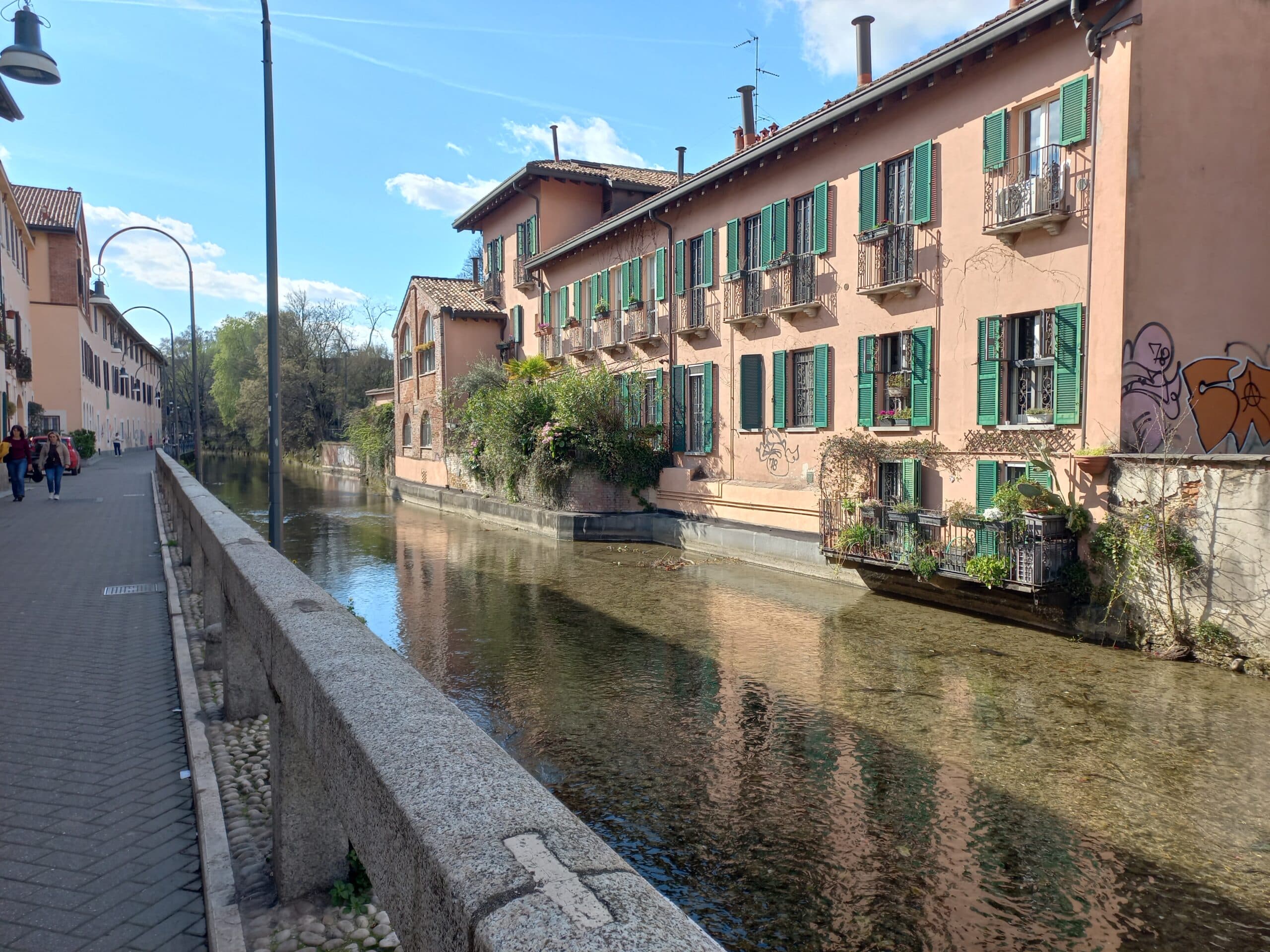
I have also started my research in Milan and have already conducted around twenty interviews with different participants. These early observations and conversations have brought to light several interesting themes. What has struck me most is the experience of participants who spend the majority of their everyday lives in very small spaces at home. In Milan, it is not uncommon for people to live and work all day in apartments ranging from 30 to 50 square metres. Housing costs have risen sharply in recent years, pushing many residents towards the periphery and suburban areas. The Wall Street Journal describes Milan as Europe’s hottest housing market. My research is based in the neighbourhood around the canal Martesana, in the north-east of the city, a traditionally working-class area that has undergone recent processes of gentrification. Here, the most commonly sold properties are one-bedroom apartments, as larger homes remain out of reach for most residents.
At the same time as housing prices have increased, hybrid and fully remote work have become widespread in Milan. Hybrid arrangements, alternating between home and office, are generally appreciated by research participants. Fully remote work, however, often generates more ambivalent experiences and emotional tensions, especially when remote workers live in small spaces without a dedicated workstation.
This was evident in the account of a 28-year-old computer scientist working for a French company. He spends five days a week, at least eight or nine hours a day, in the same bedroom where he also sleeps. After waking up and having breakfast in his small kitchen, he returns to the bedroom at 9 a.m. to begin work, finishing around 6.30 p.m., with a one-hour lunch break also taken in the kitchen. In the evening, he often watches a film or series in the same room where he works and sleeps. Like him, many fully remote workers in Milan spend up to 22 hours a day within the same confined space. He told me: “When I tell my friends that I can work from home every day, they look at me and say, ‘lucky you!’… well, I am not sure I feel lucky. But they cannot understand me.” Another research participant, a 45-year-old woman working as an HR expert for a Chinese company, described a deep sense of isolation from spending nine hours a day alone, sitting in front of her laptop in her small kitchen.
In Milan, remote work is often portrayed by the media, companies, and residents as a privilege. Many professionals describe it as one of the few positive outcomes of the pandemic. Manual workers, who do not have access to hybrid or remote arrangements, sometimes refer to it as a benefit they will never enjoy. Yet fully remote work, especially when carried out in very small apartments, can lead to health issues, distress, and anxiety. These negative emotions are rarely expressed or shared with others. This was also evident in how readily participants were willing to talk about their experiences with me. The widespread narrative of remote work as a privilege, while it may reflect inequalities between manual and knowledge workers, also obscures another key axis of inequality: that between a minority who can live in (often inherited) larger homes and a majority who cannot. This form of inequality has become particularly significant in the current moment, characterised by sharp rises in both housing costs and remote work.
In this context, the small room becomes a site where inequalities take shape, affecting work and working time, as well as intimate and family life, entertainment, well-being, and wider social relationships. It is also the physical space where feelings of isolation and loneliness have become widespread emotions in the era of remote work.
Elisabetta Costa (she/her) is a digital anthropologist. Her research focuses on how people’s everyday uses of media technologies change relationships, gender, politics, work, and mobility. She has conducted extensive fieldwork in Lebanon, southeast Turkey, and Italy. Her books include Social Media in Southeast Turkey (2016, UCL Press), How the World Changed Social Media (with Miller D. et al., 2016, UCL Press), and the Routledge Companion to Media Anthropology (co-edited with Lange P. G, Haynes N., and Sinanan J., 2022, Routledge).