Milan
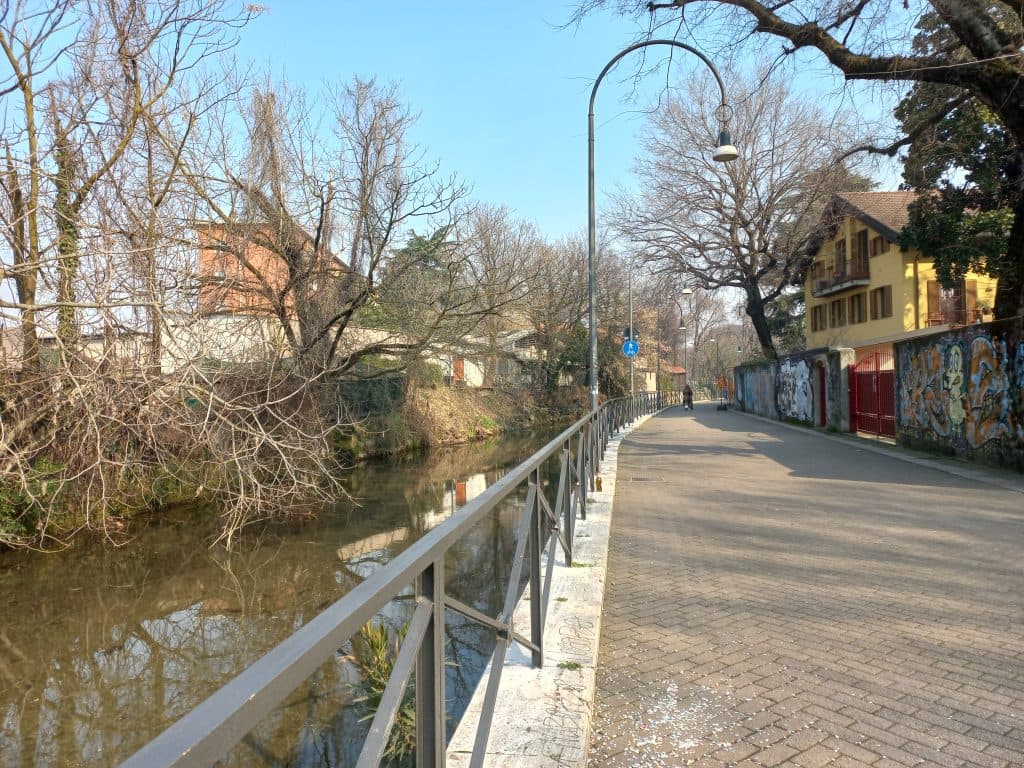
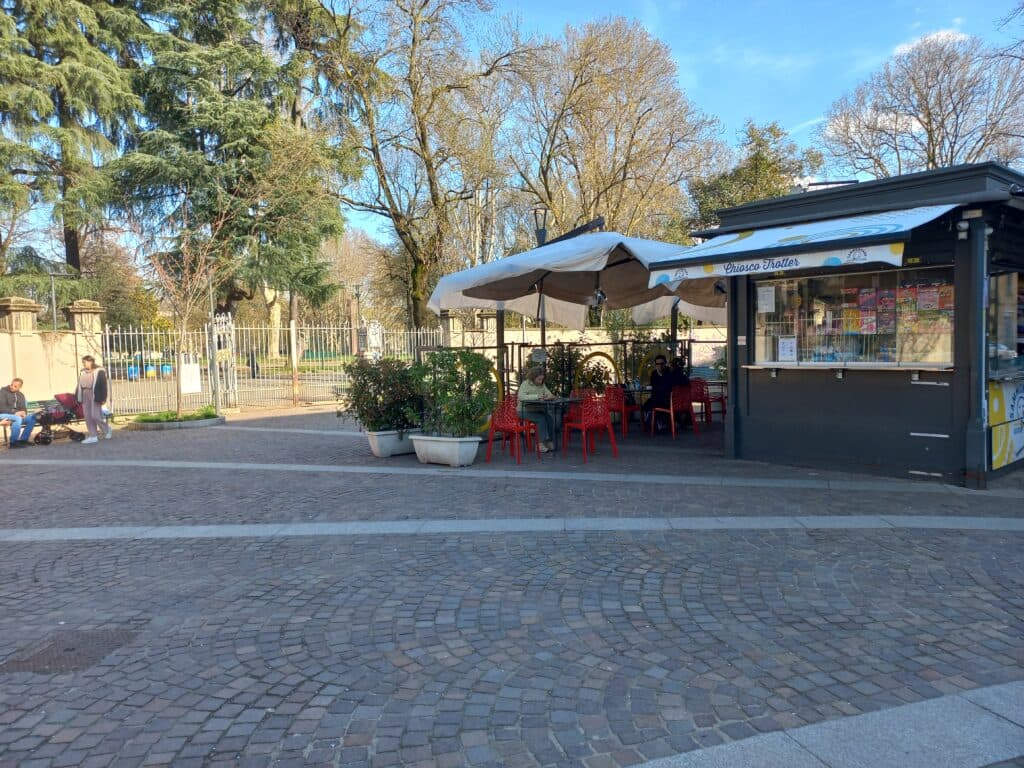
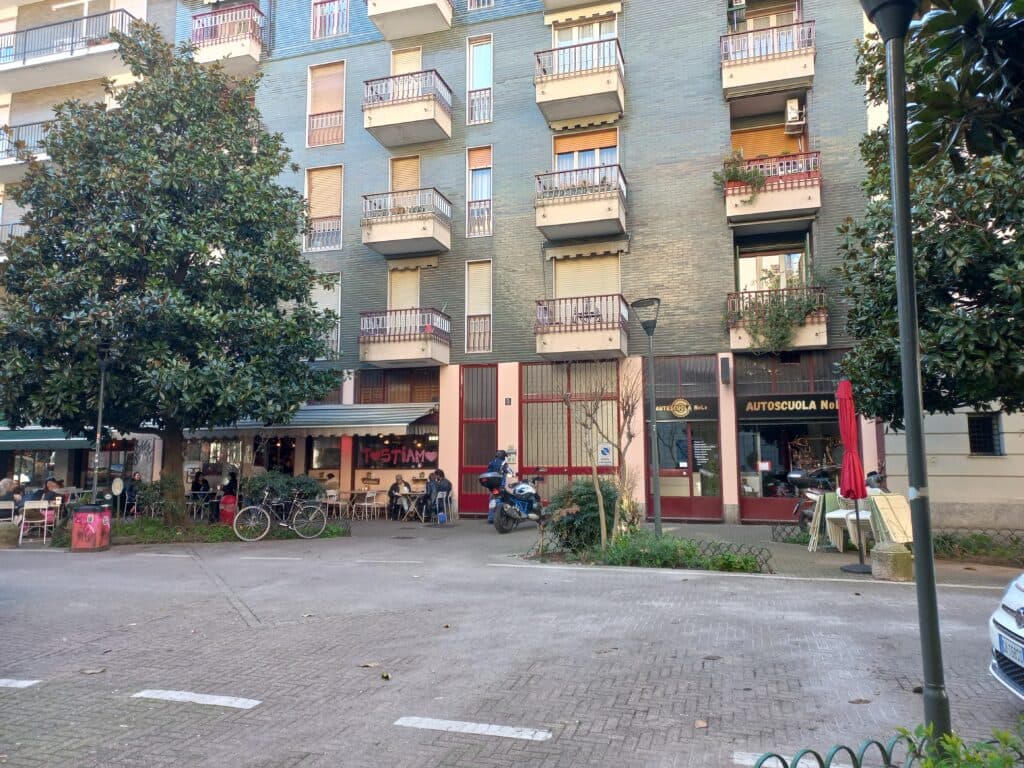
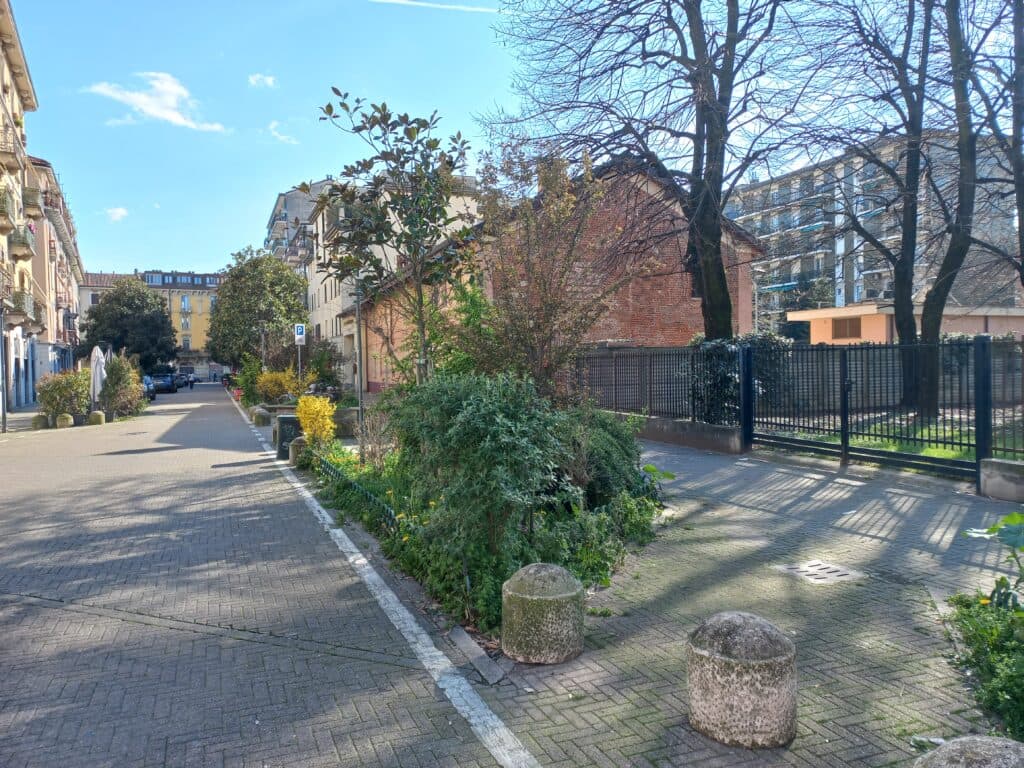
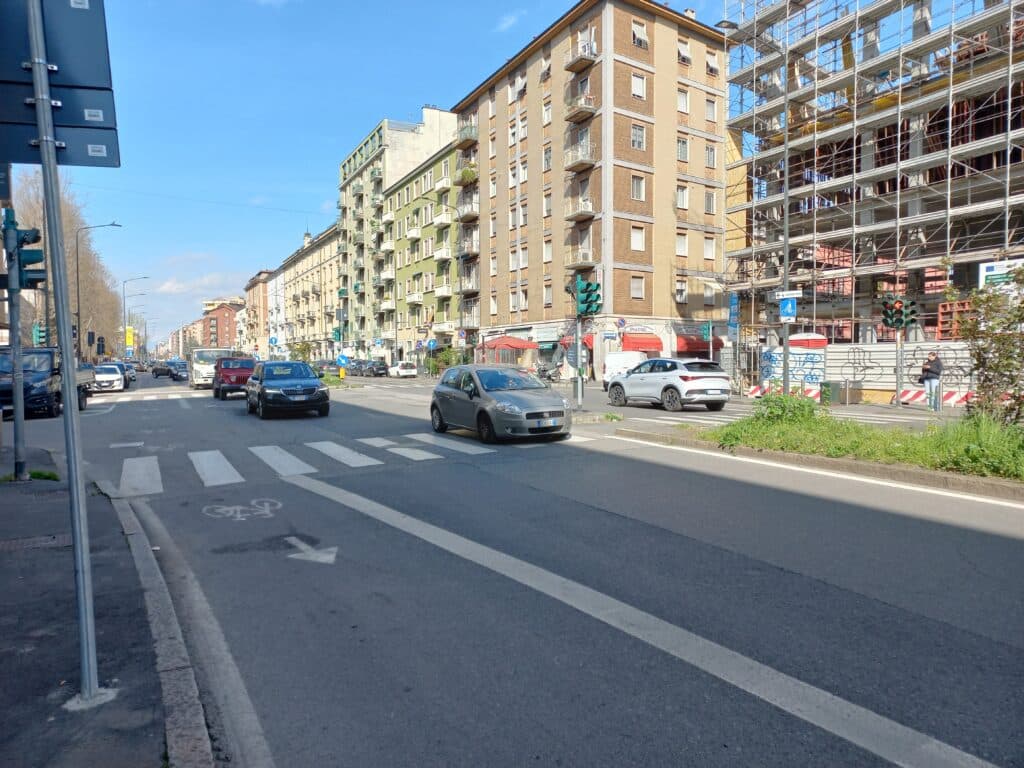
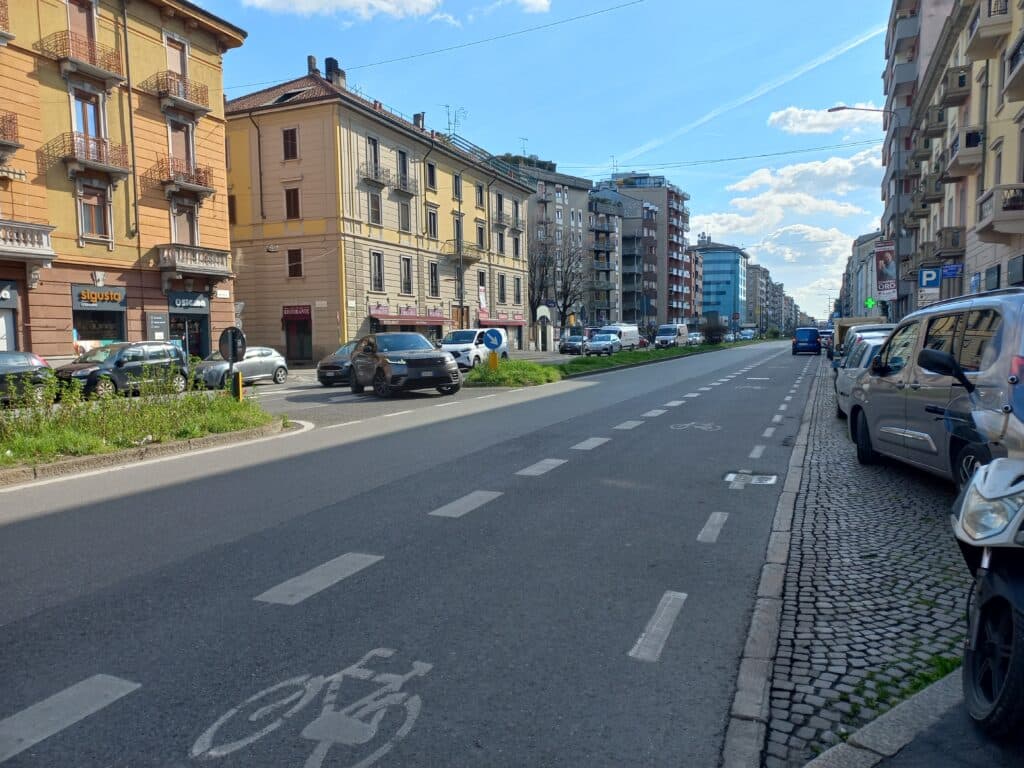
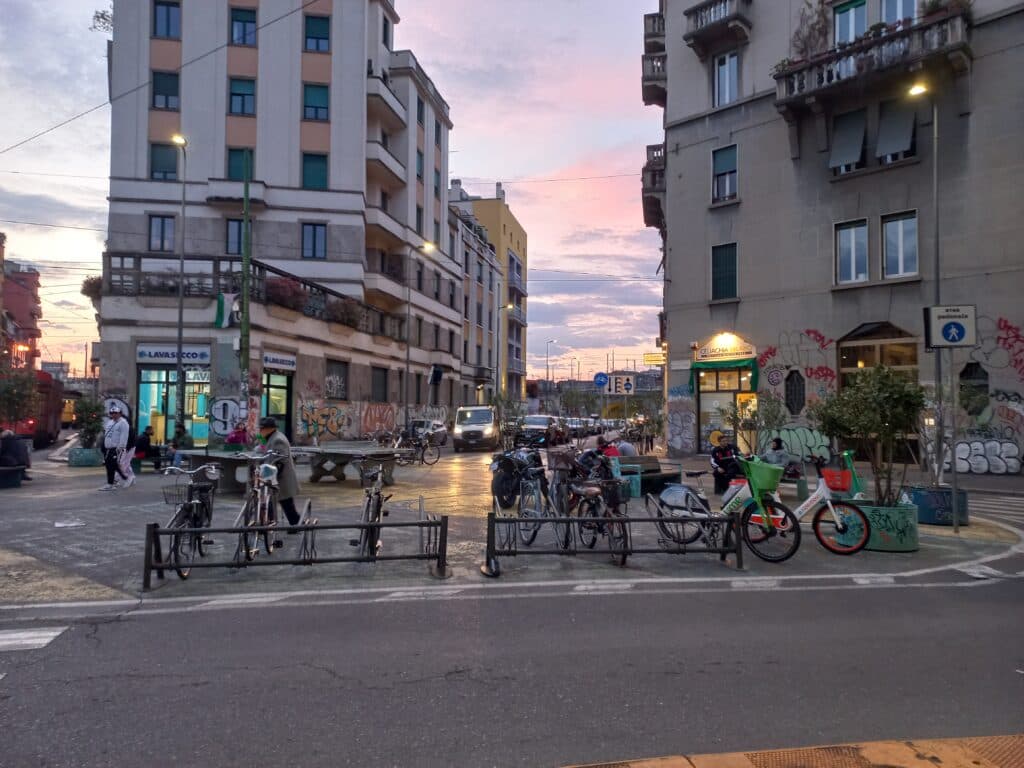
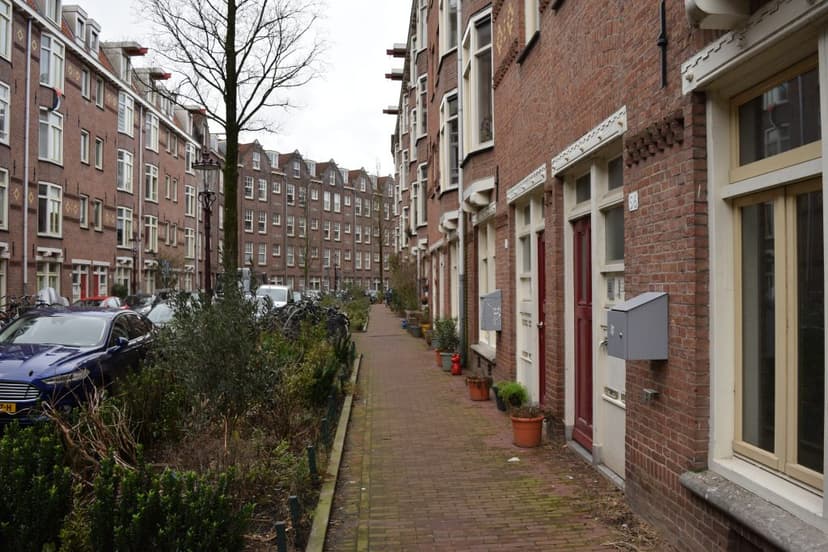
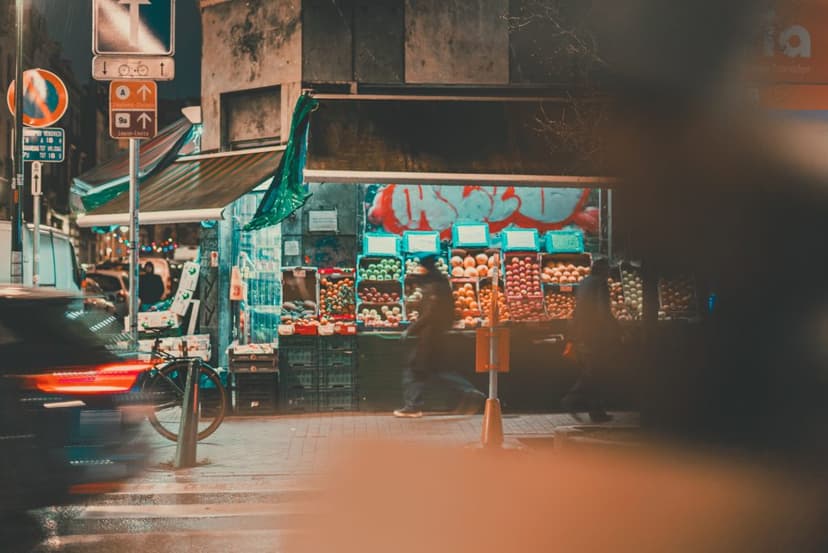
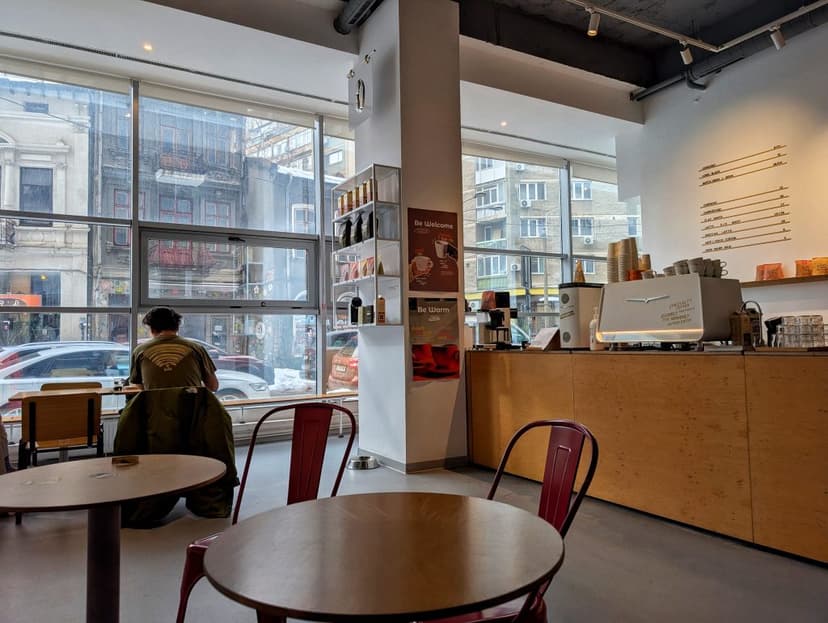
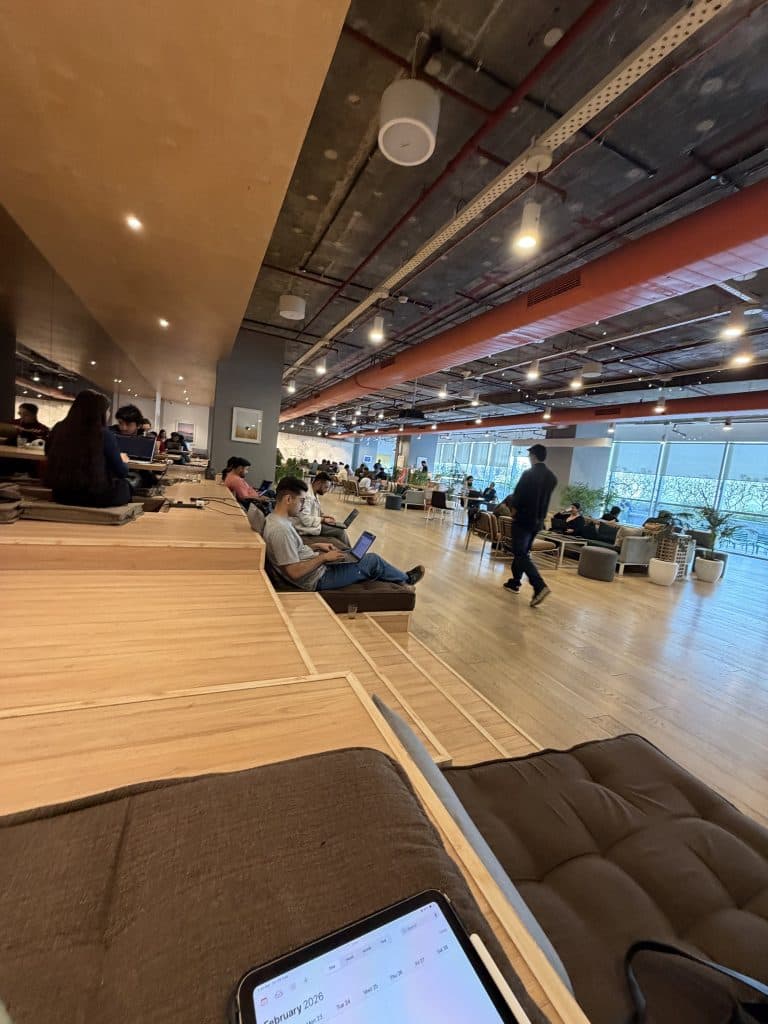
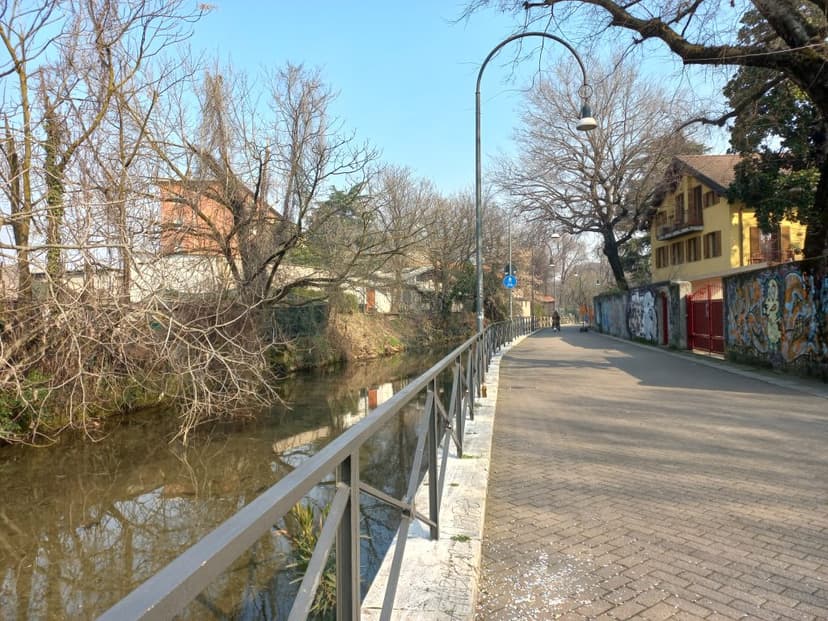
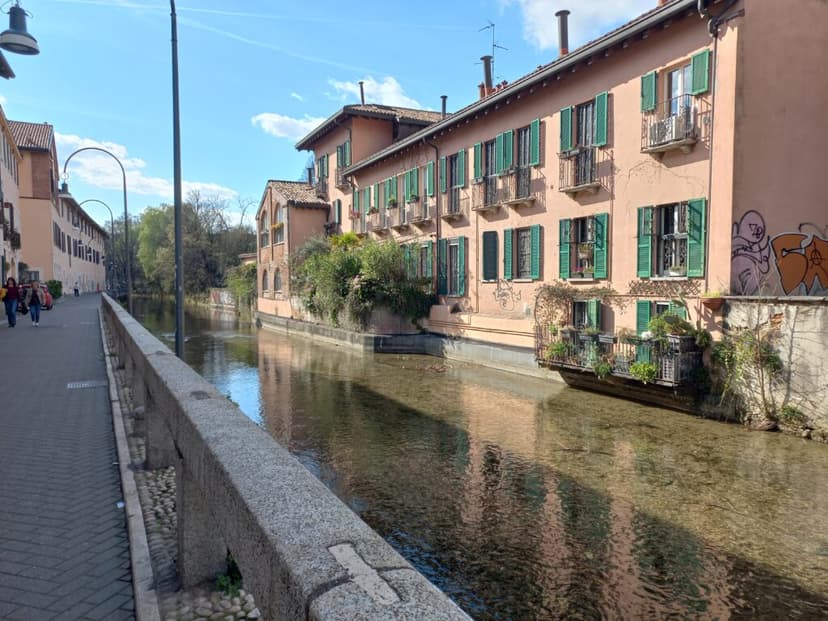
Fieldwork in Milan is conducted in the Martesana area, located in the north-east of the city. The neighbourhood extends along the Naviglio Martesana, a canal that connects central areas of Milan to the River Adda and the surrounding countryside. For much of the twentieth century, the urban section of Martesana was a working-class area whose population increased significantly with industrial development. The neighbourhood became an important destination for internal migrants arriving from southern Italy in search of employment in factories. Since the 1990s, it has also attracted migrant communities from North Africa and other parts of the world, contributing to the area’s socially and culturally diverse character. Over the past decade, the area has undergone significant processes of urban regeneration and gradual gentrification. Its walking and cycling paths, parks, and relatively affordable housing have increasingly attracted young professionals, freelancers, and families looking for alternatives to more central districts. Today, some parts of the Martesana area host cafes, bars, restaurants, and an increasing number of co-working spaces.
Related Blog Posts
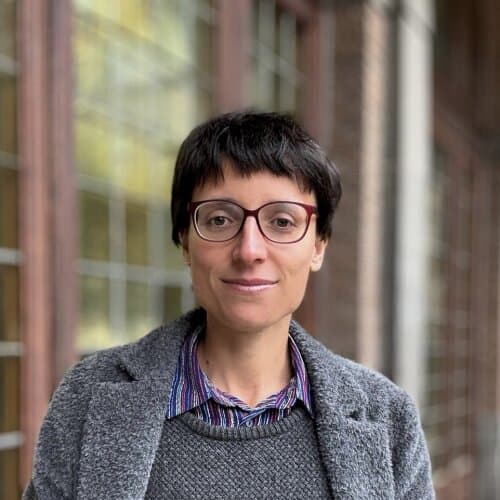
Elisabetta Costa (she/her) is a digital anthropologist. Her research focuses on how people’s everyday uses of media technologies change relationships, gender, politics, work, and mobility. She has conducted extensive fieldwork in Lebanon, southeast Turkey, and Italy. Her books include Social Media in Southeast Turkey (2016, UCL Press), How the World Changed Social Media (with Miller D. et al., 2016, UCL Press), and the Routledge Companion to Media Anthropology (co-edited with Lange P. G, Haynes N., and Sinanan J., 2022, Routledge).