
Remote Work in Motion: ReWorkChange at EASA 2026
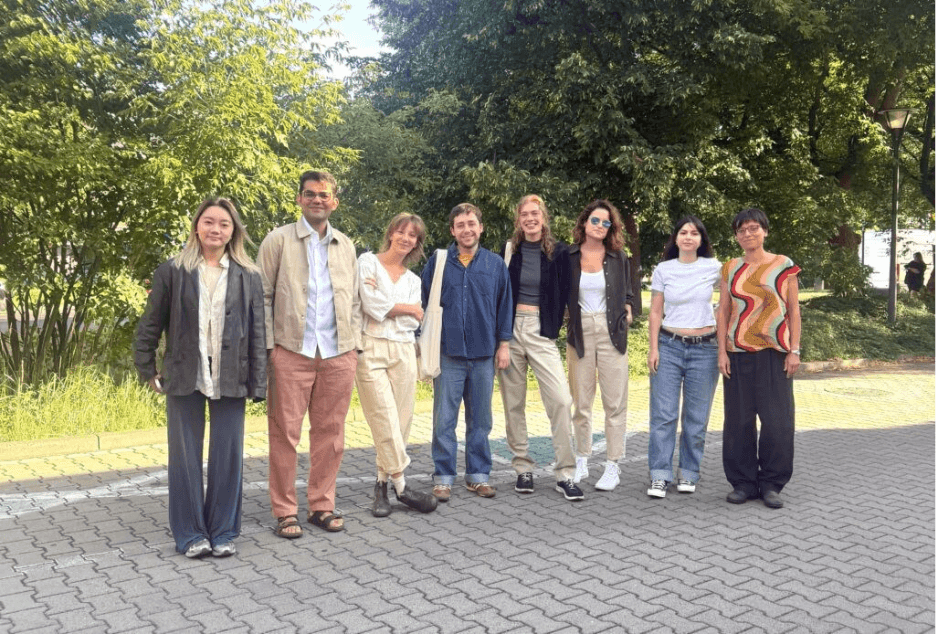
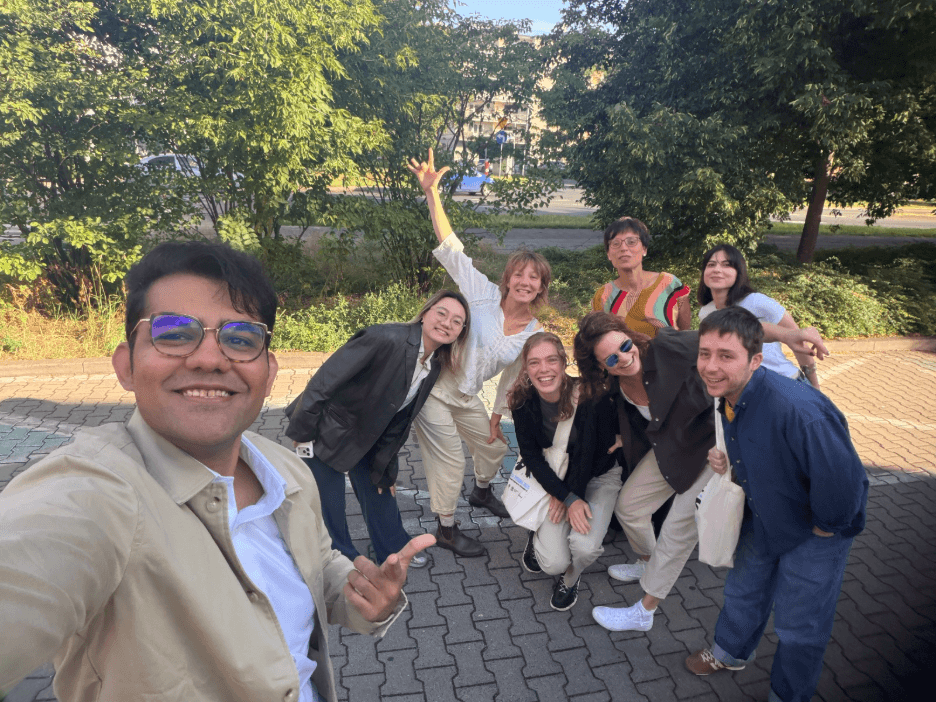
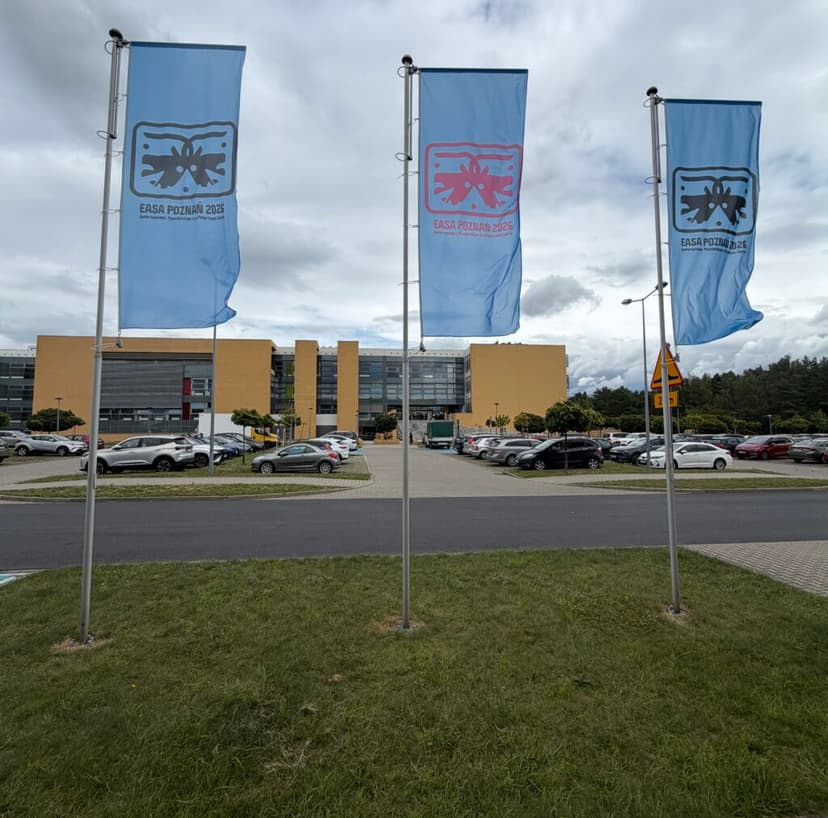
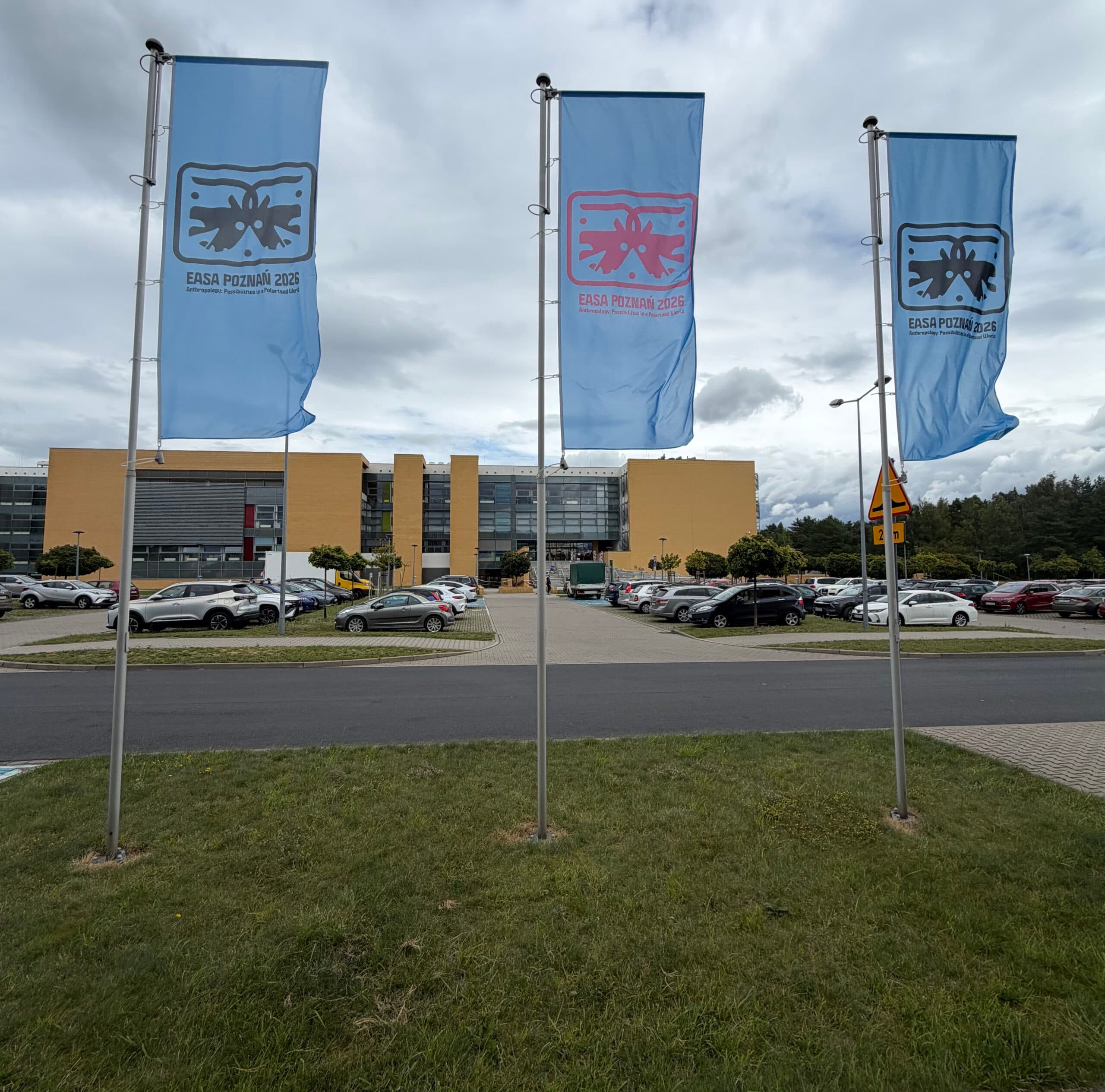
EASA 2026, held at Adam Mickiewicz University in Poznań from 21-24 July under the theme "Anthropology: Possibilities in a Polarised World", brought together 2,043 delegates across an extensive programme of panels, roundtables, laboratories, films, and plenaries. For ReWorkChange, the conference became an important moment of collective visibility and, more importantly, comparative reflection. All eight members of our team presented work emerging from field sites in Shanghai, Istanbul, Amsterdam, Gurugram, Bucharest, Mexico City, Milan, and Brussels.
Taken together, the presentations made visible connections that were less obvious when we viewed the field sites in isolation or presented them digitally during our monthly meetings. Across very different urban and social settings, similar questions kept resurfacing in our research. Where does work take place, who can move between spaces, how homes accommodate and absorb paid labour, how flexibility is shaped by gender and class, and how digital technologies reshape ideas of competence, productivity, and "good" work. EASA therefore became an important moment for seeing ReWorkChange as a collection of emerging parallel ethnographies. At EASA, we offered an early glimpse of our comparative questions emerging across the project, precisely through the differences between the eight field sites. The team's contributions were concentrated in three panels as follows:
1. The social life of remote work: Gender and social relations at/as work, presented by Xiaolin Li and Elif Hazal.
2. Redefining 'good work' in the age of platforms, AI, and digitally mediated labour, presented by Fiona Holdinga and Hitesh.
3. Remote work and (im)mobility: practices, relations and everyday politics, which included papers by Radu Mareș, Iris Pakulla, Elisabetta Costa, and Aleksandra Gracjasz.
Across these panels, remote work was described as a set of everyday practices with material conditions and their negotiations involving space, infrastructure, family, mobility, and technologies. That was probably the most useful comparative insight to emerge from the conference.
Gender and the social life of remote work
The first cluster of ReWorkChange papers appeared on the panel "The social life of remote work: Gender and social relations at/as work", co-convened by Xiaolin Li and Haichao Wang, with Daniel Miller as discussant. The panel approached gender and sociality as relations made and remade through labour. This was particularly important for remote work because moving paid labour into homes and third spaces disturbs the spatial divisions through which work, intimacy, and domestic responsibility have historically been organised.
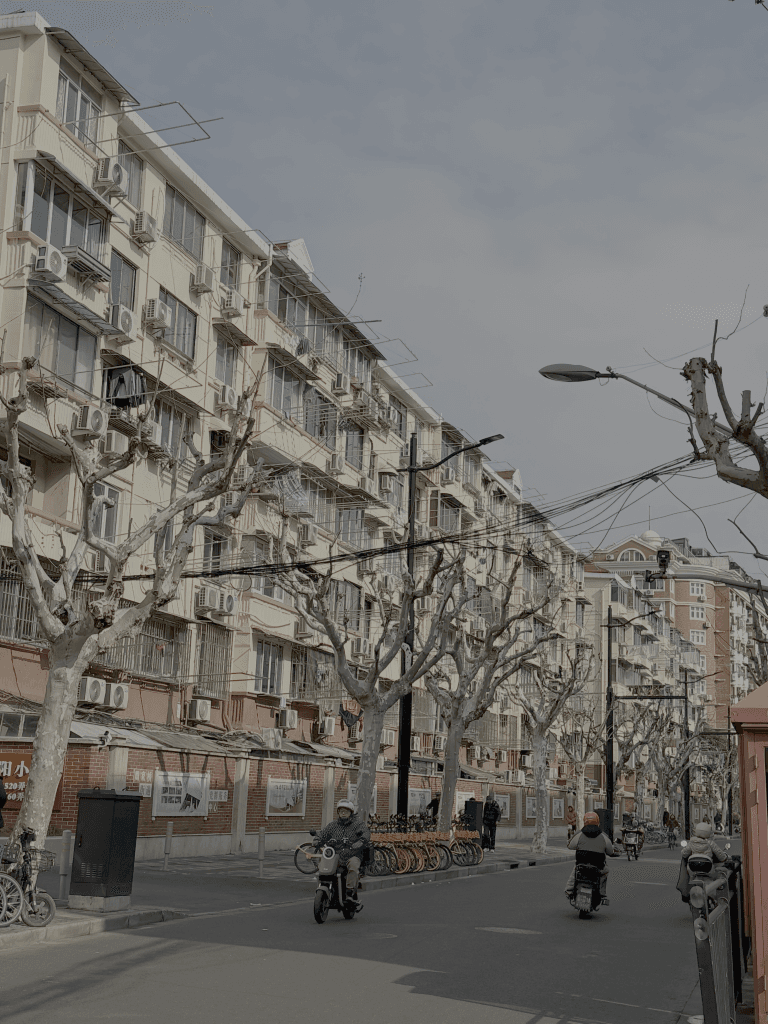
Xiaolin's paper, "Manhood at home: Masculinity, space, and remote work in urban China", examined male remote workers in Shanghai. Working from home or from third spaces unsettles a historically gendered distinction between men's orientation towards the public sphere of work and women's association with domestic and caring life. Yet physical presence at home does not automatically redistribute domestic responsibility. Xiaolin followed how men negotiate home offices, care, intimacy, friendships and the strategic use of cafés and coworking venues, using remote work as an ethnographic opening onto changing forms of masculinity. The significant question becomes what kind of presence their being at home produces.
Elif's paper, "Gendered influencer practices: Content creation between home and public spaces in Istanbul, Turkey", approached the entanglement differently. Drawing on rich ethnographic detail from Kurdish influencers in Istanbul's Esenyurt district, she examined digital content creation as work that moves continuously between domestic and public spaces. Homes, streets, friendships, family relations, and intimate life can all become resources for producing online content. Gendered expectations consequently shape where and how content can be made, what can be shown, and how public visibility is negotiated alongside private relationships.
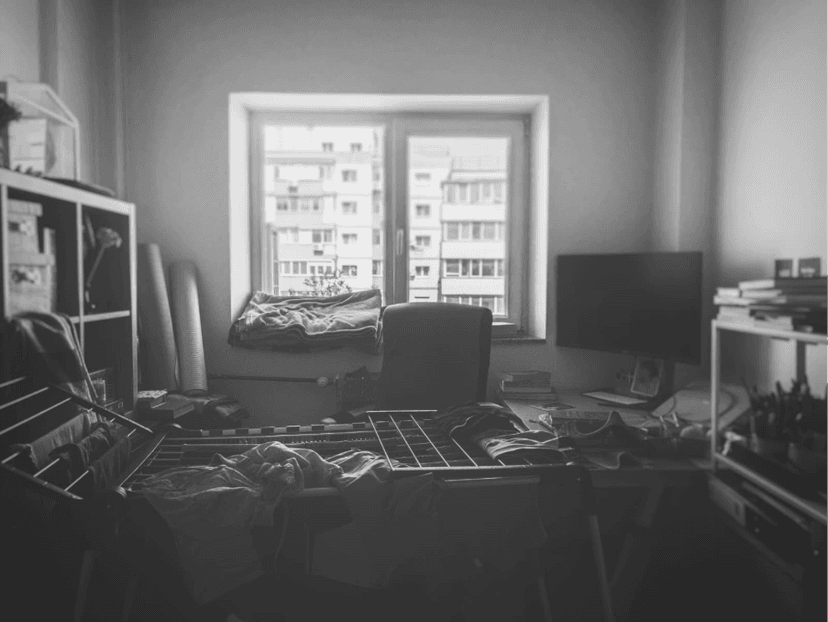
Placed side by side, the Shanghai and Istanbul cases complicated any straightforward idea that remote work simply brings work "into the home". It shows how home is already organised through gender, generation, and expected obligation.
Good work, place and AI
A second conversation developed around the panel, "Redefining 'good work' in the age of platform, AI, and digitally mediated labour", co-convened by Fiona Holdinga and Yichen Rao. The panel asked how platforms, AI systems, and other digital technologies reshape ideas of autonomy, productivity, care, and value. For ReWorkChange, this brought Amsterdam coworking spaces and their "good work" into conversation with AI-mediated knowledge work in Gurugram, showing how moral codes shift with the everyday use of LLMs.
Fiona's paper, "Good Work and the Morality of Place: Hybrid and Remote Labour in Amsterdam Co-working Spaces", examined how workers construct ideas for a "good workplace" and a "good workday". According to her research, coworking spaces provided atmosphere, sociability, aesthetics, bodily comfort, and particular imaginaries of productive life. Decisions about where to work consequently become affective and moral decisions. A working day's success can be felt through a place's qualities. It must bring enough interaction without distraction, comfort without lethargy, and a sense that one has used one's time properly.
Hitesh's paper, "The Changing Praxis of Understanding and the Moral Economy of 'Good Work ': AI-Mediated Labour among Remote and Hybrid Knowledge Workers in Gurugram", moved the question of good work into everyday encounters with large language models among remote and hybrid workers in Gurugram. Leaving the philosophical queries of whether an AI system genuinely "understands", the paper asked what happens to understanding as a human practice once generative AI becomes routine in knowledge work. Through ethnographic cases, understanding appeared increasingly distributed across prompting, bounding, checking, and verifying.
Amsterdam and Gurugram point to a shared yet different change in the moral economy of good work. In both sites, ideas of "good work" are being remade by changing conditions of work. In Amsterdam, the spread of hybrid work shifts attention towards where work should happen and what kinds of spaces make a working day feel worthwhile or productive. In Gurugram, the growing use of generative AI changes what counts as understanding, competence, responsibility, and authorship. Across both sites, the moral terms people use to recognise work as good, proper, or professionally valuable are themselves being reorganised.
Mobility, class, and belonging
The panel Remote work and (im)mobility: practices, relations and everyday politics, co-convened by Fabiola Mancinelli and Elisabetta Costa, brought together four ReWorkChange team members across its two sessions. It asked what happens to mobility when work is no longer anchored to the conventional workplace, and how the apparent freedom to work from elsewhere remains shaped by class, housing, citizenship, infrastructure, and access to resources. These questions also echoed wider discussions within the project, especially in our monthly meetings, where mobility has repeatedly emerged in relation to home, third spaces, family obligations, infrastructure, and the uneven possibilities of working from elsewhere.
Radu's paper, "Between Home and Café: Uneven mobilities of remote workers in Bucharest", followed workers moving repeatedly between domestic space and cafés. Housing size, shared households, isolation, cost, and aspirations toward a particular kind of flexible life shaped this movement. Cafés could solve problems created by inadequate domestic working conditions, but access to them was itself classed. Radu focused on movement between home and café, tracing what prompted people to move, and how that movement became part of the organisation of remote work.
Iris's "Re-imagining class in a neighbourhood in Mexico City" expanded mobility beyond physical movement. Her ethnography examined households combining platform-mediated work, manual production, social media, and care. Through in-depth interviews and participant observations, she showed how homes could become bakeries, workshops, or digital marketplaces, while people moved in and out of class positions as incomes and forms of labour changed. As she described, physical, virtual, and social mobility were inseparable, showing how class is continually reproduced through relations of labour, aspiration, kinship, and care.
Elisabetta's "Remote work and workaway as new markers of social distinctions in post-Fordist Italy" examined another version of mobility: middle- and upper-class workers in Milan able to spend summer periods working remotely from seaside or mountain locations. Here, leaving the city becomes a form of distinction. She showed how the ability to escape Milan's heat and urban discomfort while remaining professionally connected depends upon occupational flexibility, property, and economic resources. Contemporary "workaway" practices thus extend older classed histories in which access to second homes and long summer stays outside the city marked social privilege.
Aleksandra's "Remote work and a sense of belonging: perspective of migrants in Brussels, Belgium" problematised "belonging" among "highly" skilled and relatively privileged migrants in Brussels. Focusing on remote workers who move through cafés, coworking spaces, and public libraries, her paper asked what it means to speak of "belonging" when participation in urban life is often mediated by mobility, professional privilege, and access to commercial third places. Rather than treating belonging as an uncomplicated outcome of repeated presence, her paper examined the kinds of urban attachment that become possible when being part of the city is shaped by consumption, temporary forms of participation, and the uneven conditions under which migrants can occupy and use urban space.
Together, these papers showed mobility as a relational capacity. Some people move because their homes cannot accommodate work; others move because wealth and property allow them to leave the city altogether. Some movement generates belonging, while other forms depend upon the possibility of remaining digitally connected while physically absent. Remote work redistributes mobility, but it does not distribute it equally.
Conclusion
EASA's broader theme asked what possibilities anthropology might offer in a polarised world. The ReWorkChange contributions addressed this through the ordinary differentiations of everyday working life: those who can move and those who cannot; paid work and care; domestic and professional space; human and machine contribution; belonging and exclusion. Yet the ethnographies also complicated these apparent oppositions. People or interlocutors from our ethnographies, in-depth (and app) interviews, etc., were rarely simply mobile or immobile, autonomous or controlled, at home or at work. Their lives were assembled through partial freedoms, dependencies, infrastructures, and obligations.
EASA 2026 marked an important moment when individual ReWorkChange fieldwork began to speak to one another in public. Together, the papers made visible an emerging comparative argument that remote work is transforming social life because relations between work and place are being reorganised and made visible in new forms and practices. Following these relations ethnographically takes us beyond the language of flexibility and technological innovation and towards the everyday remaking of homes, workplaces, moralities, mobilities, gender relations, class distinctions, and forms of belonging around digitally mediated work.
Report written by Hitesh.
P.S. Last day at EASA