
Remote Work and Social Change: Reflections from the ReWorkChange Launch Workshop
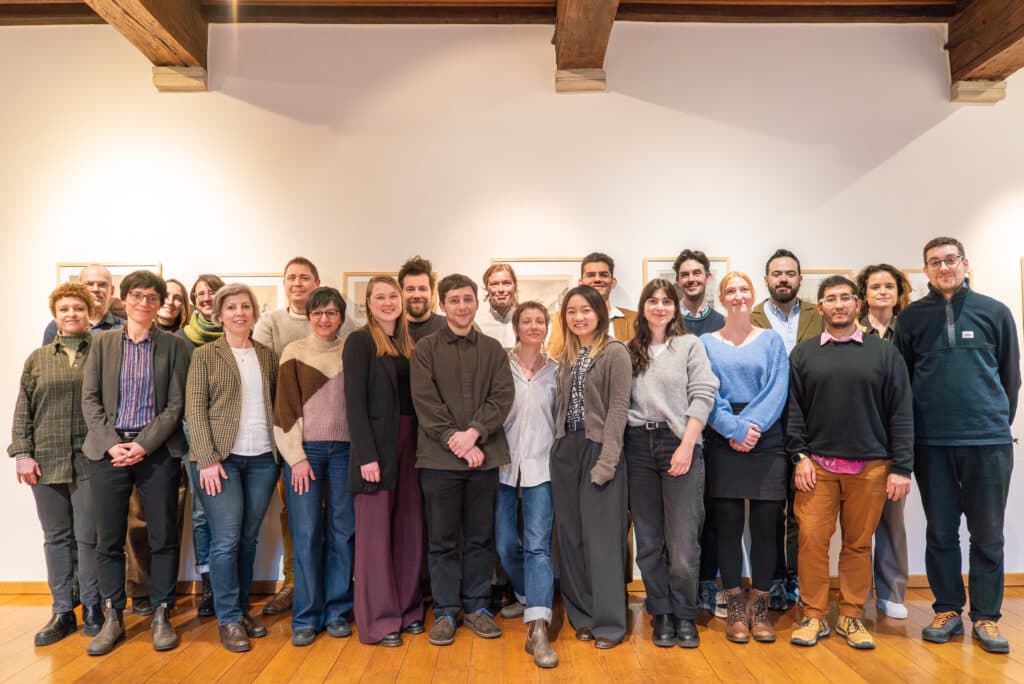
The ReWorkChange workshop, held on 20–21 January at the University of Antwerp, marked the official launch of the ERC-funded project Remote Work and Social Change. Bringing together scholars from anthropology, media studies, and related fields, the workshop created a space for sustained reflection on how remote and hybrid work are transforming everyday life across different social and geographical contexts.
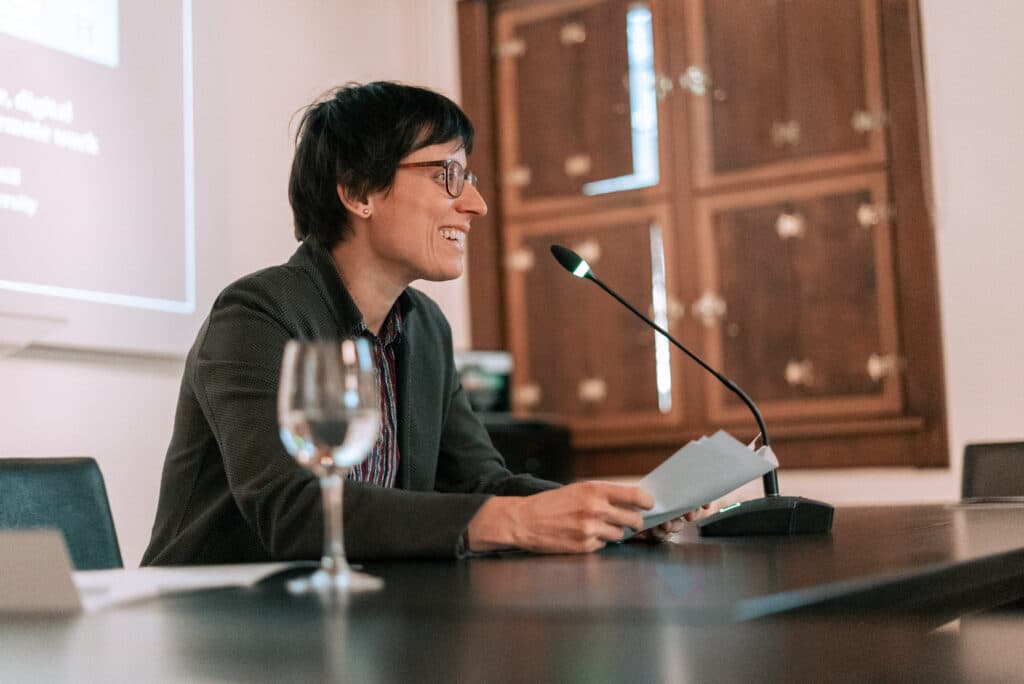
The opening session, led by Elisabetta Costa, set the tone by asking a central question: what kinds of transformations has remote work made possible, and how can these be studied ethnographically? Four key objectives were outlined, focusing on understanding the social, spatial, and relational consequences of digitally mediated labour. Across the two days, discussions unfolded around three core domains: (im)mobility, places of work, and gendered transformations of home.
John Postill’s keynote provided a strong theoretical grounding, particularly through his discussion of diachronic ethnography and practice theory. He emphasised the importance of tracing “concrete changes” rather than focusing on abstract notions of “social change,” highlighting how practices as concrete observations evolve through shifting constellations of people, technologies, and environments. This perspective encouraged participants to think historically and relationally, while remaining attentive to what ethnography can reveal about hidden or overlooked dynamics.
Several presentations explored how remote work reconfigures time, space, and social relations in specific contexts. Discussions on commute time, for instance, showed how workers reclaim and repurpose time previously spent travelling, often extending work into leisure in new ways. Other contributions examined coworking spaces, digital nomadism, and urban imaginaries, highlighting how cities are increasingly reimagined as “plug-and-play” destinations for mobile professionals.
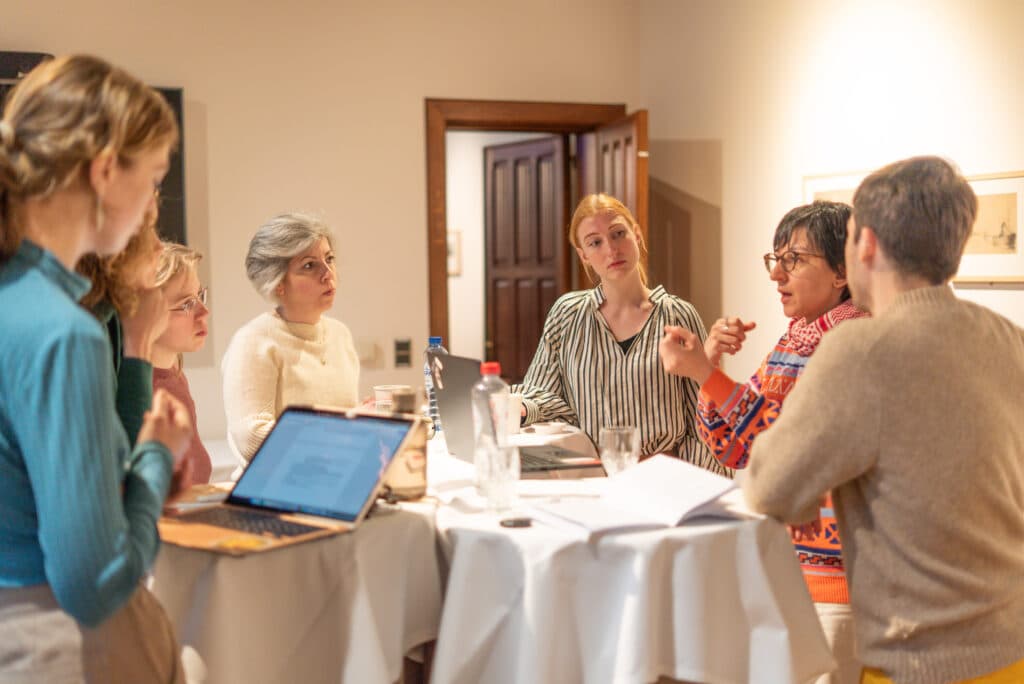
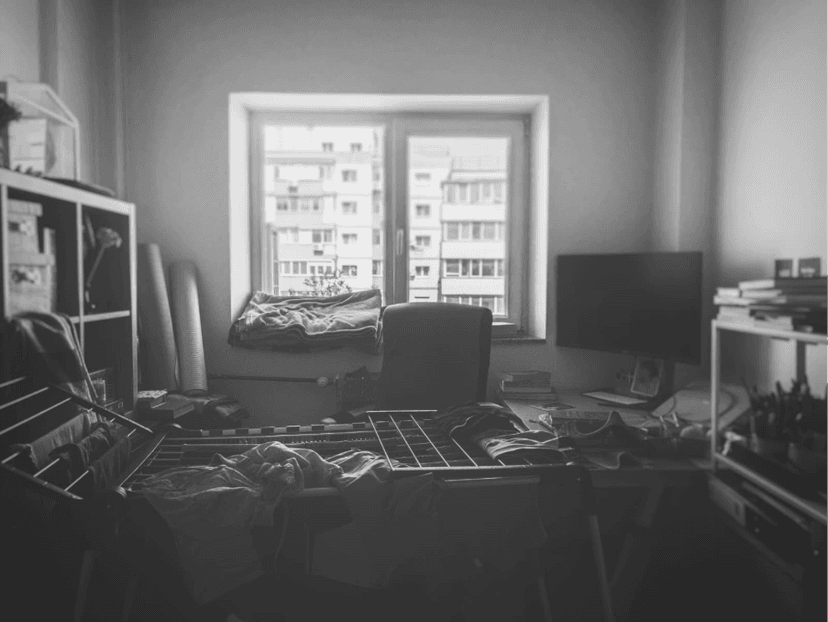
Questions concerning care, gender, and domestic life were central throughout. Presentations on home-based work, informal economies, and women-led online businesses illustrated how the home becomes a site of both opportunity and struggle. These discussions foregrounded how digital labour reshapes household dynamics, often intensifying existing inequalities while also opening new forms of autonomy.
Before conclusion, the keynote by Yiğit Soncul offered a critical reflection on digital exhaustion in the age of constant connectivity. He framed exhaustion as a socio-material and structural condition, shaped by class, labour expectations, and the blurring of boundaries between work and leisure, moving beyond simplified causal explanations that link digital technologies directly to burnout. By questioning dominant narratives of productivity and individual responsibility, his talk provided a fitting close to the workshop, encouraging participants to think critically about whose interests such narratives serve and how they shape contemporary experiences of work.
Overall, the workshop highlighted the situated ways in which remote work unfolds across contexts, shaped by local histories, infrastructures, and social relations. As the project now moves into its fieldwork phase across eight international sites, the discussions have helped sharpen research questions, refine methodological approaches, and establish a strong comparative framework. The workshop marked the launch of the project while also laying the foundation for a collaborative and critically engaged exploration of remote work and its broader social implications.