Brussels
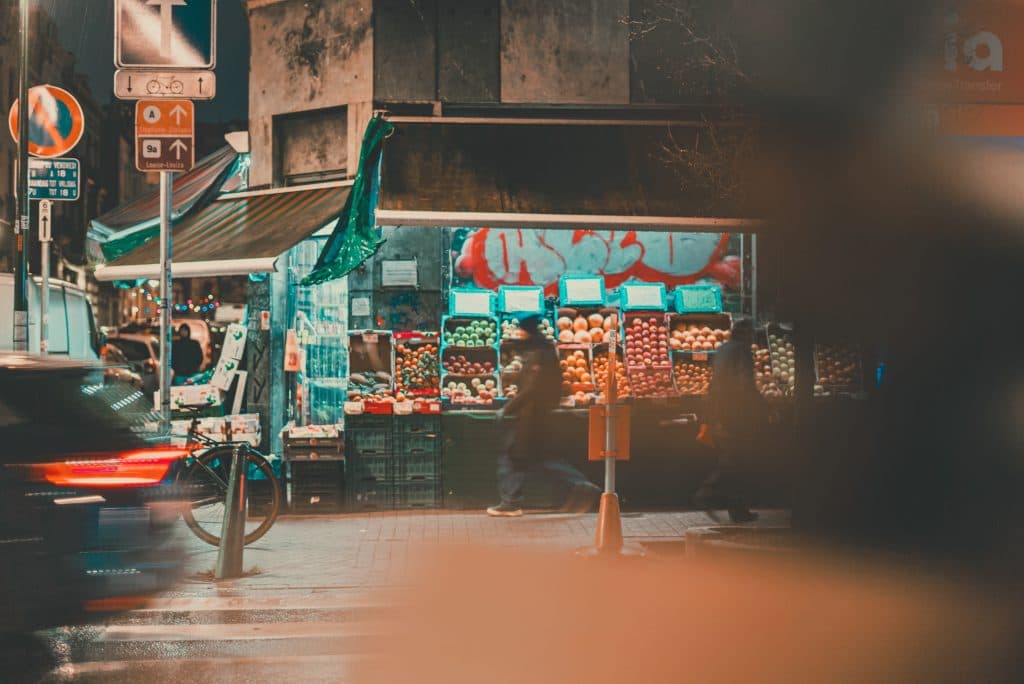
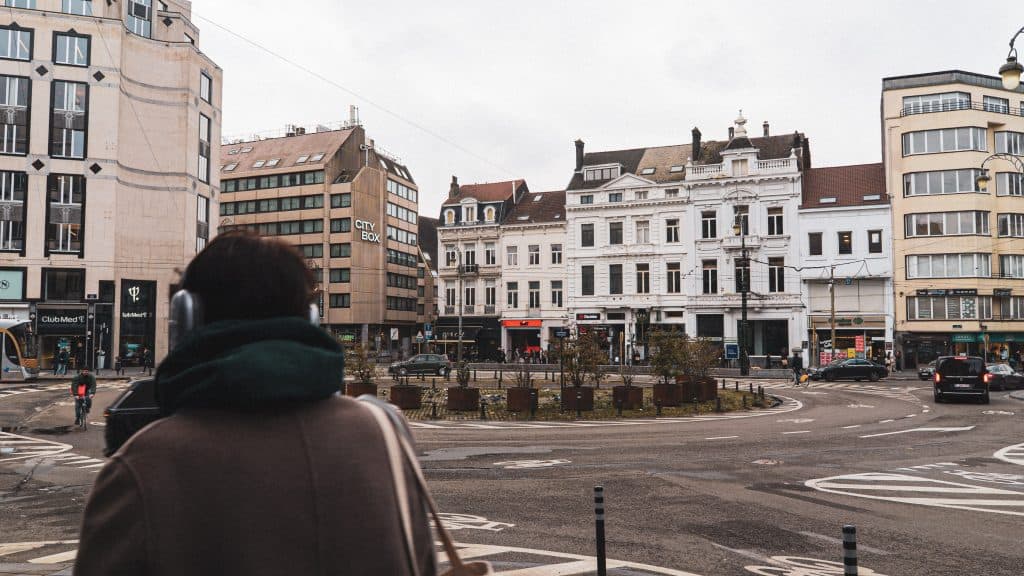
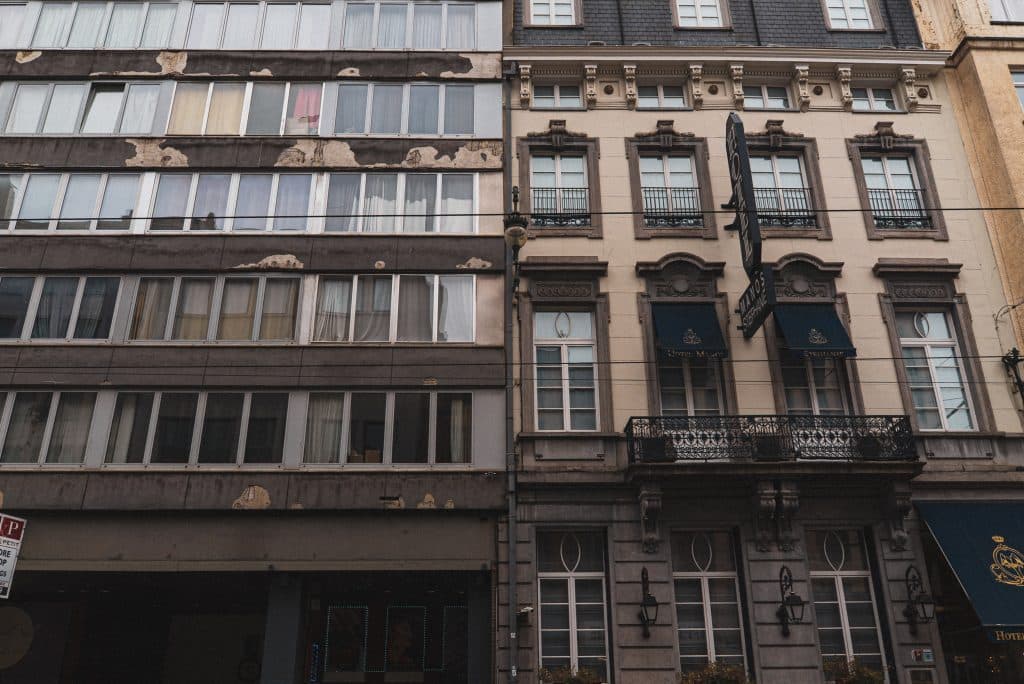
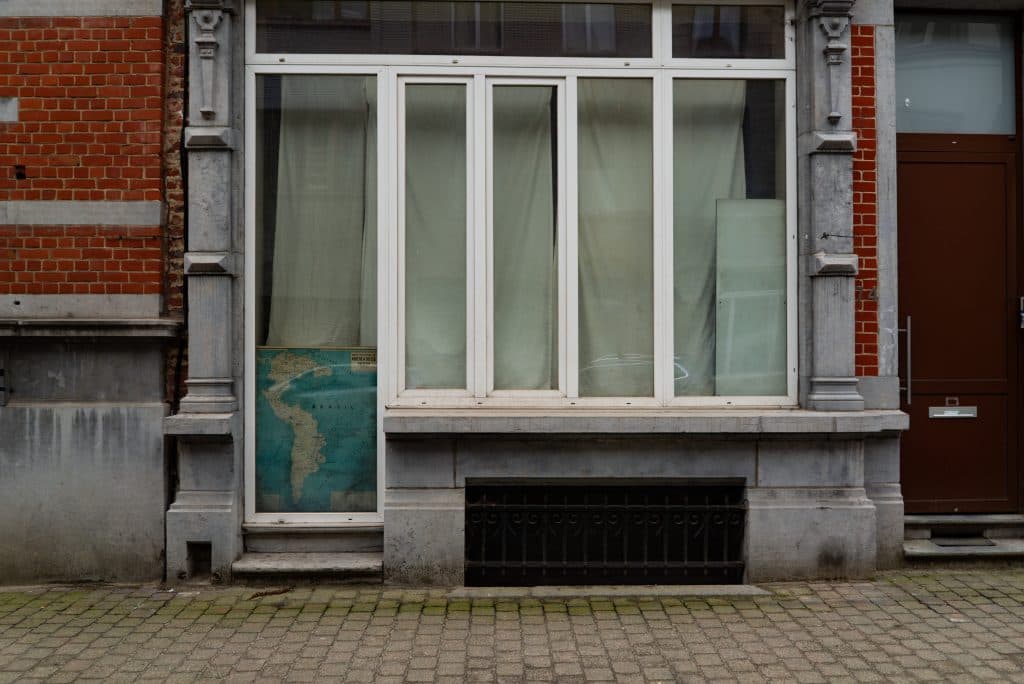
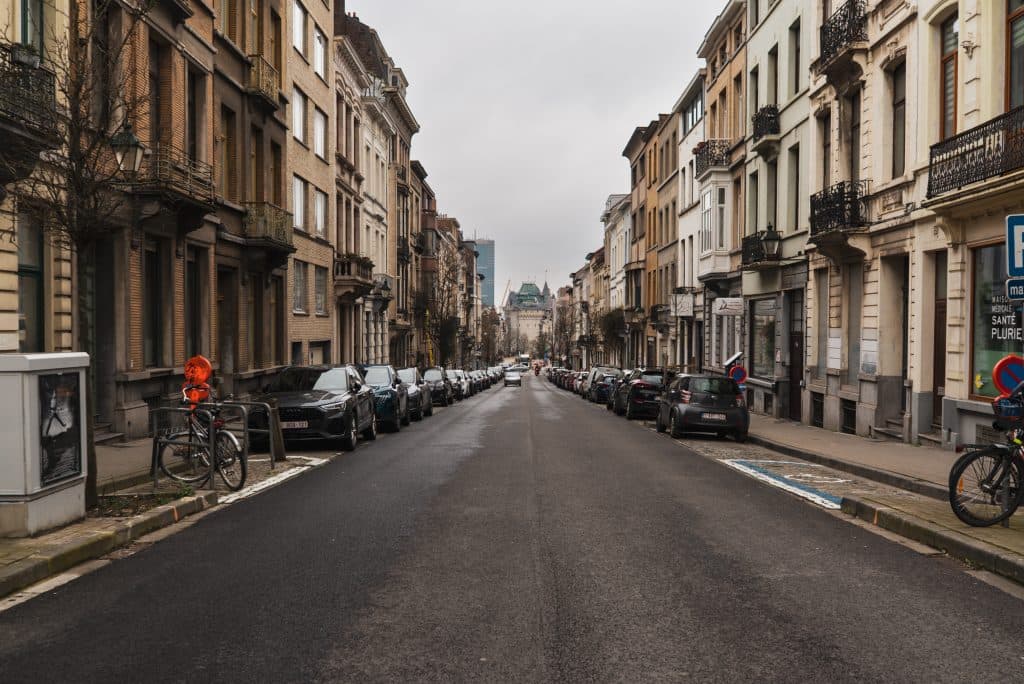
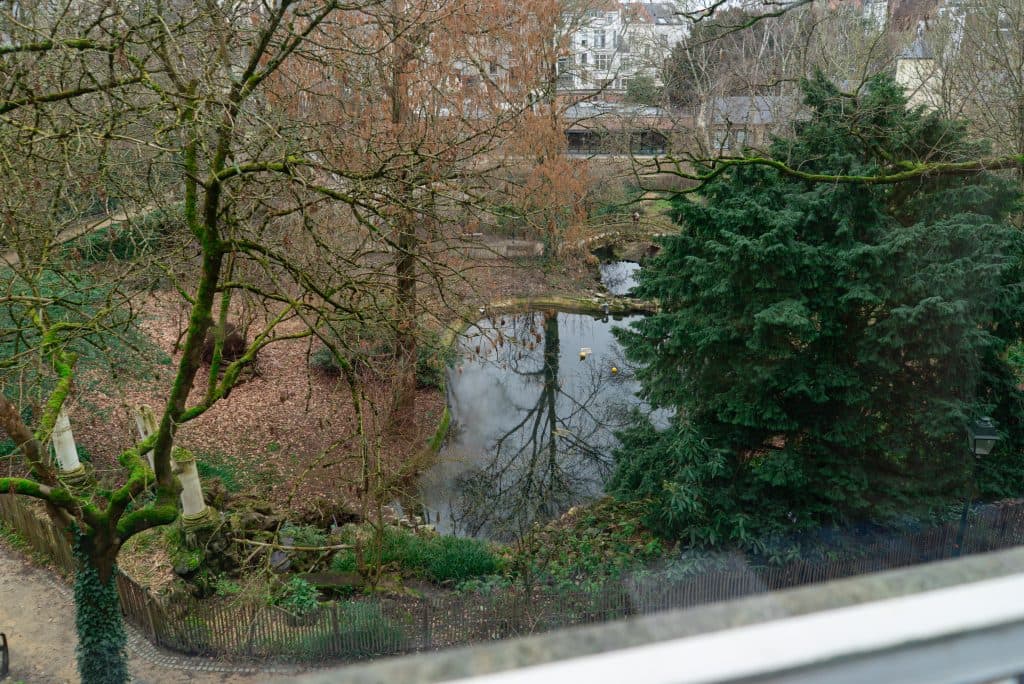
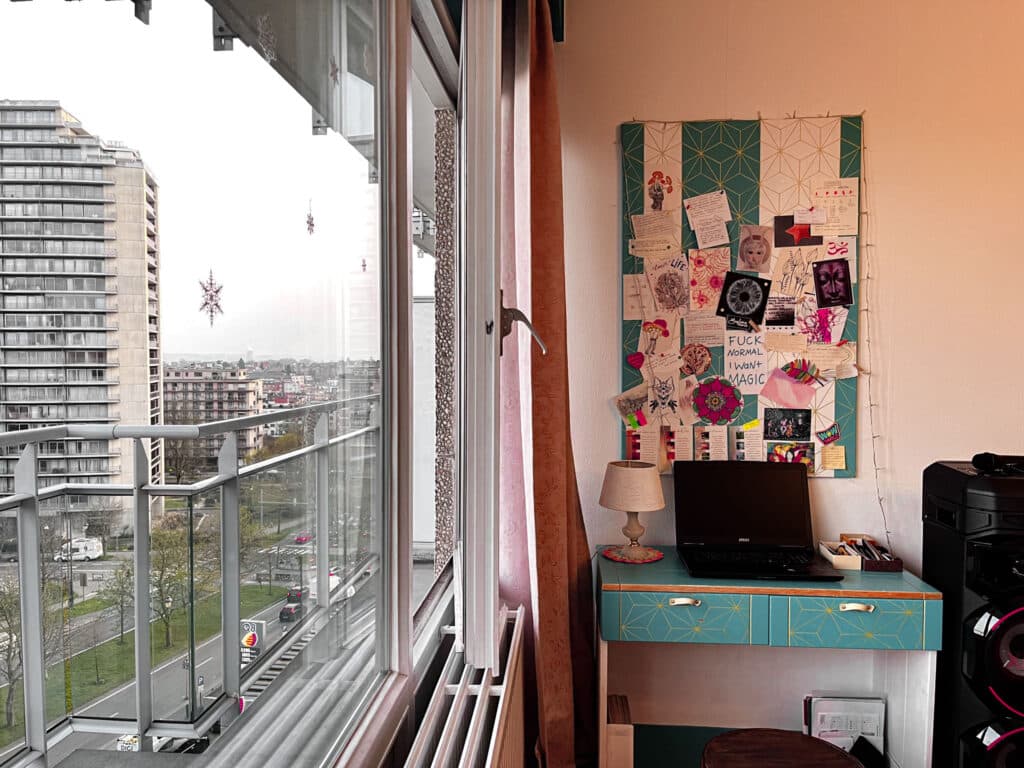
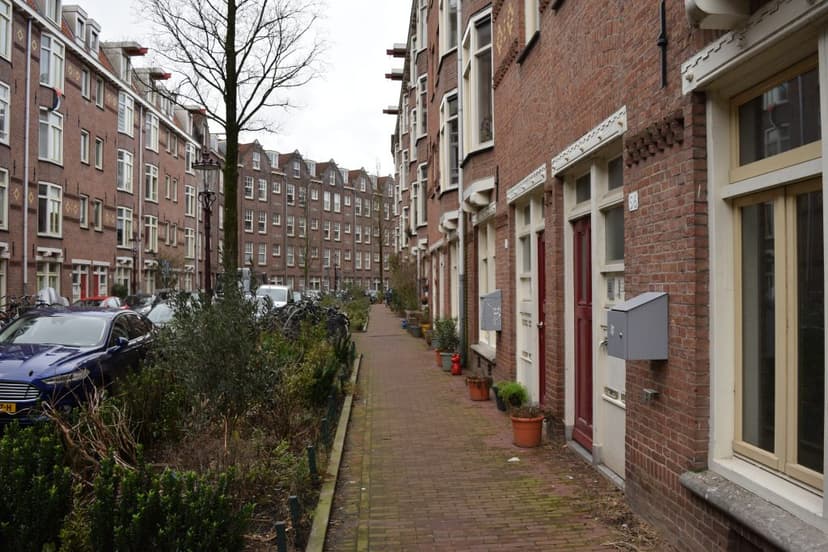
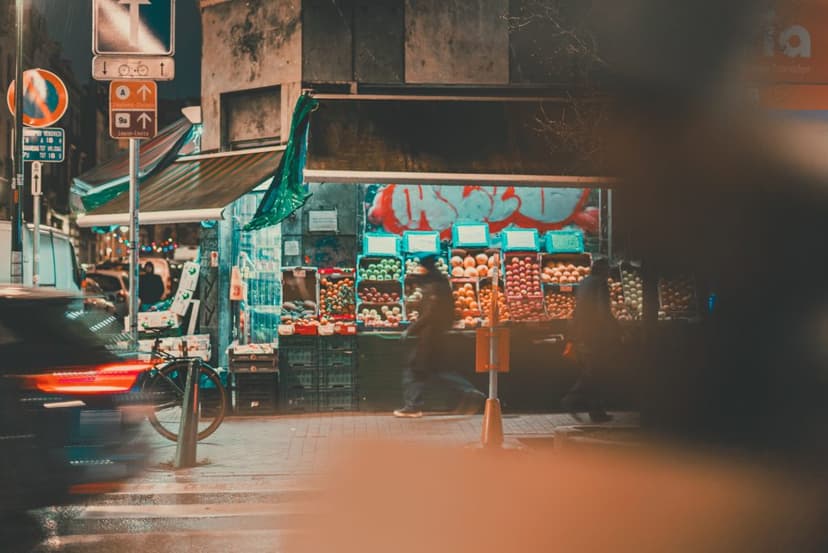
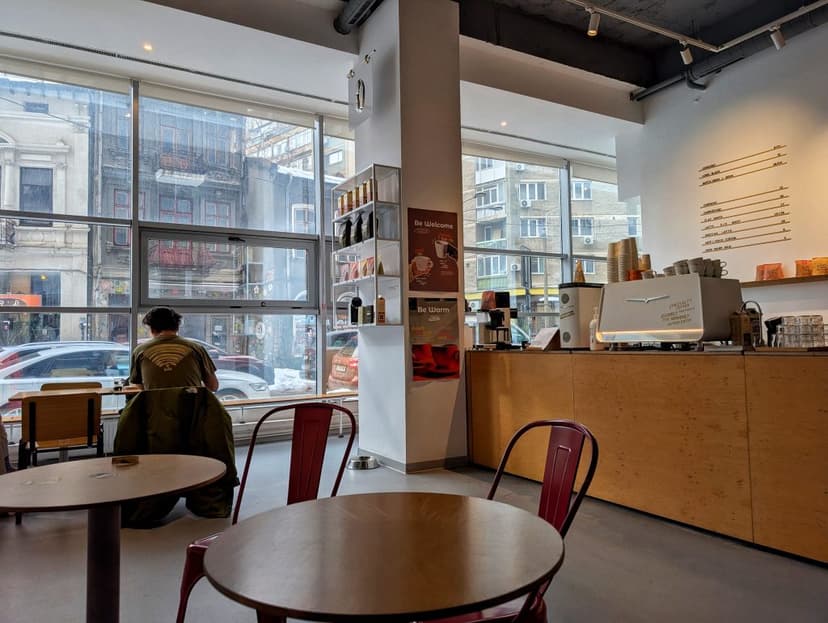
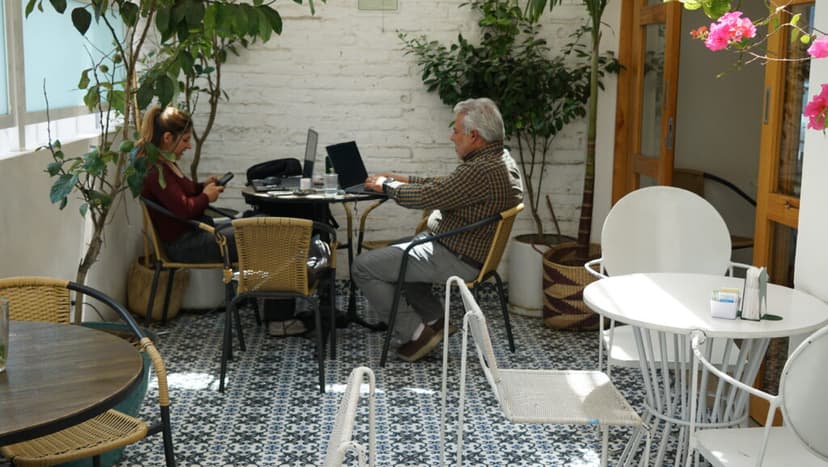
Fieldwork in Brussels is conducted in the neighborhood of Saint Gilles, one of the 19 municipalities of Brussels. Located in the southern part of the city, it adjoins the city centre and hosts Gare du Midi (Brussels South Station) - a crucial arrival/departure point for local and international travel. It is the second smallest municipality yet one of the most densely populated, with around 50,000 inhabitants. Sint Gilles is known for its rich architectural Art Deco heritage and diverse cultural atmosphere, as it is home to the largest migrant population of any Brussels municipality, including French, Greek, Moroccan, Polish, Spanish, Portuguese, and Brazilian communities. The heart of this neighborhood is an elongated square called Parvis de Saint Gilles, which hosts regular open-air markets and is lined with numerous cafés. Many of these welcome people who need to work on their laptops.
Traditionally, Saint Gilles is divided into two parts: the lower, poorer area around the train station (bas Saint-Gilles), which remains predominantly working class and offers affordable housing, and the upper, wealthier part near the Town Hall (haut Saint-Gilles), with higher-end rental prices. This differentiation has given the municipality a heterogeneous mix of social classes. Perhaps due to the availability of both types of housing, Saint Gilles has become increasingly popular in recent years, thereby contributing to gentrification and rising living costs.
Related Blog Posts
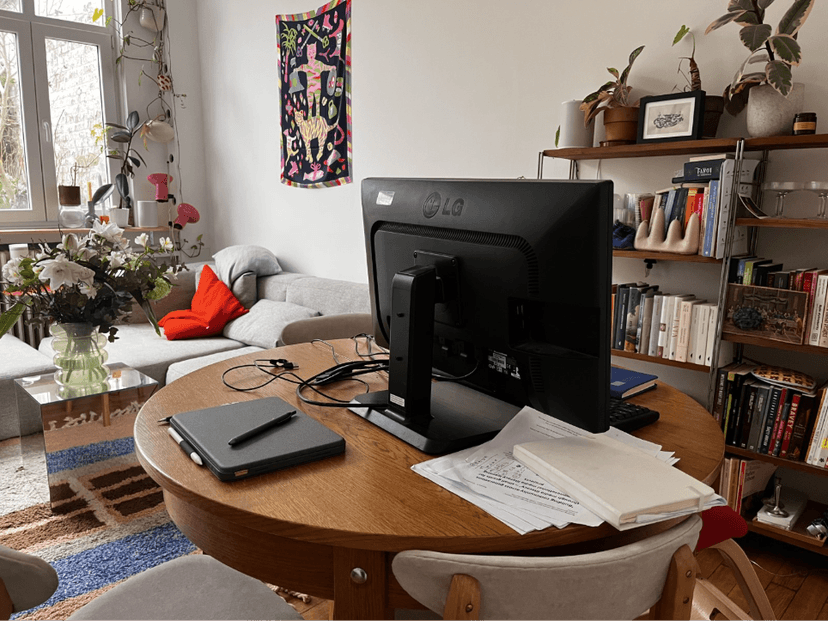

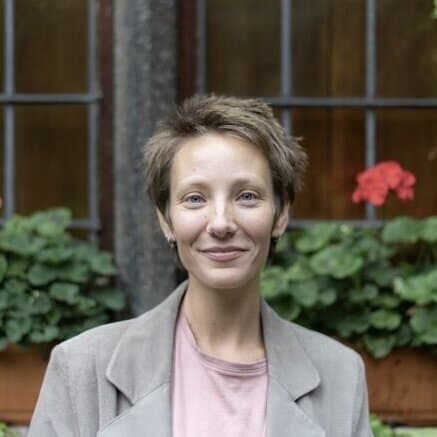
Aleksandra (Ola) Gracjasz (she/her) holds a PhD in Cultural Anthropology from Leiden University and Master's in Cultural Anthropology from Utrecht University. Her PhD formed part of the ERC-funded Food Citizens? project led by Prof. dr. Cristina Grasseni, in which Ola has carried out fieldwork in Gdańsk, Poland, looking at contemporary forms of citizenship enacted and manifested through involvement in a food-related network. Through her doctoral and master's research she has integrated photographic practices and theories. In the ReWorkChange project, Ola will carry out ethnographic research in Brussels, Belgium.