Amsterdam
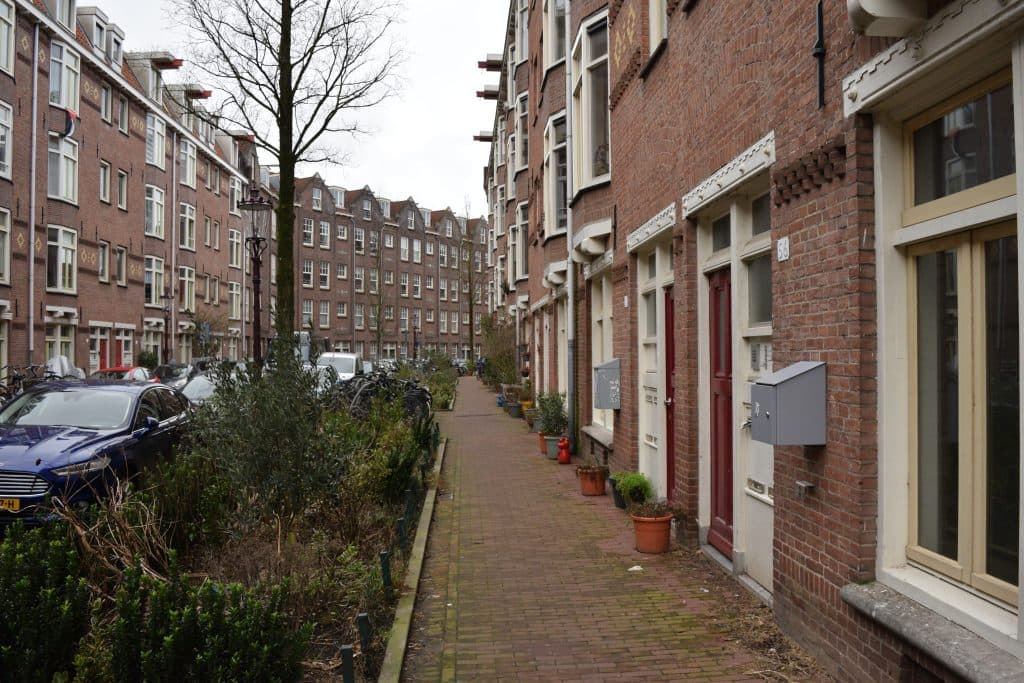
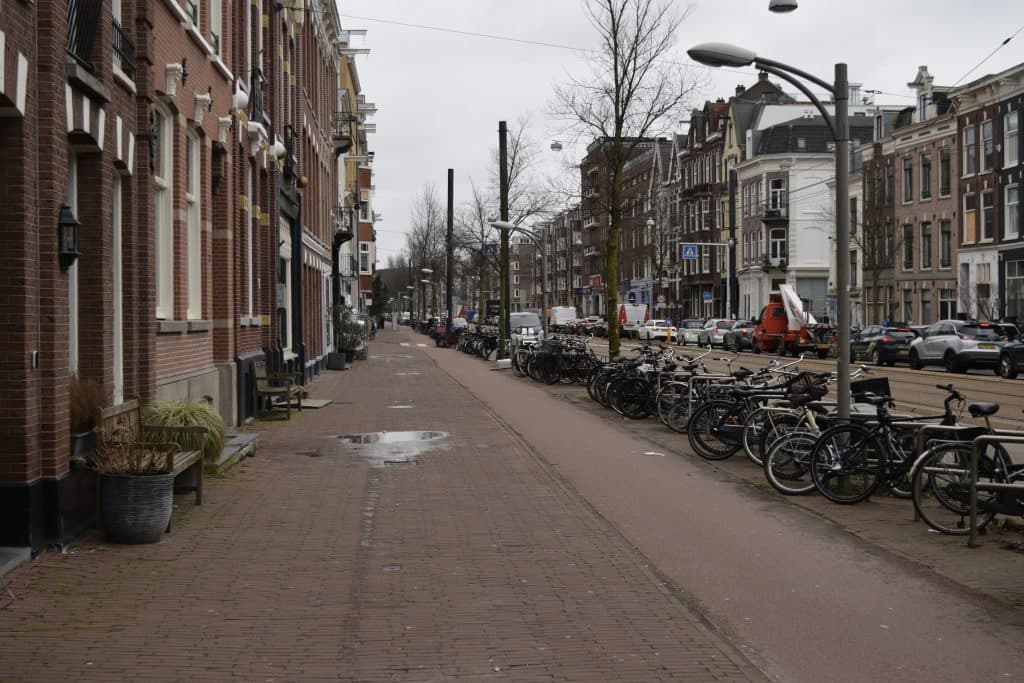
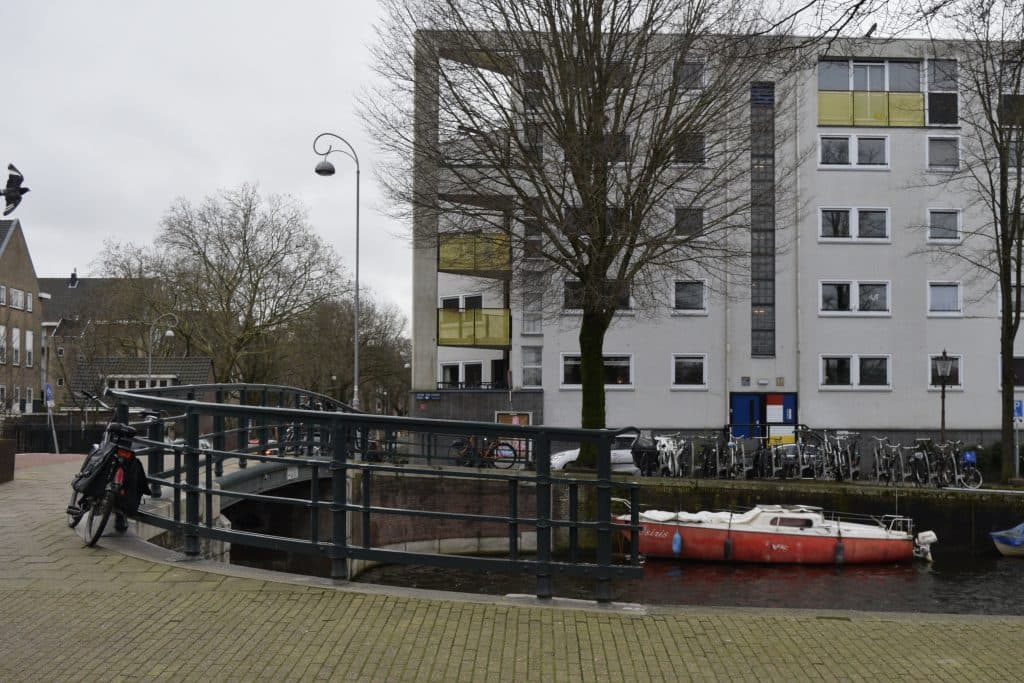
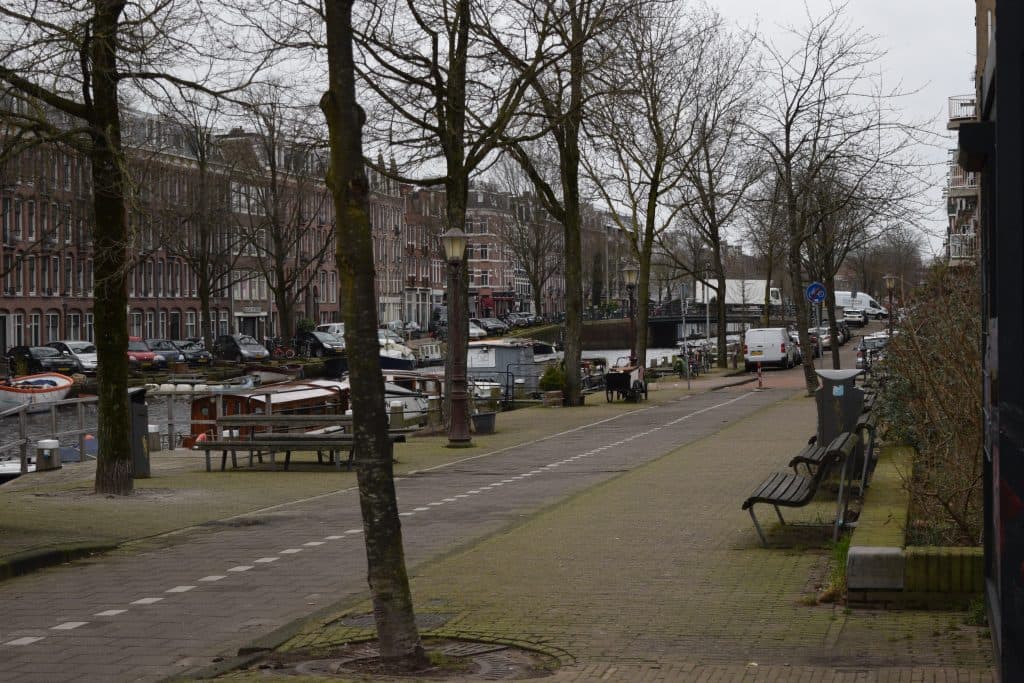
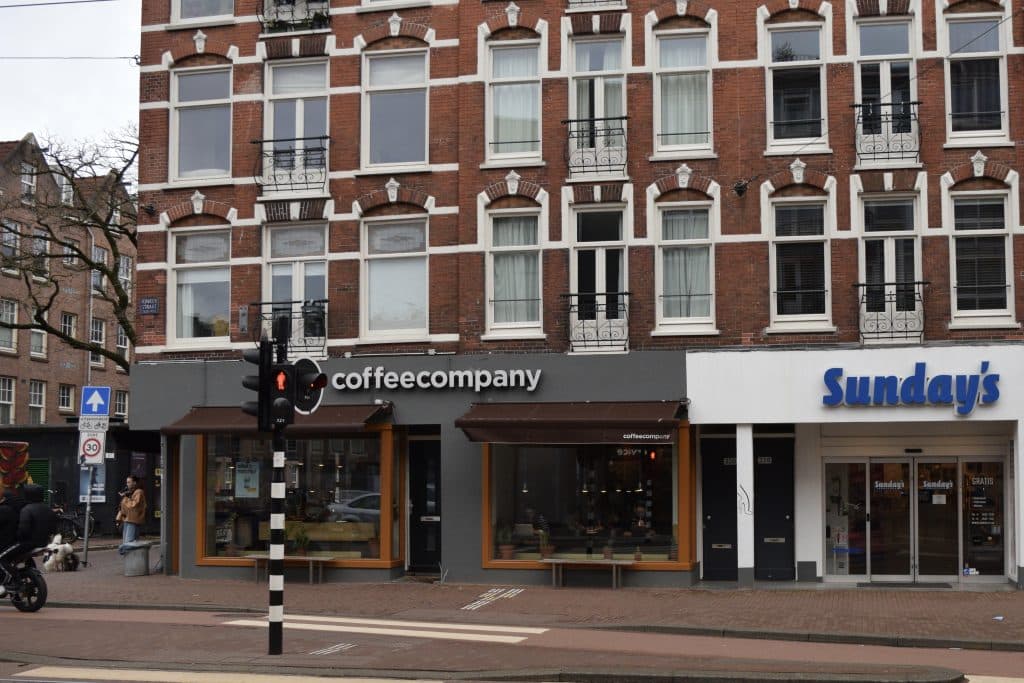
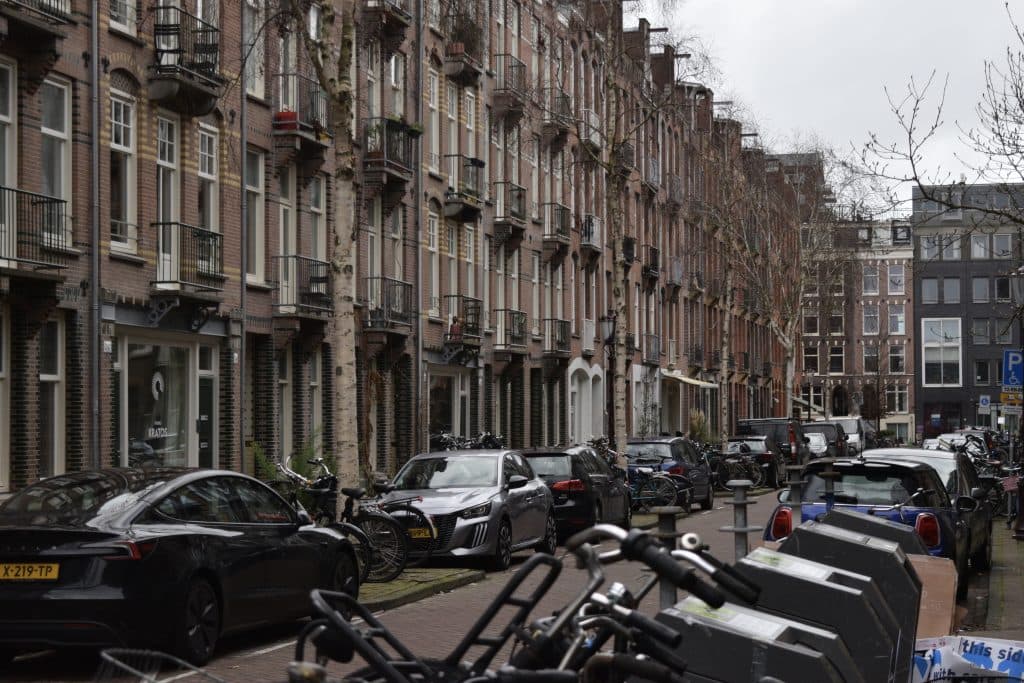
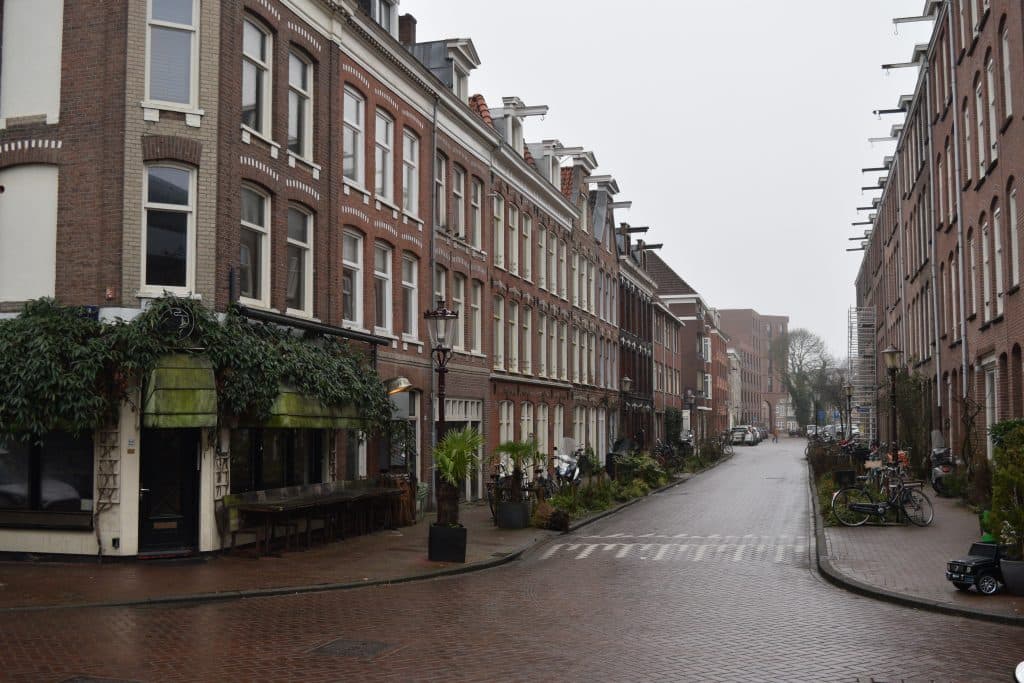
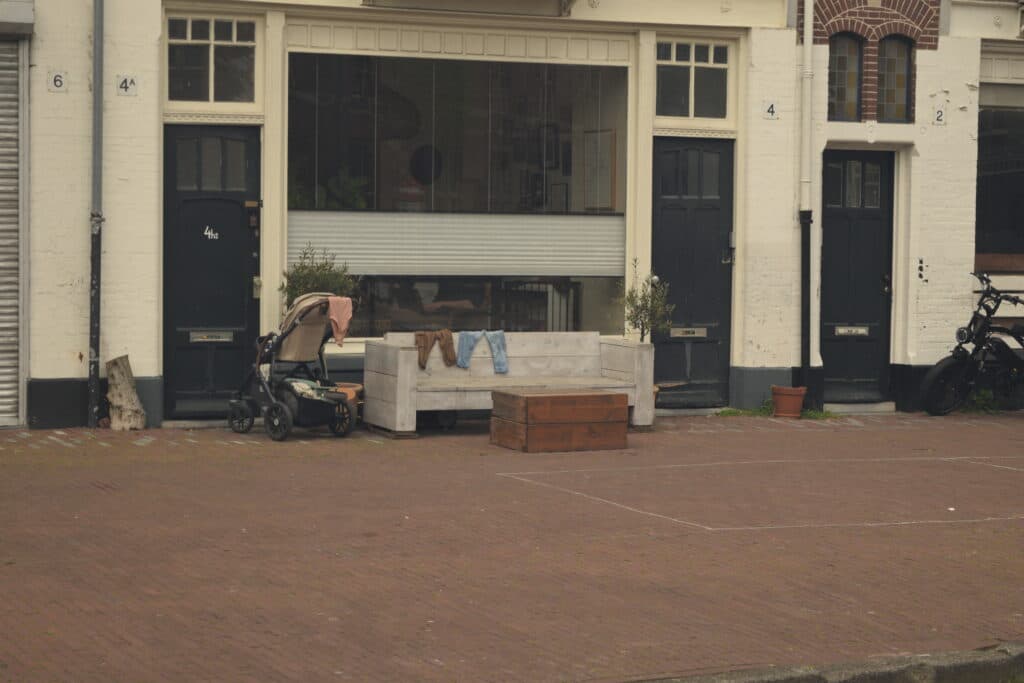
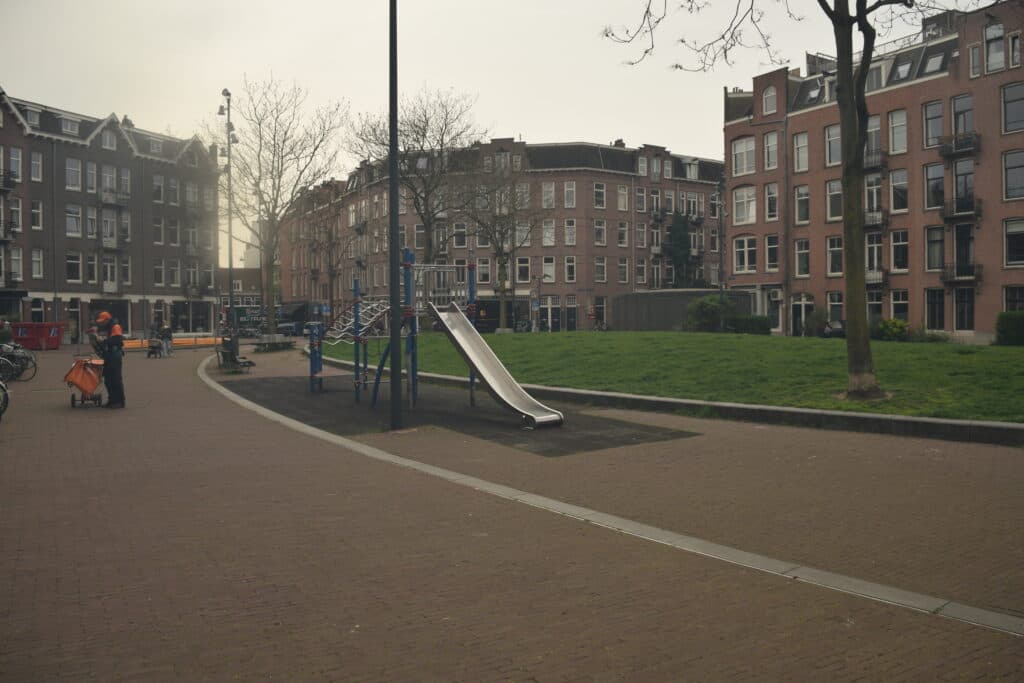
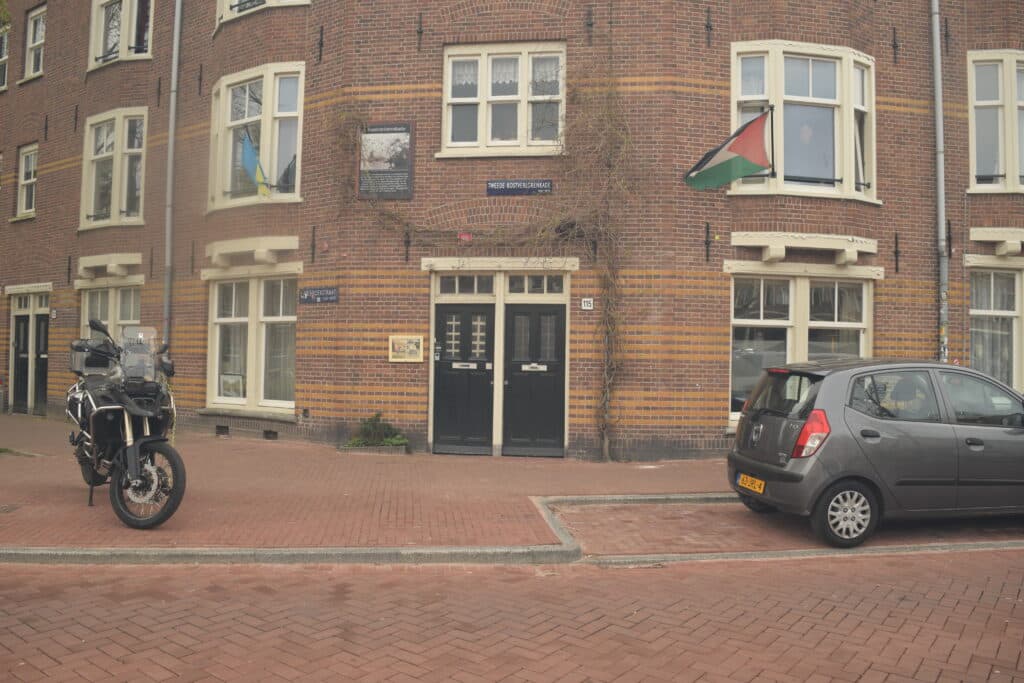
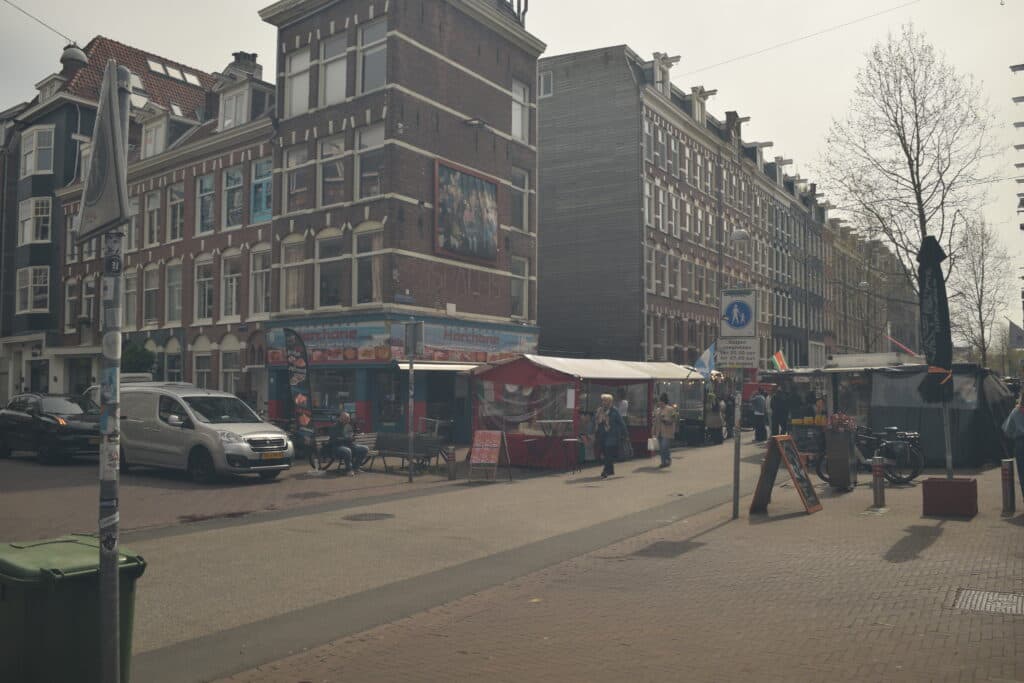
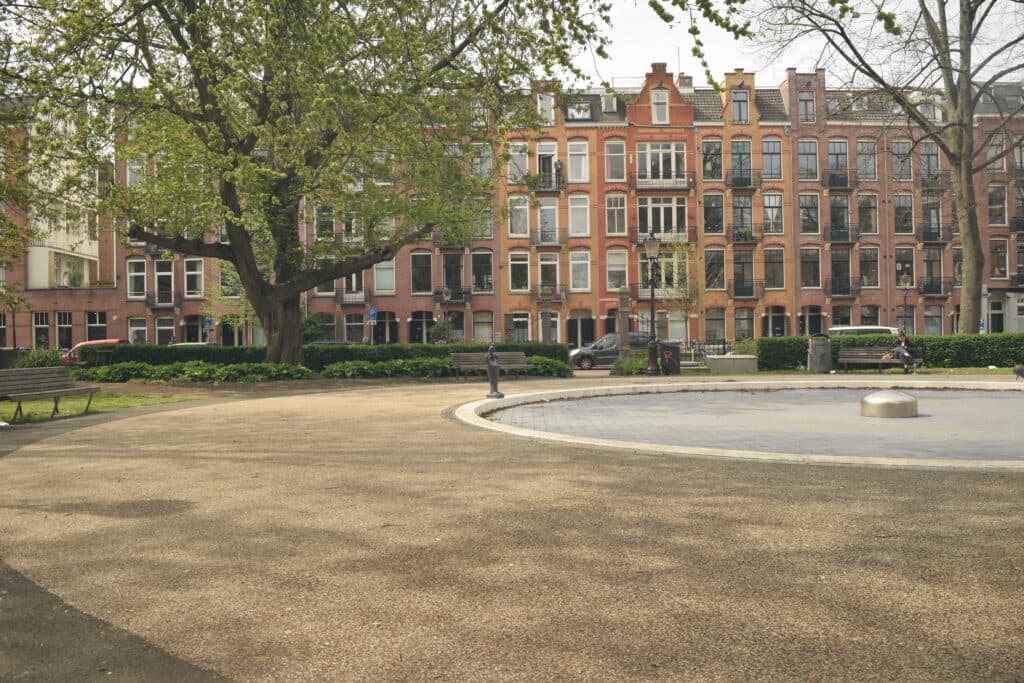
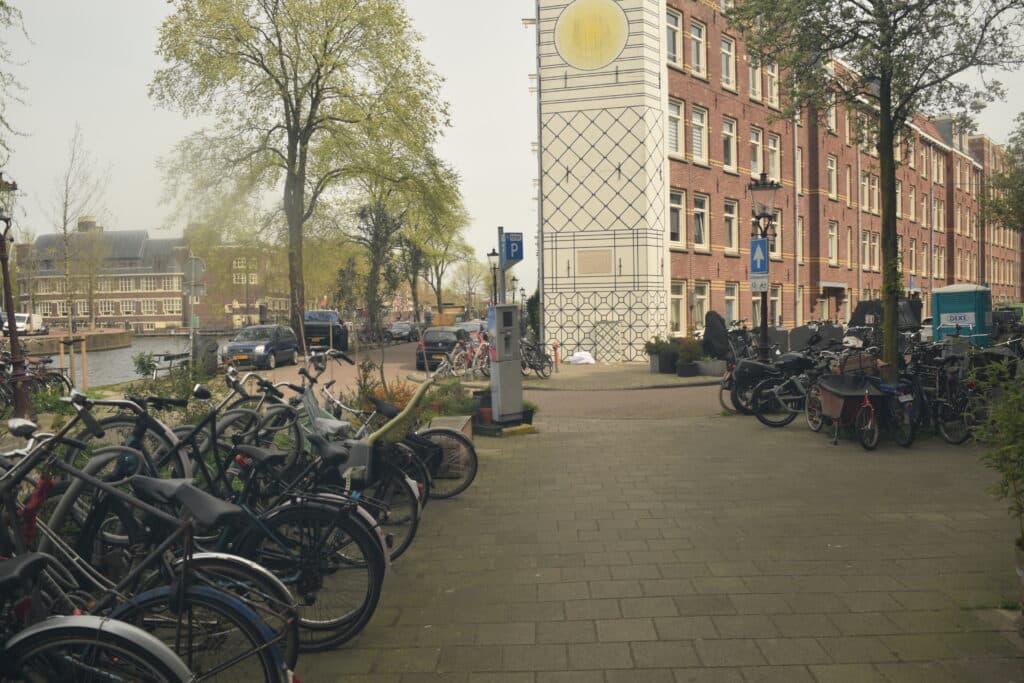
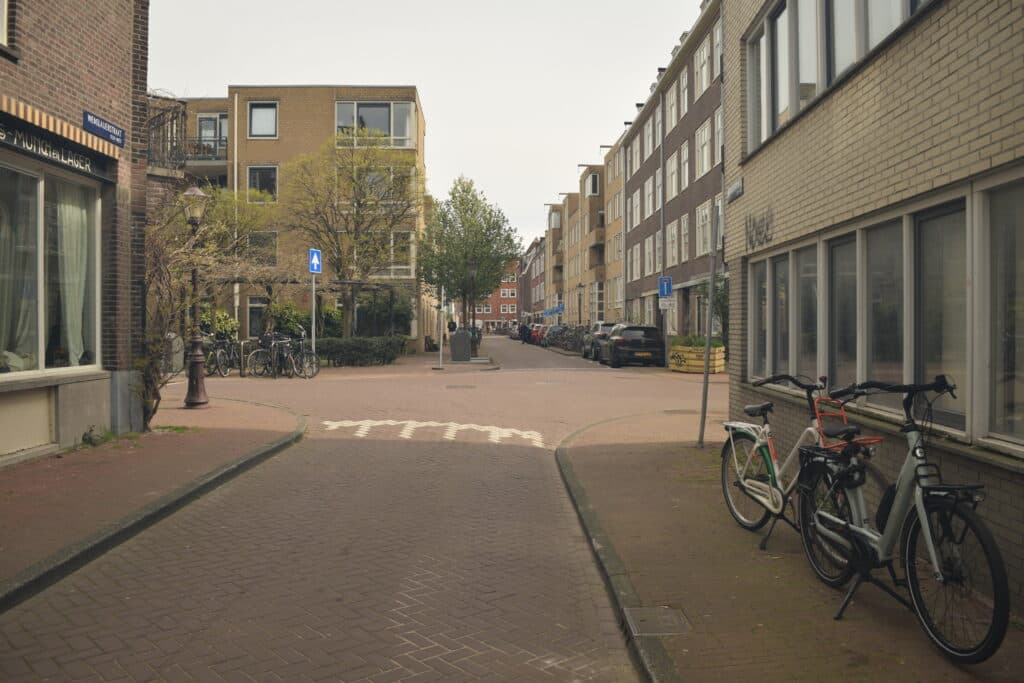
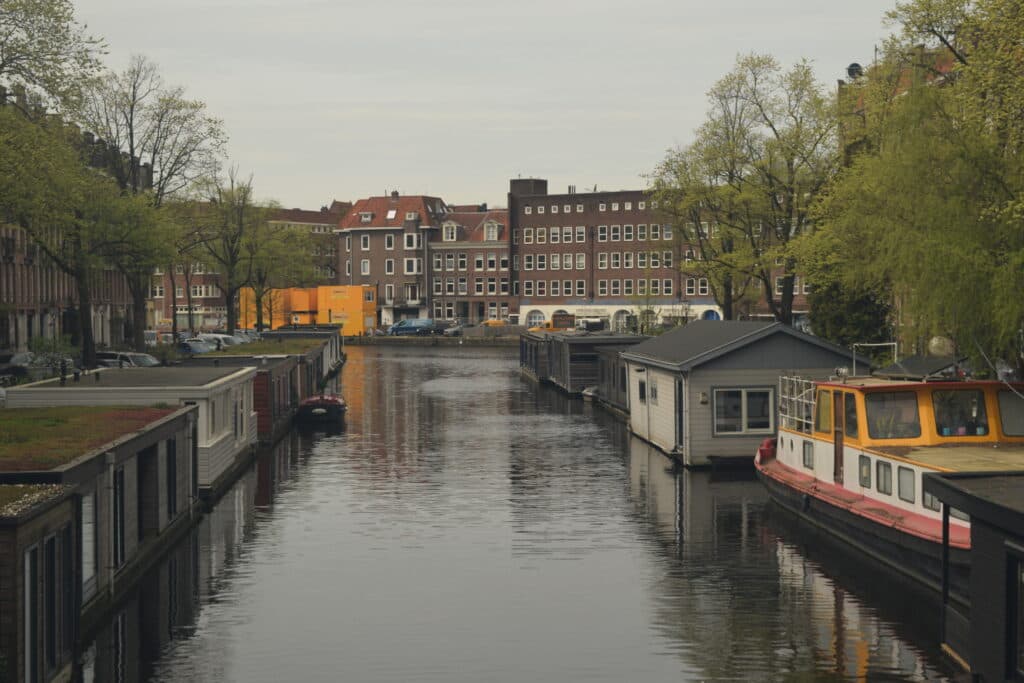
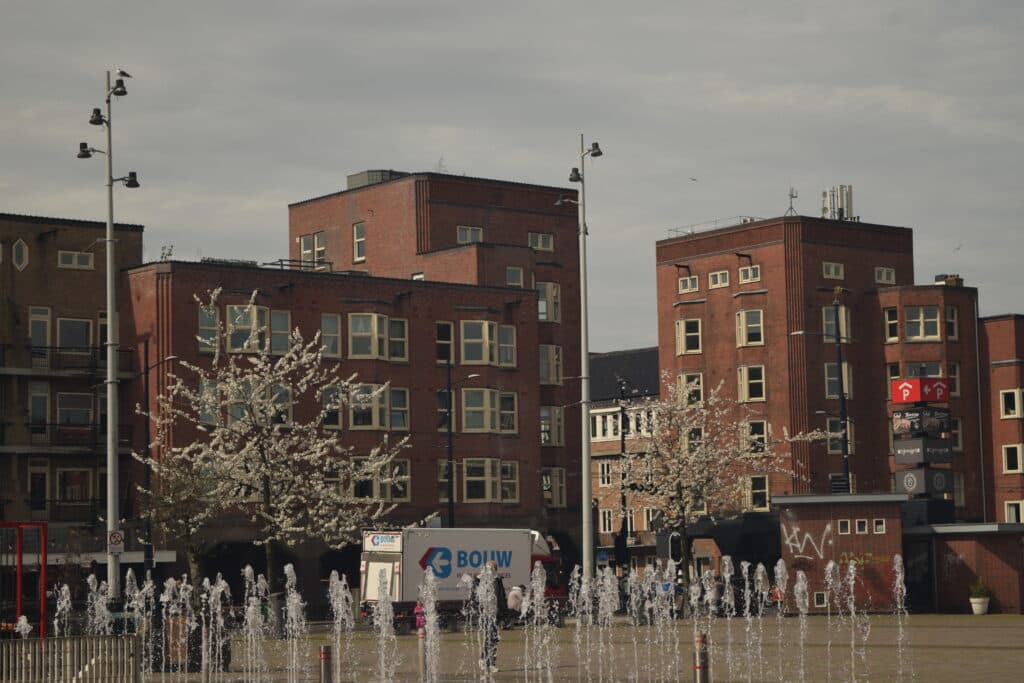
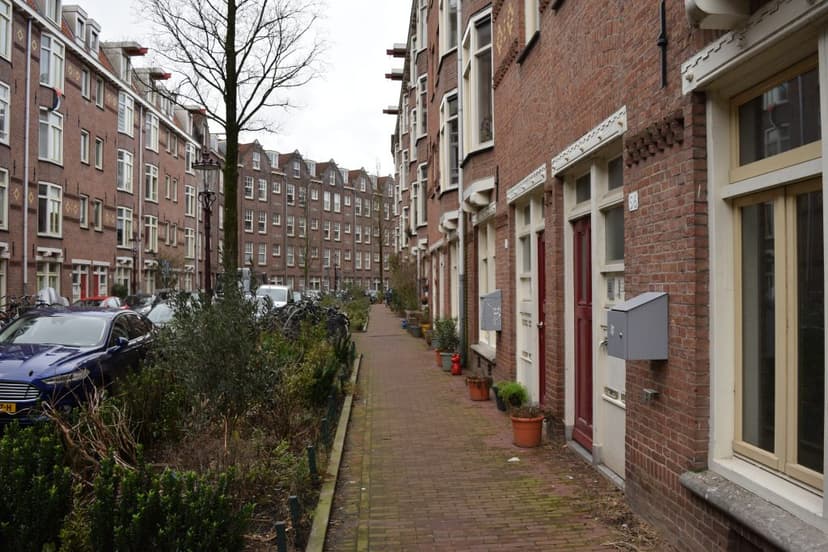
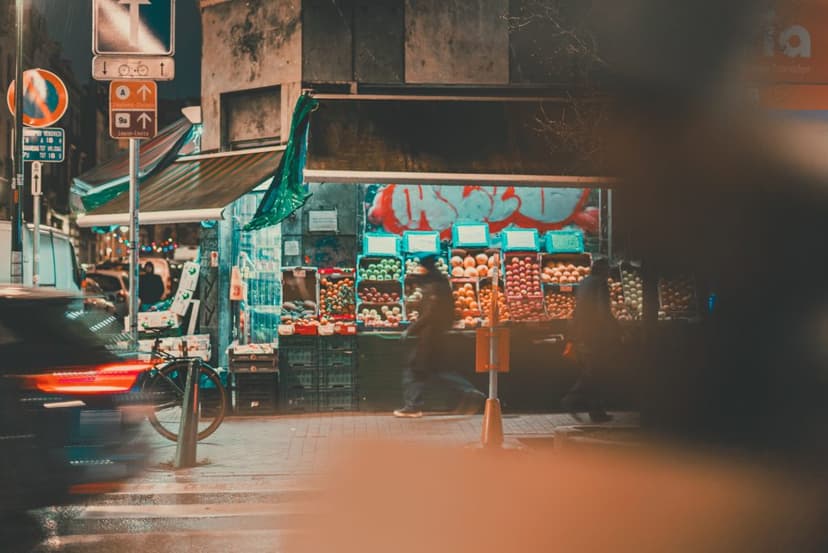
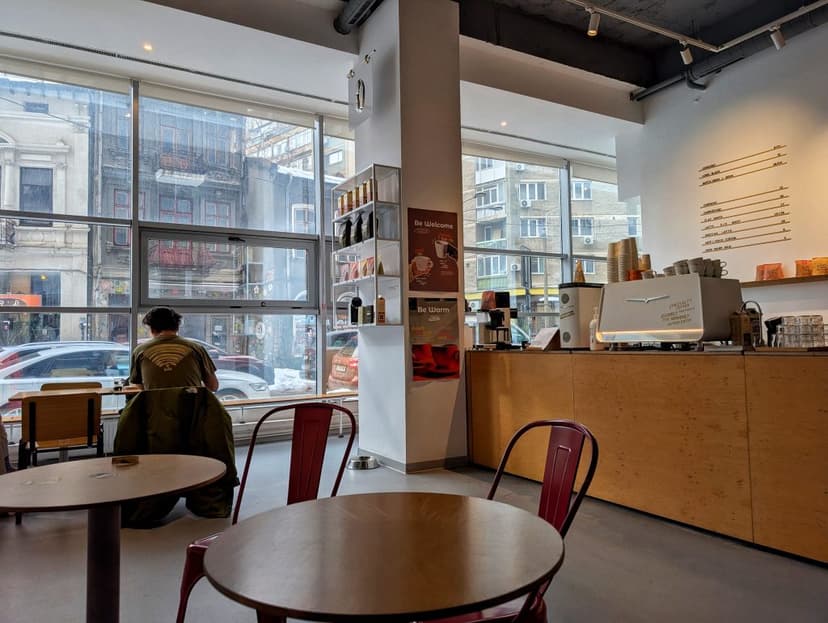
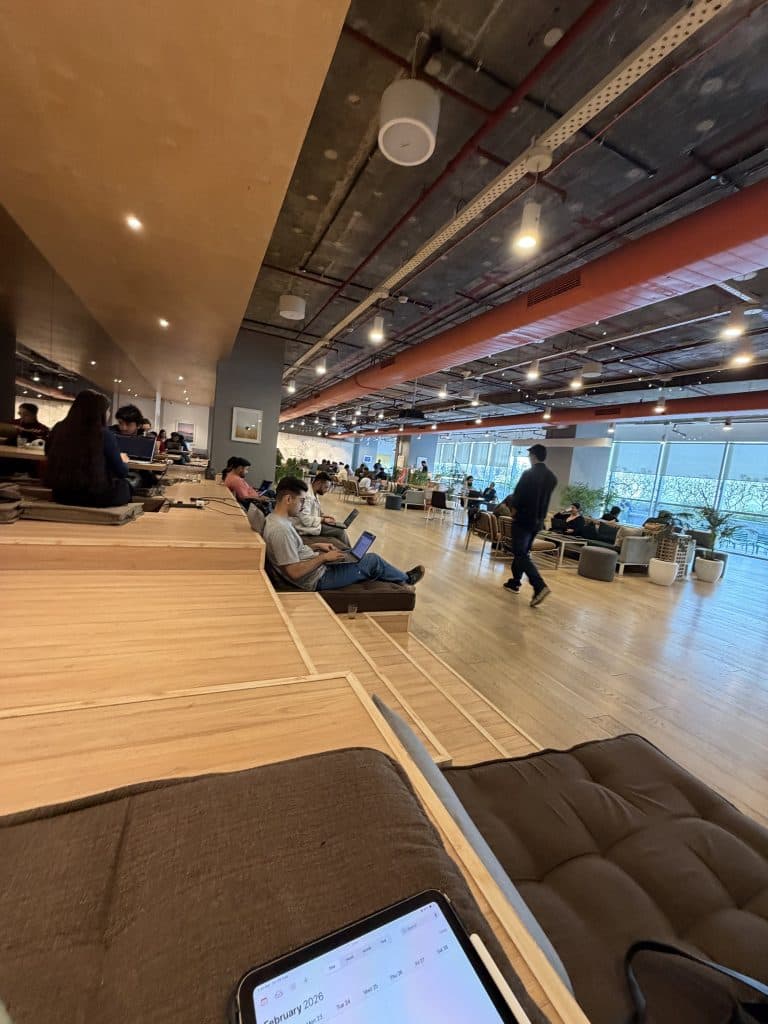
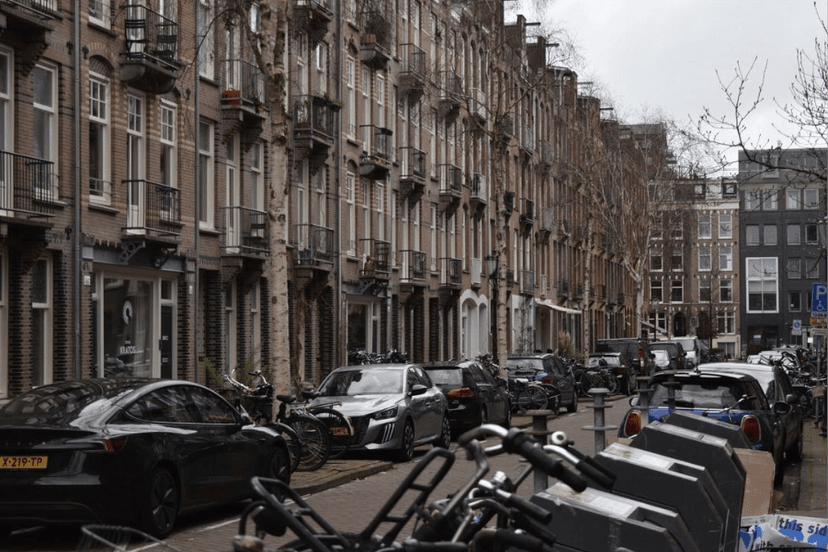
Fieldwork in Amsterdam is conducted in Oud-West/De Baarsjes, a dense and mixed residential district in the western part of Amsterdam, close to the centre. Historically, the district is shaped by late 19th- and early 20th century expansion, and the area is comprised of narrow brick housing blocks, some social housing, renovated apartments, and an increasing number of privately rented homes. There are a few busy shopping streets, numerous quieter side streets, and two large green spaces, the Erasmuspark and the Vondelpark. Oud-West/De Baarsjes is often described as socially and culturally heterogeneous; longstanding older working-class and migrant communities live alongside young professionals and families, international migrants, and students. Over the past two decades, processes of gentrification have introduced boutique shops, (speciality) coffee bars, and also a few official co-working spaces. These co-exist with older businesses and institutions, such as bakeries, grocers, cafés, and two municipal libraries. Instead of focusing on single small neighbourhood, this district was chosen to include a wider range of residents in terms of income, housing situation, and (migration) background. Furthermore, the area is still compact and walkable, and many residents continuously move between working from home, a cafe, the library, and/or a co-working space. In this way, living, working, and leisure activities all take place within this district, offering a good setting to explore how remote work shapes daily routines, social encounters, and people’s attachment to their neighbourhood.
Related Blog Posts
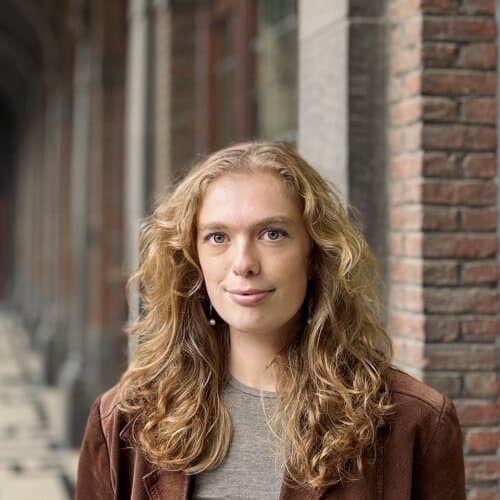
Fiona Holdinga (she/her) completed a bachelor’s and master’s degree in cultural anthropology at Utrecht University. Her research interests include the anthropology of morality and ethics, the nature/culture debate, the multispecies turn, and visual and sensory approaches. For the ReWorkChange project, she will conduct research in the Netherlands.