Mexico City
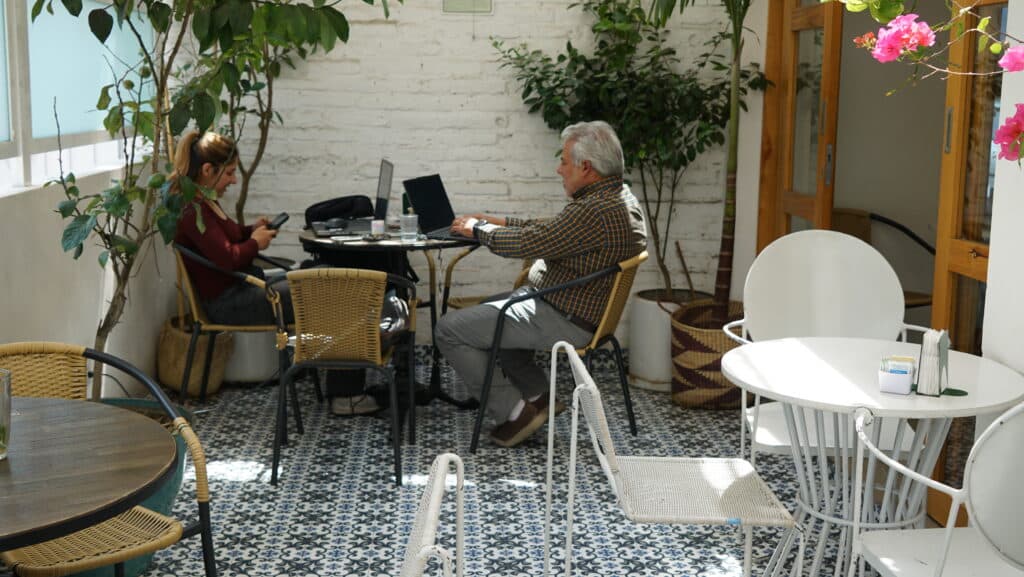
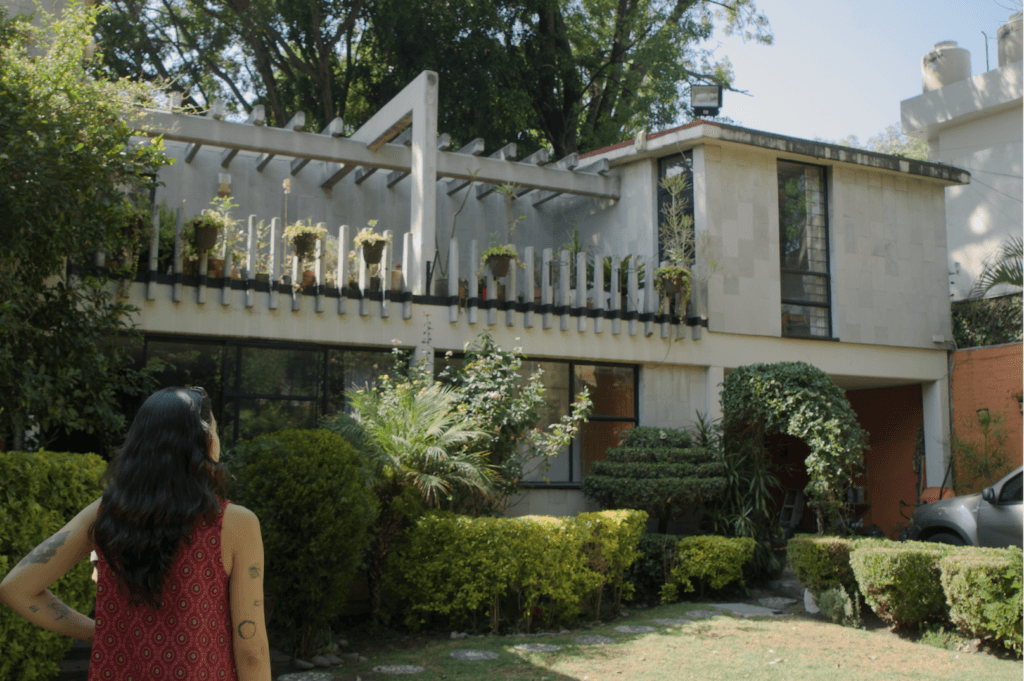
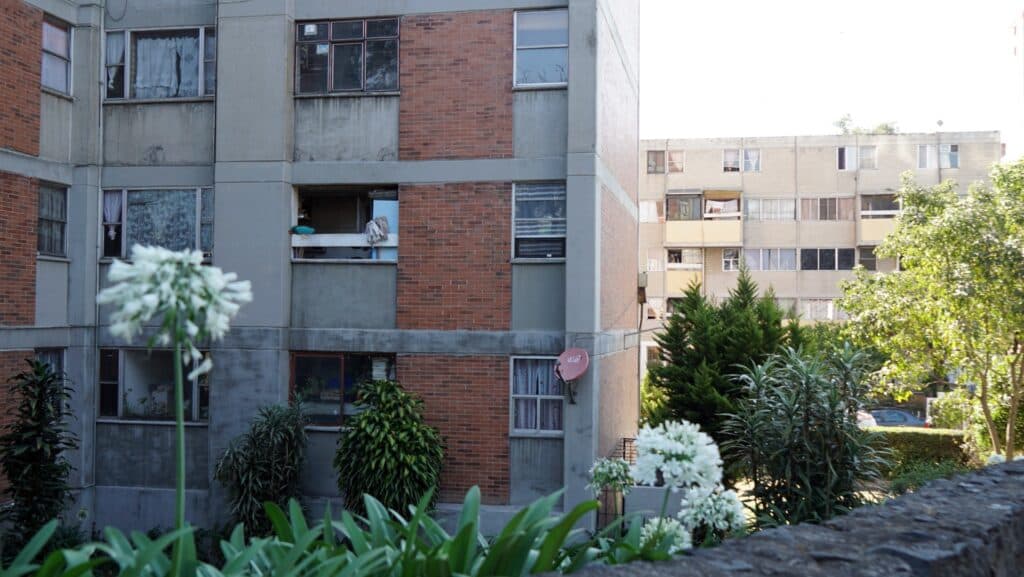
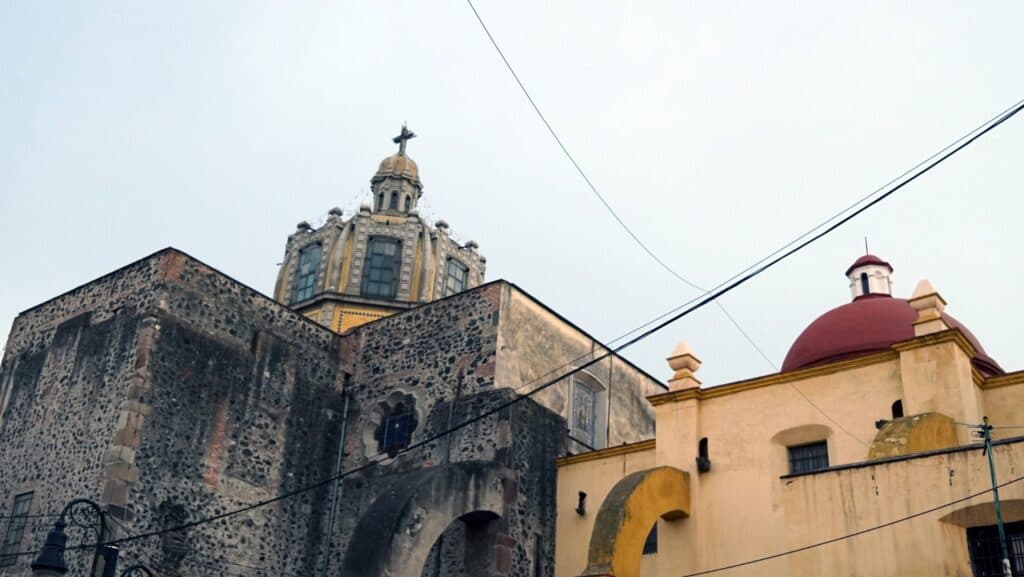
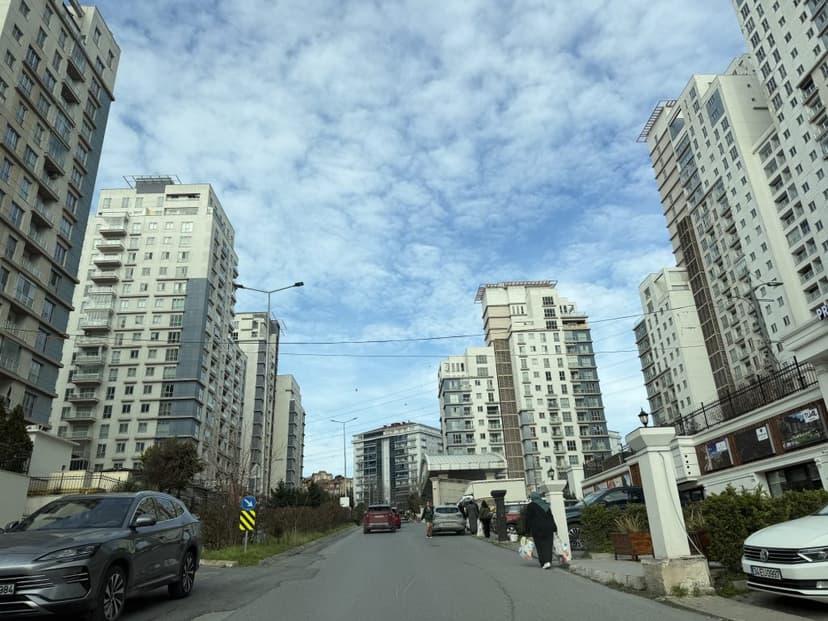
Fieldwork on remote work and social change in Mexico City is primarily conducted in the alcaldía of Coyoacán, one of the city’s oldest districts and home to more than 600,000 inhabitants. The area’s diverse living environments and labour arrangements make it a rich ethnographic field, encompassing a wide range of social and economic worlds. These differences are reflected in the neighbourhood’s spatial organisation and architecture, as well as in the contrasting forms of social rootedness and economic security that shape residents’ lives—from families with long-standing ties and inherited wealth to more recent arrivals whose presence in the neighbourhood is often less permanent or more precarious. While the historic centre of Coyoacán is characterised by colonial-era villas and vecindades (tenement courtyards), many of which have housed multiple generations of the same families, the southern parts of the alcaldía contain unidades habitacionales (apartment complexes). These house students and academic staff from the Universidad Nacional Autónoma de México, as well as migrants from other parts of the country and South America.
Fieldwork in Coyoacán is conducted in the midst of local preparations for the FIFA World Cup, during which substantial public and private investment has been directed toward the renovation of the Estadio Azteca, located within the alcaldía itself. Alongside this infrastructural redevelopment, preparations for the tournament have contributed to broader processes of urban restructuring and the displacement of street workers. These transformations unfold within a wider geopolitical context shaped by Trump-era “war on drugs” interventions in the region, which have intensified international attention on Mexico and heightened public discourse surrounding security, migration and organised crime.
In Coyoacán, these global dynamics intersect with longstanding local inequalities rooted in colonial patterns of class and spatial segregation. Rising rents and increasing living costs - exacerbated by the enormous expenditures associated with the World Cup, gentrification, and post-COVID inflation - have intensified existing socio-economic divides in the neighborhood. As the overall cost of living increases, wealthier and predominantly “whitexican” residents increasingly concentrate in the historic centre of Coyoacán and its surroundings, while lower-income residents, migrants, and more precarious communities are progressively displaced toward the southern and peripheral areas of the neighbourhood.
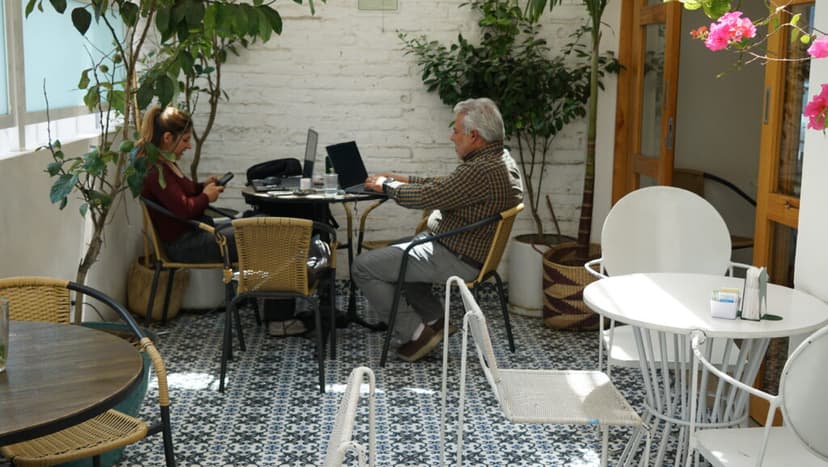
Within this context, and central to this research, the state is implementing measures encouraging citizens to work fully remotely during the months of the tournament. This “encouragement” functions not merely as a labour policy, but as a biopolitical and infrastructural technique of urban and labour governance. Through the modulation of remote work, the state redistributes bodies across space, regulates urban circulation, and reduces the visibility of political protests, which have been ongoing since the beginning of the year. These developments raise important questions about residents’ changing relation to governance, particularly with regard to the regulation of remote work, labour rights, mobility, and differential access to housing and urban space.
Related Blog Posts
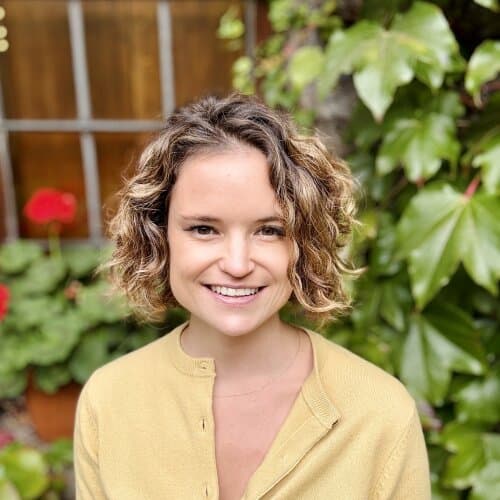
Iris Pakulla (she/her) is an anthropologist and filmmaker of Spanish, French, German and Polish heritage. She studied social anthropology in the UK and media communication studies and documentary cinema in Spain and France, respectively. She has over 10 years' professional experience in the documentary film sector. Her new research is taking place in Mexico as part of the ERC project, ReWorkChange. During her PhD at the University of Cambridge, which involved fieldwork in Mongolia, she focused on topics such as extractivism, the anthropology of labour, digital political activism, everyday politics, and female reproductive health.